How Much Is Reverse Osmosis Water System

Let’s be honest—you probably clicked this article because your tap water tastes like a melted swimming pool, or your fridge dispenser has started shooting out tiny calcium peb...
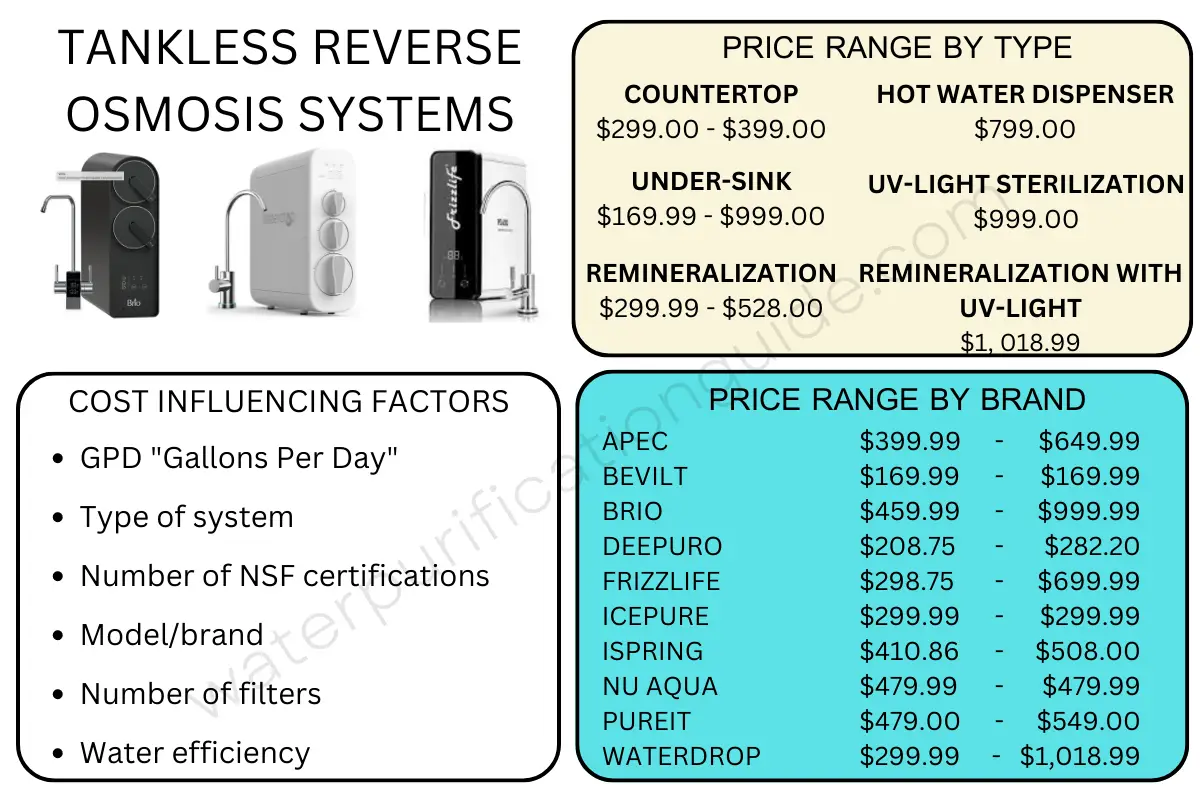
Let’s be honest—you probably clicked this article because your tap water tastes like a melted swimming pool, or your fridge dispenser has started shooting out tiny calcium pebbles. Or maybe you’re just tired of buying those giant plastic jugs at the grocery store, lugging them home like you’re in some kind of hydration boot camp. Either way, you’re wondering: how much does a reverse osmosis water system actually cost? And do you need to take out a second mortgage to get water that doesn’t smell like a municipal band-aid?
First, the big picture. A reverse osmosis system—or as I call it, the “fancy science-y faucet”—works by shoving water through a super-fine membrane that blocks everything from lead to chlorine to your ex’s bad vibes. The price tag for one of these contraptions can range from $150 for a no-frills under-sink model to $2,000 for a whole-house system that makes your water feel like it was bottled by angels in a spa. That’s a wider gap than the difference between a gas station sandwich and a steakhouse dinner.
The Under-Sink Workhorse (The “Happy Meal” Option)
If you’re just trying to make your morning coffee taste less like regret, a basic under-sink RO system is your buddy. These little guys usually run between $150 and $400, and they install right under your kitchen sink with a separate little faucet that looks like a chrome mushroom. I installed one last year, and let me tell you—the hardest part wasn’t the plumbing, it was explaining to my wife why we now had three faucets on the sink.
Must Read
You’ll also need to factor in replacement filters. Most systems have three stages, and swapping them out every six to twelve months costs about $50 to $100 a year. That’s cheaper than buying bottled water, but it’s still a recurring pain, like renewing your car registration or pretending to like your aunt’s potato salad.
The Mid-Tier “Countertop Fancy” (For People Who Can’t Drill Holes)
Not everyone owns a drill or wants to crawl under their sink and face a nest of old pasta sauce jars. Enter the countertop RO system—the “lazy genius” option. These sit on your counter, hook up to your existing faucet, and cost between $200 and $600. They look like a sleek spaceship that decided to purify your water and judge your kitchen decor.
The trade-off? They take up prime real estate on your counter. My friend Dave bought one, and now his toaster lives on the microwave to make room. It’s like playing kitchen Tetris with your appliances. But hey, the water tastes great, and you don’t have to watch a YouTube tutorial at 11 PM trying to figure out where the drain saddle goes.
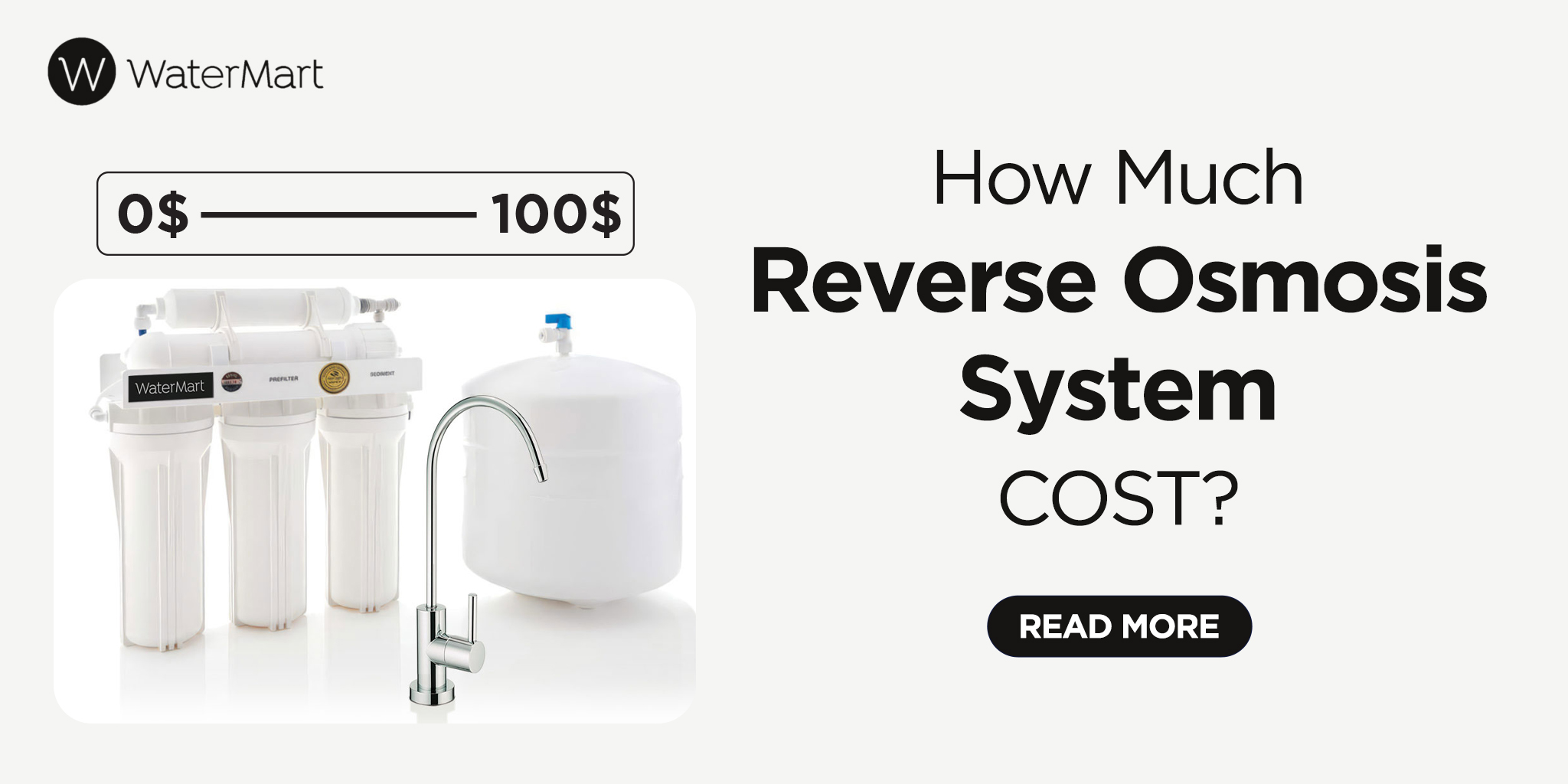 How Much Does A Reverse Osmosis System Cost? - WaterMart
The Whole-House Beast (The “I’m Taking My Water Seriously” Tier)
If you’ve ever stepped out of a shower and felt like you were covered in chalk dust, you might be staring down the barrel of a whole-house reverse osmosis system. These bad boys can cost $1,500 to $2,000 or more, plus installation. They’re big, they’re expensive, and they make your water so pure that it actually starts pulling minerals out of your pipes if you’re not careful.
This is the equivalent of buying a truck to drive to the mailbox. It’s overkill for most people, but if you live in an area with hard water that’s harder than a calculus exam, it might be worth it. Just know you’ll also need a re-mineralization filter (another $200), because apparently water that’s too clean tastes weird. Yes, you read that right—we’ve come full circle. We want pure water, but not that pure. Sheesh.
The Hidden Costs Nobody Talks About (The “Oh, Come On” Part)
Here’s where the article gets real. RO systems waste water. A lot of it. For every gallon of filtered water, most systems dump 3 to 4 gallons down the drain. So if you drink a gallon a day, you’re also flushing away a small swimming pool’s worth of water each month. On your water bill, that could add $10 to $30 extra per month, depending on your local rates.
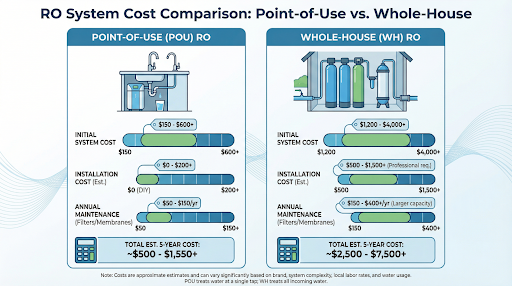 How Much Are Reverse Osmosis Systems? Pricing and Installation Guide
Also, if your water pressure is low (like if your house was built when bell-bottoms were cool), you might need a booster pump. That’s another $150 to $300. And don’t even get me started on the storage tank. It’s a big blue barrel that hides under your sink and makes you feel like you’re running a tiny water factory. It’s not ugly, but it’s not winning any design awards either.
Is It Worth It? A Highly Scientific Conclusion
So, how much is a reverse osmosis water system? $150 to $2,000, plus a lifetime supply of filter changes, a birth of water waste, and a new appreciation for the term “hidden plumbing costs.” But here’s the thing—every time you take a sip of that crisp, clean, zero-aftertaste water, you’ll feel a little smug. You’ll pour a glass for a friend and say, “Try this. It’s from a membrane.” And they’ll nod, impressed, not knowing you spent an hour wrestling with a plastic tube under your sink.
In the end, it’s like buying a good mattress. You don’t realize how much you needed it until you try it, and then you can’t go back. Just don’t forget to change the filters. Otherwise, you’re just drinking fancy tap water from a complicated expensive cup.
