How To Clean Water Dispenser From Inside

Let’s be honest: when was the last time you actually looked inside your water dispenser? I’ll wait. If you’re like me, you probably gave it a polite glance while filling your...
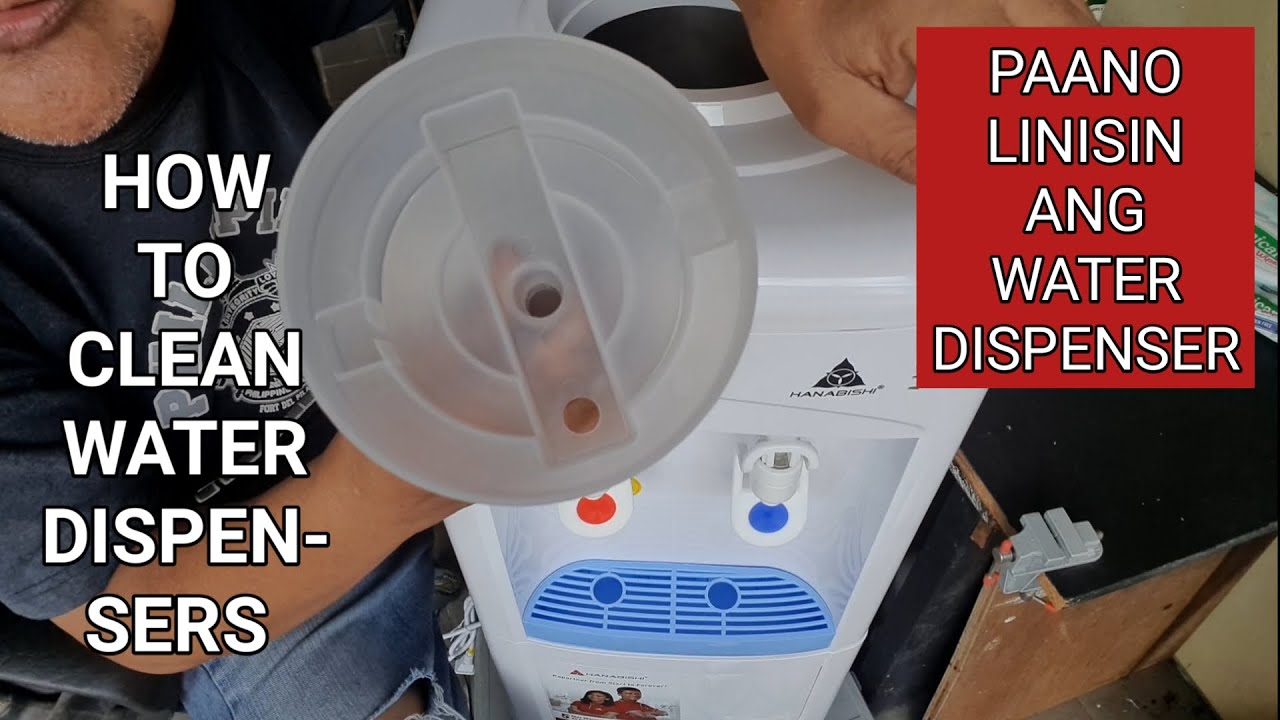
Let’s be honest: when was the last time you actually looked inside your water dispenser? I’ll wait. If you’re like me, you probably gave it a polite glance while filling your coffee mug and then immediately forgot it existed. Out of sight, out of mind, right? Wrong. That innocent-looking machine is basically a petri dish with a tap.
Think of it like your fridge’s forgotten leftovers. You know, the takeout container that’s been hiding behind the ketchup for three weeks? Your dispenser’s tank collects dust, mold, and even slime if you ignore it long enough. It’s not trying to be gross—it just happens. But when you pour a glass of water, you don’t want a side of “what’s that smell?”
The “Why Should I Care?” Moment
Here’s the thing: we rely on this thing for everything. Morning tea, midnight hydration, refilling the dog’s bowl. It’s the unsung hero of the kitchen. Yet most of us treat it like a magical fountain that never needs maintenance. Spoiler alert: it does.
Must Read
I learned this the hard way when my dispenser started tasting like old gym sock. My husband swore it was fine. I took a flashlight to the tank and found a tiny, floating island of black gunk. We both gagged. That’s when I realized: cleaning it isn’t just about looks—it’s about health.
What You’ll Need (No Fancy Tools)
You don’t need a chemistry degree or a hazmat suit. Just a few things you probably already have at home. Grab some white vinegar (the cheap stuff is fine), a soft sponge, and a clean cloth. If you want to be extra fancy, a bottle brush helps, but a dish rag works too.
Also, get ready to unplug the dispenser. I know, I know—it’s a pain. But electricity + water + you = a bad idea. Trust me, your future self will thank you for not becoming a science experiment.
Step One: Empty the Tank
First, drain all the water. Fill up your kettle, water your plants, or make that huge pitcher of iced tea you’ve been meaning to. If you have a bottom-loading dispenser, slide out the bottle and dump the reservoir into a bucket. Yes, it’s heavy. Recruit a roommate or bribe a kid with screen time.
Don’t panic if the water looks clear—slime is sneaky. It likes to hide in corners. Once it’s empty, take a peek inside with a flashlight. You might spot some orange or brown stains. That’s mineral buildup from hard water, not mold. Still gross, but less scary.
 How to clean the water dispenser — MB Green Cleaning
Step Two: The Vinegar Bath
Mix one part white vinegar to three parts warm water. Pour it right into the tank. Let it sit for about 20 minutes. This is the perfect time to scroll through your phone or argue with your spouse about what’s for dinner. The vinegar will loosen all the gunk and kill most bacteria.
While you wait, grab that sponge and scrub the inside walls. Gently, of course—you don’t want to scratch the plastic. Focus on the corners and the spigots. If you see flakes floating, that’s good; it means the vinegar is working its magic.
Step Three: Rinse Like Your Life Depends on It
Now comes the boring part: rinsing. You need to flush out every drop of vinegar, or your next cup of water will taste like pickles. Fill the tank with plain water, swish it around, and drain it. Repeat this three or four times. Patience, grasshopper.
If you’re short on time, run two gallons through the spigots. Yes, you’ll waste some water, but it beats brewing mold-scented coffee tomorrow morning. I usually sing a song during this step—it makes the rinsing feel less like a chore.
The Spigot Trick You’ll Wish You Knew Sooner
That little spigot where the water comes out? It’s a hidden slime factory. Dip a cotton swab in vinegar and scrub inside the spout. Then run a few cups of fresh water through it. You’ll be shocked at what comes out—it’s like unclogging a tiny, disgusting drain.
 How To Clean Kenmore Elite Refrigerator Water Dispenser?
For hot water dispensers, do the same, but let the water cool first. Never stick your hand near a hot spigot—I did it once, and I’m still recovering from that yelp of pain. Not my finest moment.
How Often Should You Do This?
Every three months is the sweet spot. If your home has hard water or you use the dispenser like a public fountain (hello, thirsty teenagers), bump it up to every two months. Mark it on your calendar or set a phone reminder. Future you will high-five past you.
And don’t forget the air filter! Some models have a little charcoal filter near the drip tray. Rinse it monthly. It’s not rocket science, just a tiny bit of care that makes a huge difference in taste.
The “I Did It!” Payoff
After you finish, fill a glass with ice-cold water. Take a sip. Notice how it tastes like nothing? That’s the ideal. Clean water shouldn’t have a flavor. It’s the satisfying silence after a good cleaning—no aftertaste, no worries.
You’ll also feel a weird sense of pride. “I cleaned my water dispenser,” you’ll announce to anyone who’ll listen. Your partner will roll their eyes, but secretly they’ll appreciate not drinking algae tea. And hey, you just saved yourself a trip to urgent care. Not bad for 30 minutes, right?
So go ahead—peek inside that tank. Embrace the grime, then conquer it. Your water (and your taste buds) will thank you. And if you need me, I’ll be here, sipping my gloriously clean water and pretending I’m a hydration hero.
