How To Drink Water Without Microplastics

So the other day, I’m filling up my fancy glass water bottle—the one I bought specifically to save the planet, you know?—and I catch a glimpse of tiny, shimmering specks float...

So the other day, I’m filling up my fancy glass water bottle—the one I bought specifically to save the planet, you know?—and I catch a glimpse of tiny, shimmering specks floating in the tap water. At first, I thought it was just light playing tricks. Then I remembered the study I’d been avoiding: “Microplastics in drinking water.” I almost screamed into the sink. (You’ve been there, right? That moment when you realize your “healthy” habit might be a silent, plastic-y betrayal.)
Here’s the unfiltered truth: We are essentially eating a credit card’s worth of plastic every week. And a huge chunk of that? It comes from our water. But before you throw up your hands and move to a remote mountain spring—wait. You can actually dodge a lot of this stuff without going full survivalist. It’s just about outsmarting the system.
The Big, Hairy Problem
Microplastics are those tiny bits of plastic—smaller than a sesame seed—that come from everything: synthetic clothes, car tires, broken-down water bottles. They’re everywhere. And I mean everywhere. In the rain. In the Arctic snow. In your morning glass of tap or bottled water. (Gross, I know. I’m sorry.)
Must Read
The problem? These little buggers can carry harmful chemicals, and their long-term health effects are still being studied. Nobody’s panicking yet, but nobody’s exactly optimistic either. So, what do we do? We start by choosing the right source—and the right container.
Step One: Ditch the Plastic Bottles (Duh)
This might sting, because plastic bottles are so convenient. But here’s the kicker: Bottled water often contains more microplastics than tap water. A 2018 study found that 93% of bottled water samples showed signs of plastic contamination. So that “pure glacial water” you’re buying? It’s just a fancy, expensive soup of plastic dust. Ouch.
Switch to a stainless steel or glass bottle. It’s heavier, yes, and you’ll look slightly more serious about life. But you’ll also stop the biggest source of microplastics: the bottle itself shedding particles into your drink. Bonus: no weird “plasticky” taste on a hot day.
Step Two: Filter the Tap Like You Mean It
Tap water isn’t perfect either, but it’s your best starting point. The key is removing the plastics before they reach your glass. Not all filters are created equal, though. A standard fridge or pitcher filter (like Brita) is great for taste, but it won’t catch most microplastics. You need a filter with reverse osmosis or activated carbon + microfiltration.
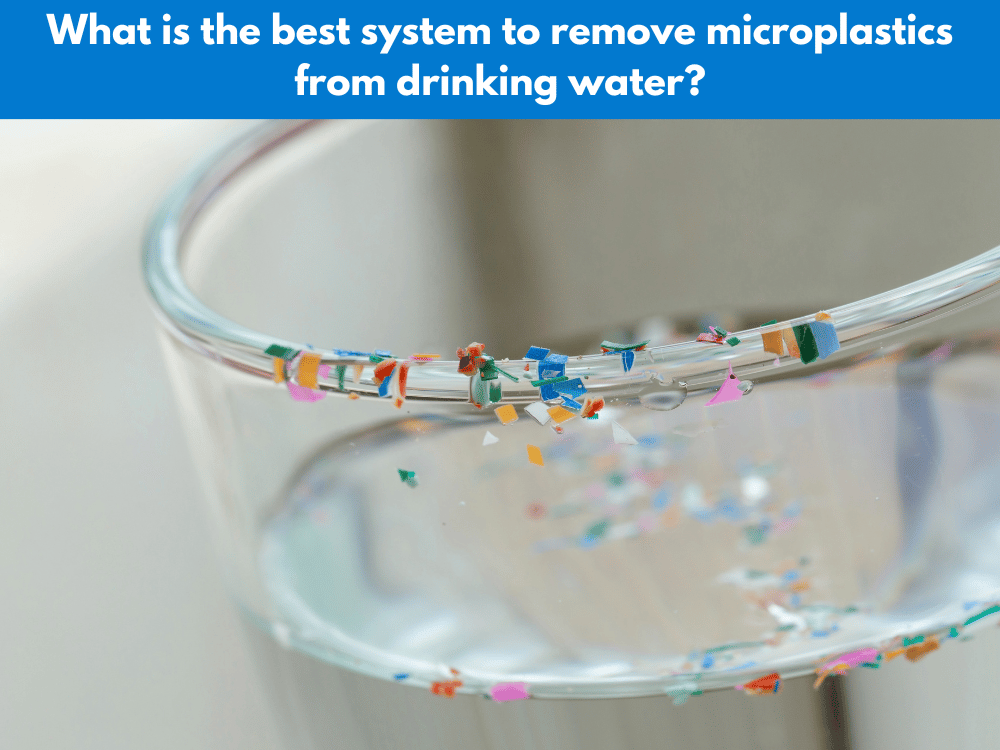 What is the best system to remove microplastics from drinking water?
Look for filters that say “0.5 micron” or smaller. That’s the magic number for catching the tiny stuff. (And yes, you can get ones that attach to your faucet for under $50. I’m not asking you to install a spaceship system.) Pro tip: Change the filter on schedule—don’t be that person running a filter that’s six months expired. That’s just dirty water with extra steps.
Step Three: Boil It? Well, Sort Of.
You might have heard that boiling water removes microplastics. There’s some truth to this, but it’s not a silver bullet. Boiling can cause some plastics to clump together and settle (thanks to the calcium in hard water), but it won’t magically vaporize them. If you’re desperate and have hard water, boil it, let it cool, and then pour off the top layer—the heavy stuff sinks. But honestly? A good filter is way more reliable.
Oh, and if you’re using a plastic kettle? Stop. Boiling water in plastic is like making tea in a garbage bag. Get a stainless steel or glass kettle.
Step Four: Avoid the “Hidden” Sources
Here’s where things get ironic. You know that reusable plastic straw you bought to save turtles? It might be shedding microplastics into your water. Same with plastic cutting boards, plastic food containers, and—brace yourself—plastic water filters that are old or cheaply made. (Yeah, the irony is thick enough to choke on.)
 Microplastics in Drinking Water: What Experts Say You Should Know
Check your gear. Is your water filter housing plastic? That’s fine, but replace the cartridge regularly. Do you use a plastic cup for your water? Switch to glass or ceramic. It’s all about reducing contact between your water and anything that says “#7” or “Polycarbonate.”
The “Don’t Panic” Strategy
Look, you’re never going to achieve zero microplastics. They’re in the air we breathe, the food we eat. It’s a systemic problem, not a personal failure. But you can drop your intake by a huge margin—like 80%—just by making these small swaps.
And here’s a weird comfort: Your body is pretty good at dealing with foreign particles. Most microplastics just pass through. The real danger is long-term accumulation and chemical leaching. So don’t obsess. Just be smart.
A Final, Slightly Weird Hack
Let your tap water sit in a glass pitcher for an hour before drinking. Studies suggest that microplastics can settle to the bottom if given time. Pour the top portion carefully into your glass, leaving the last inch behind. Is it 100% effective? Nope. But it’s free, you’ve got nothing to lose, and it makes you feel like a water sommelier.
So, next time you fill that glass bottle, don’t squint at the light expecting a horror show. You’ve got this. Filter smarter, ditch plastic, and boil only when necessary. Your body—and probably your taste buds—will thank you. Now go hydrate. Plastic-free.
