How To Add Salt To Water Softener System

Look, I know you didn't wake up this morning thinking, "Today, I will become a salt-pouring savant for my water softener." But here we are. You're staring at a big plastic tan...

Look, I know you didn't wake up this morning thinking, "Today, I will become a salt-pouring savant for my water softener." But here we are. You're staring at a big plastic tank that looks like a robot's water cooler, and somewhere deep in your plumbing, hard minerals are plotting against your dishes. Don't panic. Adding salt is almost as easy as making toast, minus the risk of burning your house down.
First, a shocking truth: you can't use table salt. That fancy pink Himalayan stuff? The water softener will laugh at it. You need solar salt or evaporated salt pellets—the kind that looks like tiny ice cubes for giants. Table salt has iodine and anti-caking agents that will turn your softener into a sticky, sad mess. Think of it as feeding your appliance junk food versus a balanced diet.
The "Do I Even Need Salt?" Panic Moment
Before you do anything, check the salt level. Pop off the lid of the brine tank (that's the big plastic bin next to your softener). If you see water but no salt, you've got a problem. If you see a mountain of salt that looks like a snowy peak in your basement, congratulations—you just wasted a few seconds of your life reading this.
Must Read
Here's the weird part: your water softener is basically a lazy magician. It uses salt to create a magical brine solution that rinses minerals off a special resin. Without enough salt, the resin gets exhausted and your water turns into a chalky nightmare. Your dishes will look cloudy, your skin will feel like sandpaper, and your coffee will taste like regret.
Where Do You Even Buy This Stuff?
You can find water softener salt at most hardware stores, big-box retailers, or your local grocery store's "we get it, your water is terrible" aisle. A 40-pound bag costs about what you'd spend on two mediocre lattes. Yes, you have to lift it. No, your back will not forgive you if you try to carry it like a baby. Use your legs, not your ego.
Fun fact: A single bag of salt can treat up to 12,000 gallons of hard water. That's roughly the same volume as a small swimming pool filled with the tears of people who own limescale-covered faucets.
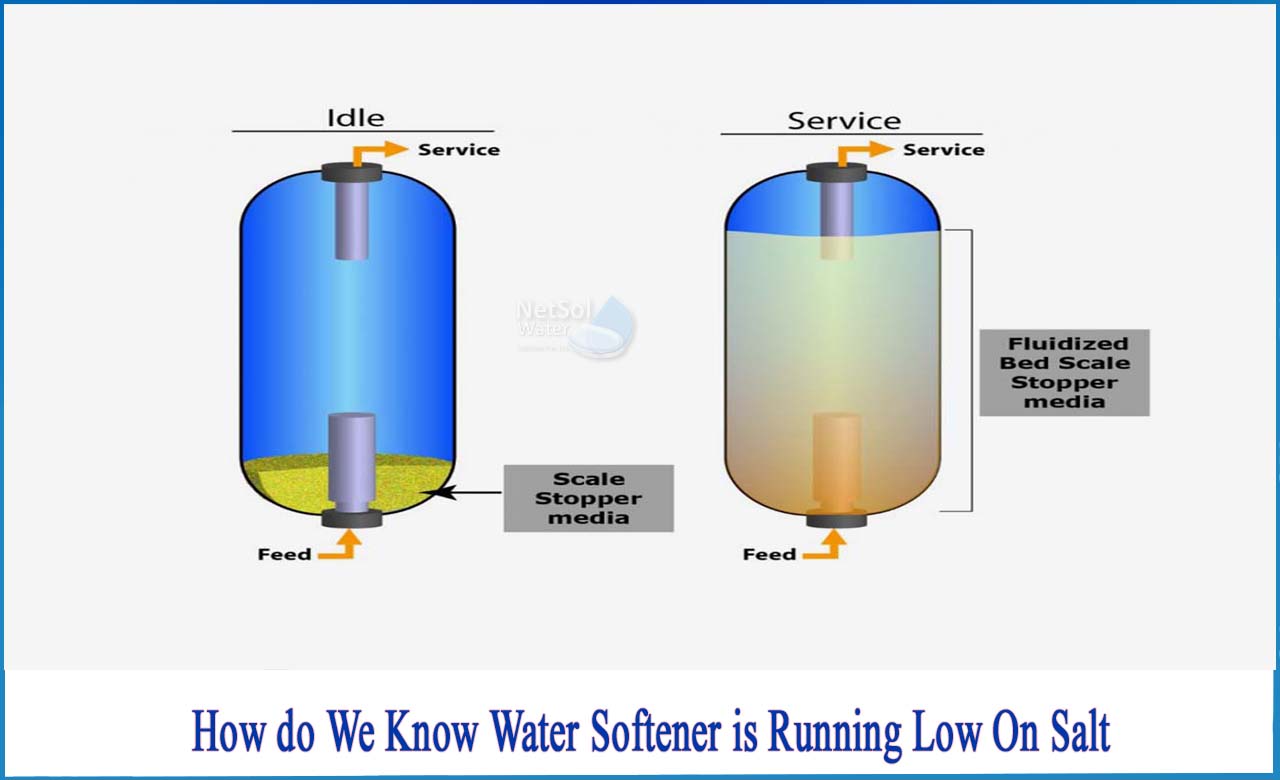 How Much Salt Should I Put In A Water Softener at Regena Rudolph blog
The Actual "How-To" That You Came For
Alright, here's the play-by-play. Turn off the water supply to the softener (usually a valve behind the unit). This is like putting your appliance in "please don't flood my house" mode. Next, find the brine tank lid and pop it off. If you see a solid crust of salt on top, gently break it up with a broom handle or a wooden spoon. This crust is called "salt bridging," and it's the enemy of good water. Don't smash it like you're in a rage room; just a gentle poke.
Now, the main event. Grab the bag of salt, curse the manufacturer for making the opening too small, and pour the pellets directly into the tank. Fill it until the salt level is about halfway to two-thirds full. Never fill it to the brim—that's like stuffing a turkey until it explodes, but with more water damage.
The "But Why Not Full?" Question
Great question, imaginary reader! If you overfill, the salt can "mush" into a solid block that refuses to dissolve. Your softener then runs a dry, sad regeneration cycle and your water becomes hard again. You'll end up with a tank full of salty concrete and a profound sense of regret. Also, never, ever use rock salt meant for melting ice on driveways. That stuff has gravel and dirt in it. You're not seasoning your driveway; you're seasoning your water.
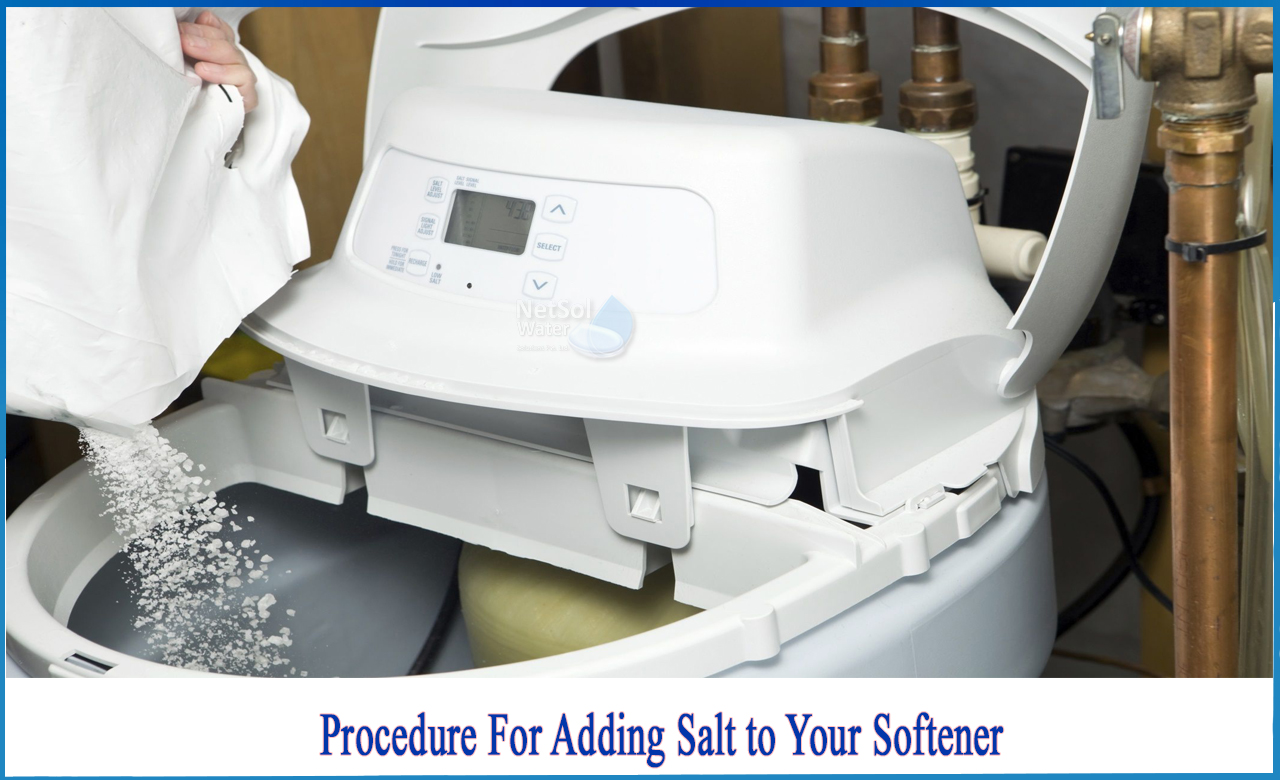 How to add salt to the water softener
The Aftermath & The Future
Replace the lid. Turn the water supply back on. Your softener will do its own regeneration cycle in the middle of the night, making a noise like a gargling dinosaur. That's normal. It's just the brine solution flushing through the system, scrubbing away mineral buildup like a tiny, salty janitor.
Check the salt level every month. A good rule of thumb: if you can see the bottom of the tank, it's time to add more. If you have a family of four, you'll go through a bag every four to six weeks. If you live alone and shower once a week (no judgment), a bag might last you through a Netflix binge-watching apocalypse.
One Last Surprising Fact
Here's the truth bomb: you don't actually drink softened water in most cases. Many systems bypass the kitchen sink, so the water you drink is still hard. The softened water goes to your shower, washing machine, and dishwasher. That means your salt-addiction is really about saving your appliances, not your taste buds. But hey, your water heater will last longer, your clothes will smell less like a wet cave, and your glass shower doors won't look like a crime scene of calcium stains. Isn't that worth carrying a 40-pound bag of salt once a month?
So go forth, you glorious home-maintenance warrior. Add that salt. Laugh at your neighbors with cloudy dishes. And remember: you're not just a person; you're a water softener salt whisperer. That's a real thing. I just made it up, but it's true now.
