How To Set Water Softener Hardness Level

So, your water softener is sitting there like a tiny, obedient robot. It’s ready to fight the good fight against hard water. But there’s one thing you absolutely must do: set...
So, your water softener is sitting there like a tiny, obedient robot. It’s ready to fight the good fight against hard water. But there’s one thing you absolutely must do: set the hardness level. Get this wrong, and your robot turns into a lazy couch potato. Or a crazy over-worker that wastes salt like a teenager with a credit card.
Let’s talk about hard water. It’s not actually tough or brave. It’s just water that’s been on a date with too many rocks—specifically, calcium and magnesium. These minerals leave crusty white deposits on your faucets. They ruin your coffee maker. They make your soap give up and form that annoying scum ring in the tub.
Your softener’s job is to swap those rock minerals for nice, soft sodium. But it needs to know how much rock you have. That’s where the hardness number comes in. It’s like telling your robot, “Hey, the enemy is this strong, so here’s the battle plan.”
Must Read
The Magic Number Hunt
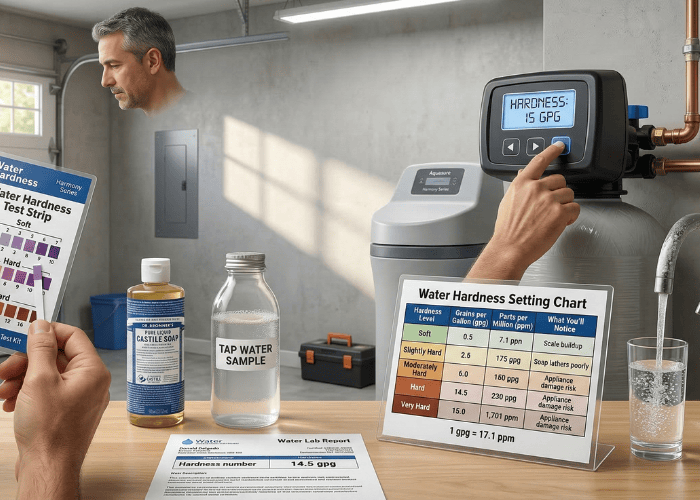
First, you need to know your water’s hardness. Don’t guess. Guessing is for picking lottery numbers, not for your plumbing. You can buy a simple test strip at any hardware store. Dip it in a glass of tap water, wait a few seconds, and boom—it changes color like a mood ring.
Here’s a quirky fact: Most test strips measure in grains per gallon (GPG). Why “grains”? Because ancient Romans used barley seeds as weights. Seriously. You’re using barley-seed logic to fix your shower. That’s fun to say at dinner parties.
If your water comes from a city supply, you might find the hardness online. Many cities post it like a shameful secret. Check your water bill or the city website. If you have a private well, you get to play detective with your test kit.
Don’t Forget the Iron
Here’s where it gets sneaky. Iron in your water acts like a bully. It adds to the hardness, making your softener work harder. If you have iron, you need to add it to the hardness number. The rule? For every 1 part per million (PPM) of iron, add 4 grains to your hardness level.
Example: Your test says 10 GPG hardness, plus 2 PPM of iron. Do the math: 2 x 4 = 8. So your new setting is 10 + 8 = 18 GPG. It’s like giving your robot a heads-up about a hidden trap. Clever, right?
 How To Set Water Softener Hardness Level (Here's a Good Number) - Aqua
If you skip the iron adjustment, your softener gets confused. It regenerates too often or not enough. Your dishes end up spotty, and your hair feels like straw. Nobody wants straw hair.
Dialing It In
Now, find the control panel on your softener. It looks like a spaceship’s dashboard. There’s usually a button labeled “Hardness” or a menu setting. Press it until the number blinks. Use the arrows to adjust.
Here’s the fun part: You can’t just set it to the number you found. You have to round up. If your test says 14.2 GPG, set it to 15. Why? Because water chemistry is messy, and your robot likes round numbers. It’s like singing a song in the right key—close enough makes a beautiful sound.
If you set it too low, your softener is underpowered. You’ll still have hard water and might cry into your spotty coffee mug. If you set it too high, you waste salt and water. Your softener regenerates more often than a lizard shedding skin. Wasteful and annoying.
The Golden Rule of Water Testing
Your water supply can change. Shocking, I know. If your city switches to a new source, or if you get a new well pump, the hardness can shift. Test your water once a year. Put it on your calendar next to “change smoke alarm batteries.” It takes five minutes.
Here’s a wild truth: Water softeners love consistency. They are creatures of habit. If your hardness level stays the same, your robot hums happily and saves you money. Your clothes feel softer. Your skin doesn’t itch. Your shower glass stays clear. Pure magic.
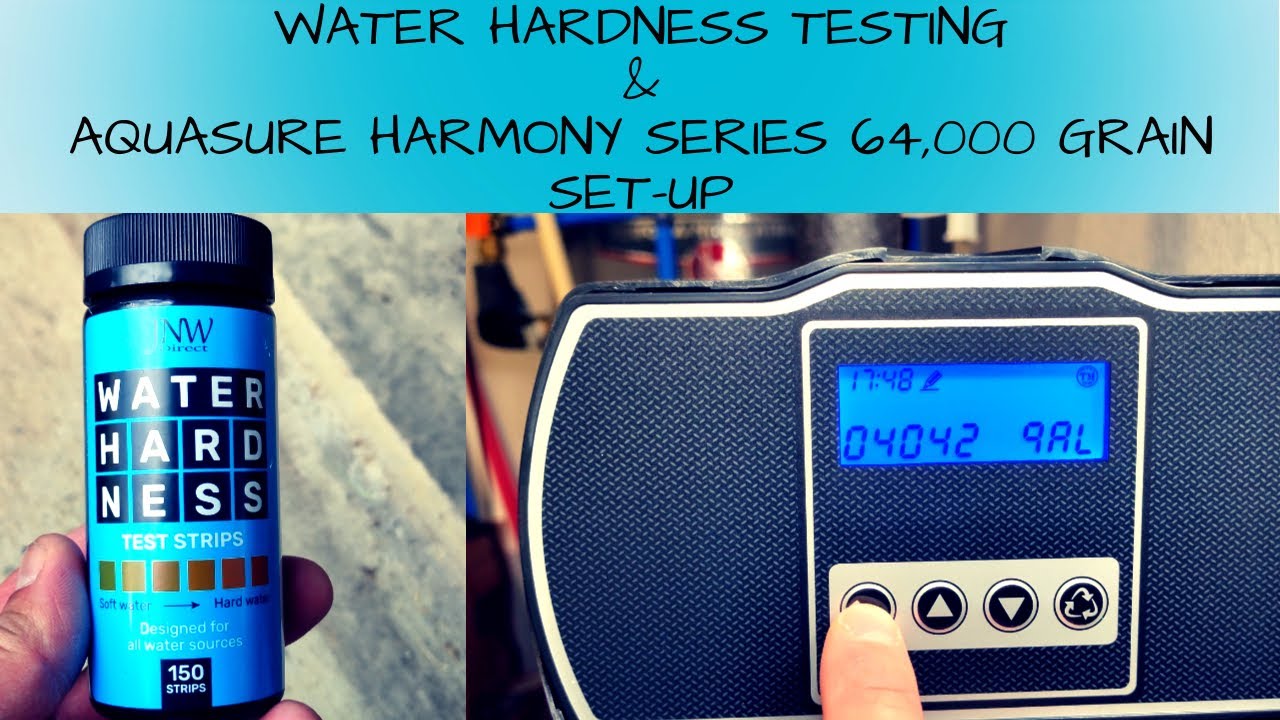 San Antonio Water Softener Hardness Setting
What If You Mess Up?
Relax. You won’t blow up your house. If you set the hardness wrong, just change it. Your softener will adjust on its next regeneration cycle. It’s like fixing a typo in a text message—no big deal. The universe will not collapse.
Fun fact: Some modern softeners have a “smart” mode that auto-detects hardness. But they’re lying. They use algorithms based on average data. Your water is special. Don’t trust a robot that guesses. Trust your test strip.
One more tip: If you have a salt bridge in your brine tank (a hard crust of salt), your softener won’t work right. Check it monthly. Break the crust with a broom handle. It’s oddly satisfying—like smashing a cookie that’s too big.
The Joy of Perfect Water
Once you nail that hardness setting, your life improves in tiny ways. Your tea tastes clearer. Your laundry smells fresher. Your pipes stop making creepy gurgling noises. You become a water whisperer.
Tell your friends you tweaked your softener’s hardness. Watch them look impressed and confused. You now know more than 90% of people about this topic. That’s a superpower. Use it wisely.
So go ahead. Find that dial. Set the number. You’re not just adjusting a machine—you’re taking control of your home’s happy chemistry. And your shower will thank you with perfect, squeaky-clean silence.
