Does Drinking Water Help A Stomach Ache

You’ve just polished off a second helping of spicy ramen, and now your stomach is staging a full-blown rebellion. That familiar, dull ache is knotted somewhere between your ri...

You’ve just polished off a second helping of spicy ramen, and now your stomach is staging a full-blown rebellion. That familiar, dull ache is knotted somewhere between your ribs and your navel, and you’re desperate for relief. The first thing that comes to mind—water—might actually be the smartest move you can make.
The Gut’s Hydration SOS
Think of your stomach as a high-performance engine. When it’s running smoothly, water is the coolant that keeps everything from overheating. But when a stomach ache strikes, the issue is often irritation—from acid, gas, or inflammation—and plain water acts as a gentle rinse.
Drinking water helps dilute stomach acid, which is a major culprit behind heartburn and indigestion. It also flushes out excess salt and toxins that can worsen cramping. In many ways, a sip of H2O is like hitting a soft reset button for your digestive system.
Must Read
Of course, there’s a catch: how you drink matters as much as what you drink. Gulping down a full glass in ten seconds can actually stretch your stomach, making pain worse. The trick is to sip slowly, as if you’re tasting a fine wine—except this one costs nothing and never gives you a hangover.
When Water Works Like a Charm
Have you ever had that slow, heavy ache after a greasy pizza? That’s often caused by delayed gastric emptying, where food sits in your stomach too long. Water can help by encouraging digestion to move along—think of it as a gentle nudge to your gut.
For cramps caused by constipation, water is practically a superhero. It softens stool and makes everything flow more freely, like rain washing away a traffic jam. The National Institute of Diabetes and Digestive and Kidney Diseases even recommends upping fluid intake as a first-line defense against tummy troubles.
And let’s not forget the classic “morning-after” stomach ache. Alcohol dehydrates you, leaving your stomach lining raw and sensitive. A glass of water (or two) before bed can reduce that regret by 50%, according to every wise bartender who’s ever slid you a napkin with a hangover cure.
The Exceptions: When Water Is a Villain
Here’s where we get real: water isn’t always the answer. If your stomach ache is from overeating, chugging water can actually expand your stomach further, triggering more pain. In that case, wait 30 minutes before taking a sip.
Nor does water help with gas pain. In fact, swallowing air while you gulp can add more bubbles to the party. If you’re bloated, try walking or a warm tea instead of a cold glass.
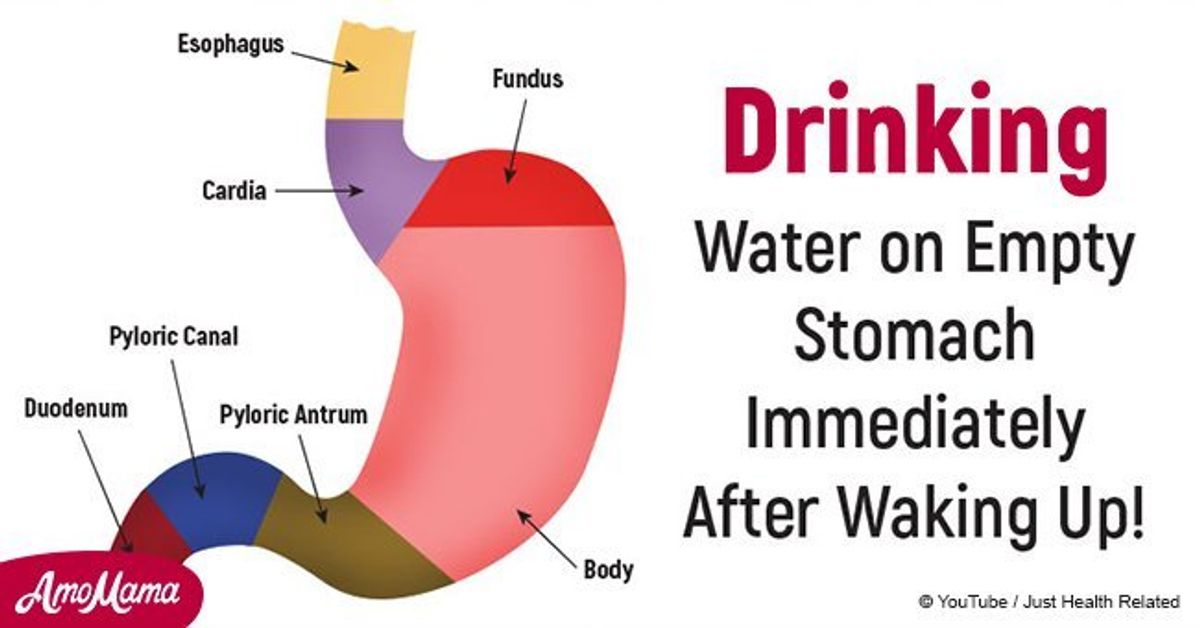 Benefits of drinking a glass of water on an empty stomach
And then there’s the spicy truth: if your stomach ache is caused by a stomach virus or food poisoning, water is essential for hydration, but it won’t stop the vomiting or diarrhea. You need electrolytes—like those in coconut water or a simple salt-sugar solution—to truly rebalance.
Cultural Sips and Ancient Wisdom
Across the globe, cultures have turned water into a ritual for healing. In Japan, people sip sayu—warm water taken first thing in the morning—to gently wake up the digestive system. It’s a tradition over 1,000 years old, and modern science backs it up: warm water relaxes the stomach muscles.
In India, families often drink cumin-infused water (jeera water) to soothe gas and bloating. The spice contains thymol, a compound that stimulates digestive enzymes. Meanwhile, Italians swear by a shot of acqua e limone (lemon water) before meals—it’s a preemptive strike against indigestion.
Even the ancient Greek physician Hippocrates knew what he was doing. He advised “if you are in pain, drink water”—though he probably didn’t have a Brita filter. The point is, humans have been using water as medicine long before anyone invented sports drinks.
Fun Facts to Chew On
Did you know that your stomach is about 75% water by volume? That’s basically a water balloon with enzymes. Also, the average person’s stomach holds about one liter of liquid—so you can only “settle” so much without feeling like a fish.
Here’s a weird one: cold water can actually tighten muscles and slow digestion, while warm water encourages blood flow and relaxation. So if you have a cramp, reach for a warm mug, not a frosty bottle.
And finally, a 2012 study in the Journal of Clinical Gastroenterology found that drinking 2 cups of water before a meal reduced indigestion and heartburn in 78% of participants. That’s better odds than most over-the-counter pills.
 Why Your Stomach Hurts When or After Drinking Water [8 Reasons
Practical Tips for Your Next Tummy Ache
Step one: Take five tiny sips, waiting 30 seconds between each. Treat your stomach like a nervous cat—approach slowly, don’t startle it. If the pain lessens, you’re on the right track.
Step two: Add a pinch of salt and a squeeze of lemon to your water. This creates a DIY electrolyte drink that’s gentler than commercial sports drinks. The salt helps your body absorb the water faster.
Step three: Avoid ice-cold water if you’re cramping. Warm or room-temperature water is the VIP lounge for your gut. You can even microwave water for 15 seconds—it’s not tea, it’s therapy.
If you’re still aching after 30 minutes, consider other causes: stress, a food allergy, or even a shallow breath pattern. Sometimes, the water is fine—your brain is the one clenching.
Reflection: The Simple Sip of Life
In a world full of glossy supplements and trendy probiotics, it’s oddly grounding that a glass of water can still do so much. It’s free, it’s available, and it’s been a companion to every human who ever felt a pang in their belly.
Next time your stomach protests, remember: you don’t always need a pharmacy. Sometimes, you just need a pause, a warm cup, and the patience to listen to what your body is really saying. Water isn’t a miracle—but it’s a pretty good friend in a crisis.
So go ahead, fill that glass, take a slow sip, and let the quiet calm of hydration do its work. Your stomach—and your daily peace—will thank you.
