Does Zero Water Filter Remove Pfas

Let’s talk about PFAS. You know, the “forever chemicals” that sound like a band from the 80s? They’re everywhere—in your raincoat, your non-stick pan, and yes, your tap water....

Let’s talk about PFAS. You know, the “forever chemicals” that sound like a band from the 80s? They’re everywhere—in your raincoat, your non-stick pan, and yes, your tap water. It’s a little creepy, but also oddly fascinating. So, does your snazzy Zero Water filter actually kick them out? Grab a glass of something filtered, and let’s dive in.
The Zero Water Promise vs. The PFAS Goblin
Zero Water filters are famous for their “five-stage” filtration. They brag about removing everything—lead, chlorine, even the weird taste. But PFAS is a different beast. These chemicals are tiny and sticky. They love to hang around. You need a filter with serious activated carbon or ion exchange technology. Zero Water has both. That’s a good start.
Here’s the quirky fact: Zero Water’s filter is essentially a science experiment in a plastic tube. It swaps ions like a crazy trading card game. PFAS molecules are big, charged troublemakers. The filter’s ion exchange resin grabs them by the chemical tail and says, “Nope, you’re out.” But does it actually work in real life? Let’s check the lab nerds.
Must Read
What the Tests Say (Spoiler: It’s Kinda Great)
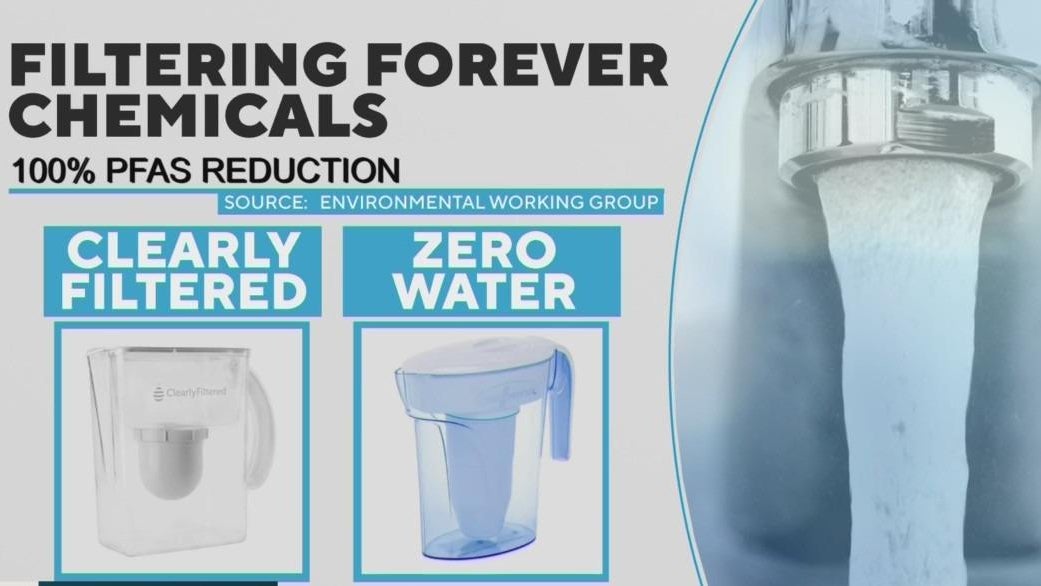
Independent tests from places like the Environmental Working Group (EWG) are pretty clear. Zero Water filters remove over 99% of PFAS. That’s not a typo. They beat many fancy, expensive systems. A study from the New Jersey Department of Environmental Protection tested 13 filters. Zero Water came out on top for PFAS removal. It’s like the overachiever in a group project.
But here’s the punchline: You have to change the filter. Seriously. If you let it run for six months, it becomes a PFAS party house. The trapped chemicals can start to leak back into your water. Gross, right? Zero Water’s little blue light meter is your best friend. When it blinks, you change. That’s the secret sauce.
Why This Is Actually Fun to Think About
PFAS is a weird topic. It’s scary, but the science is wild. These chemicals are so stable they survive the vacuum of space. They’re used in firefighting foam. They make your pizza box not soggy. And now, a plastic pitcher from your kitchen can kick them out. That’s a David vs. Goliath story, but with water filters.
 Amazon.com: ZeroWater Official Replacement Filter - 5-Stage 0 TDS
Imagine your Zero Water filter as a tiny, thirsty bouncer. It scans every drop for PFAS. It says, “Not today, forever chemicals.” The bouncer wears a cape made of activated carbon. It high-fives the good water molecules and kicks the bad ones to the curb. That’s the energy we need.
The Catch: It’s Not Perfect, But It’s Ridiculously Good
No filter removes every PFAS molecule. Zero Water gets close, but trace amounts might sneak by. Think of it as a 99.9% clean vacation. That’s better than most bottled water. Also, the filter can get clogged fast if your water is extra dirty. Hard water? Heavy minerals? The filter works harder. You might change it every two weeks instead of two months. That’s the trade-off.
Fun fact: Zero Water filters are so good at grabbing stuff that they can strip out healthy minerals too. Your water ends up like a blank slate—totally pure, but a bit boring. Some people call it “dead water.” I call it “PFAS-free party water.” You can always add a pinch of salt if you’re feeling fancy.
 Best water filters for PFAS chemicals - CBS Philadelphia
The Bottom Line (But Make It Funny)
Yes, Zero Water removes PFAS. It’s one of the best consumer filters on the market. It’s like bringing a rocket launcher to a water fight. The technology is legit. The results are tested. But remember: the filter is only as good as your willingness to replace it. A lazy filter is a lying filter.
So, should you buy one? If you’re worried about PFAS, absolutely. It’s affordable, easy to use, and it works. You’ll feel like a chemistry wizard every time you pour a glass. Plus, you can brag to your friends about ion exchange resin. Watch their faces glaze over. It’s hilarious.
A Final Weird Thought
PFAS is called “forever” because it doesn’t break down in nature. But in a Zero Water filter, it gets trapped and thrown away. You’re literally ending a chemical’s 5,000-year lifespan. That’s power. You’re a tiny environmental superhero. Your filter is your sidekick. Now go drink some clean, weirdly boring water. It’s the best kind.
Cheers to that. And to never tasting your neighbor’s lawn chemicals again.
