Does A Water Softener Filter Water

So, my neighbor Karen—bless her heart, she’s always one gadget ahead of me—recently texted me a photo of her new water softener. She captioned it, “Guess what? My water is now...
So, my neighbor Karen—bless her heart, she’s always one gadget ahead of me—recently texted me a photo of her new water softener. She captioned it, “Guess what? My water is now filtered AND soft!” I stared at my phone, genuinely confused. Does a water softener filter water? I felt a little dumb for not knowing, but mostly I felt a deep, nagging suspicion that Karen was overselling this thing.
Let’s be real: the word “softener” sounds like a spa treatment, not a filtration system. You imagine bubbles and scented oils, not a hardcore purification process. But here’s the kicker (and the part that might surprise you): no, a water softener does not filter water in the way you think it does. It’s more of a magic trick for minerals, not a sieve for dirt.
Think of it like this: you’ve got a glass of water with muddy sand at the bottom. A filter would remove that sand. A softener? It swaps the sand for tiny, sparkly marbles that make your hair feel nicer. The “sand”—the calcium and magnesium—is still in the glass, just replaced with sodium or potassium ions. You’re not filtering; you’re exchanging.
Must Read
What a softener actually does
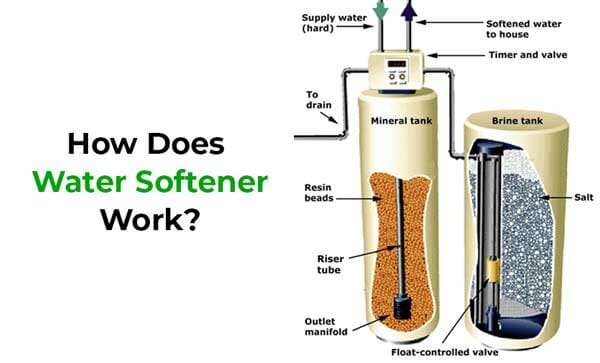
A softener uses a process called ion exchange. It has a tank full of resin beads that are coated with sodium ions. When hard water flows over them, the calcium and magnesium stick to the beads, and the sodium pops off into your water. So you get softer water, but you’re adding a tiny bit of salt to the equation (don’t worry, it’s not enough to taste like the ocean).
The result? Your soap lathers like a dream, your dishes come out spotless, and your skin stops feeling like a dried-up raisin. It’s amazing for your plumbing and your Yorkshire puddings. But if you were expecting a filter that catches lead, bacteria, or pesticides? Oops. That’s not this machine’s job.
This is where people get tripped up. A softener removes hardness, not contaminants. Imagine bragging about a car that flies—but it actually just drives really fast on the ground. Cool, but you’re still stuck in traffic (or drinking chlorine).
 Water Softener After Filter at Steven Mix blog
So, does it filter anything at all?
Technically, yes, but only by accident. During the ion exchange, some bits of sediment or rust get physically caught in the resin bed. It’s like a bonus feature, not the main event. Think of it as your softener offering a polite “woolite” to big particles, but shrugging at tiny toxins.
I asked Karen if her water tasted different. She said, “It tastes cleaner!” I had to break it to her gently: that’s the placebo effect. Softeners don’t remove taste or odor. They might actually add a faint “saltiness” if you’re sensitive to it. The only way to get truly filtered water—free of chlorine, lead, or weird smells—is with a dedicated carbon filter, a reverse osmosis system, or a whole-house filtration unit.
Let’s pause here. If your tap water smells like a swimming pool, a softener won’t save you. If you’re worried about lead pipes, a softener is your worst ally. You need a multistage plan, not a single magic box.
The real trick: stacking the systems
Most smart homes (and smart homeowners) use both. You run water through a filter first to remove the bad stuff, then through a softener to handle the hardness. It’s like brushing your teeth before you use mouthwash: sure, you could just use mouthwash, but your breath will still smell like yesterday’s coffee.
 How To Operate A Water Softener System at Ronald Pepper blog
Karen finally admitted she only bought the softener because the sales guy said it “polishes” water. Polishes. I nearly choked on my unsalted, unfiltered tap water. Marketing is a beautiful, confusing beast. Don’t let it trick you into thinking a softener is a Swiss Army knife for water quality.
So, does a water softener filter water? No. It doesn’t. It transforms water. It turns rock-hard mineral water into a gentler version of itself. But if you’re looking for a filter, you need to look for a filter. This is not a judgment call—it’s just a matter of choosing the right tool for the job.
Here’s my hot take: buy a softener if you live in a place where your faucets grow white crust faster than a bakery bread loaf. Pair it with a charcoal filter on your kitchen tap for drinking water. Your plumbing will last longer, and your coffee will taste like coffee, not a chemistry experiment. You’re welcome.
And Karen? She eventually bought a Brita pitcher. Now she texts me photos of her “gourmet” ice cubes. Some people never learn, but at least her hair is shiny.
