How Does E Coli Get Into The Water

Okay, let’s talk about something that sounds like a science experiment gone wrong: E. coli in the water. You know, that little bacterium that makes the news and ruins your bea...
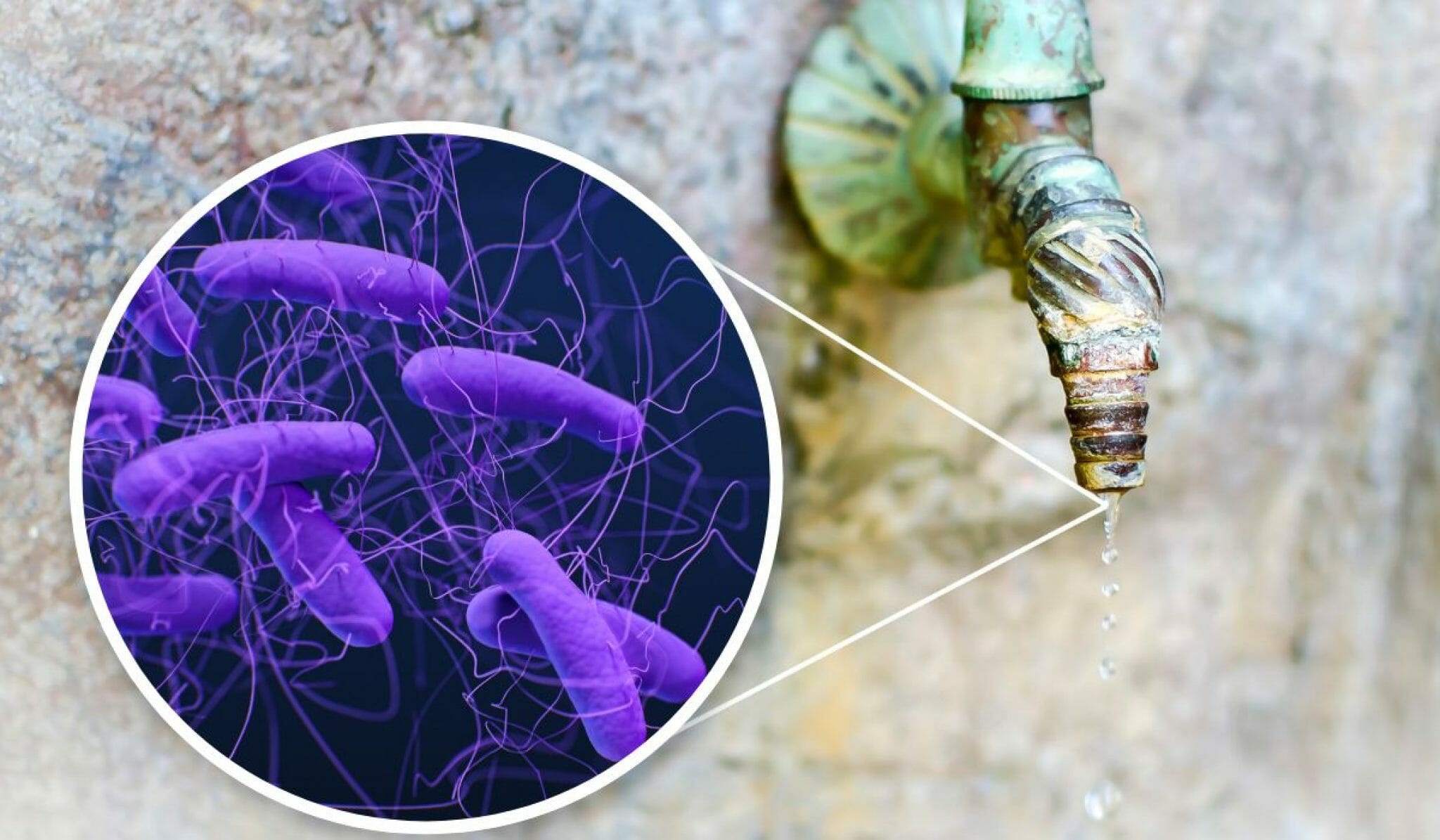
Okay, let’s talk about something that sounds like a science experiment gone wrong: E. coli in the water. You know, that little bacterium that makes the news and ruins your beach day? It’s not as mysterious as it sounds—promise.
Think of E. coli like an uninvited party guest who shows up in the water supply. It usually starts its journey in poop—yes, you read that right, fecal matter. Don’t worry, this article is going to be fun, but we’re not sugarcoating the source.
The Main Suspects: Who’s to Blame?
First up, farm animals. When cows, chickens, or pigs do their business in a field, rain can wash that waste into nearby streams. It’s like a gross relay race: manure to soil, soil to river, river to your tap.
Must Read
Then there’s wildlife. Geese, deer, and even adorable ducks can carry E. coli. They don’t use toilets (rude), so their droppings end up in lakes and ponds. Seriously, those cute ducks might be the hidden culprits behind a swimming advisory.
And let’s not forget human error. Old septic tanks or sewage pipes that leak? They’re like a broken faucet for bacteria. When it rains a lot, these systems can overflow, sending raw sewage straight into waterways. It’s not glamorous, but it’s real.
How Does It Actually Travel?
E. coli is a traveler, but it doesn’t pack a suitcase. It hitches a ride on water molecules during what scientists call “runoff.” Imagine a gentle rain washing a cow pasture. That water picks up everything—dirt, grass, and yeah, bacteria.
Flooding is the bacteria’s best friend. When rivers rise, they spill over into fields and streets, collecting nasties along the way. It’s like a dirty treasure hunt, but the only gold is germs.
Even underground isn’t safe. If the soil is sandy or the water table is high, E. coli can seep through cracks and find its way into wells. So that bucolic farmhouse with a well? It needs a filter—trust me.
But Wait—Isn’t E. Coli Everywhere?
Yes! Most E. coli is harmless. It lives in the guts of animals and humans like a good neighbor. The trouble starts with “bad” strains, like O157:H7, which are like the rebellious teenagers of the bacteria world.
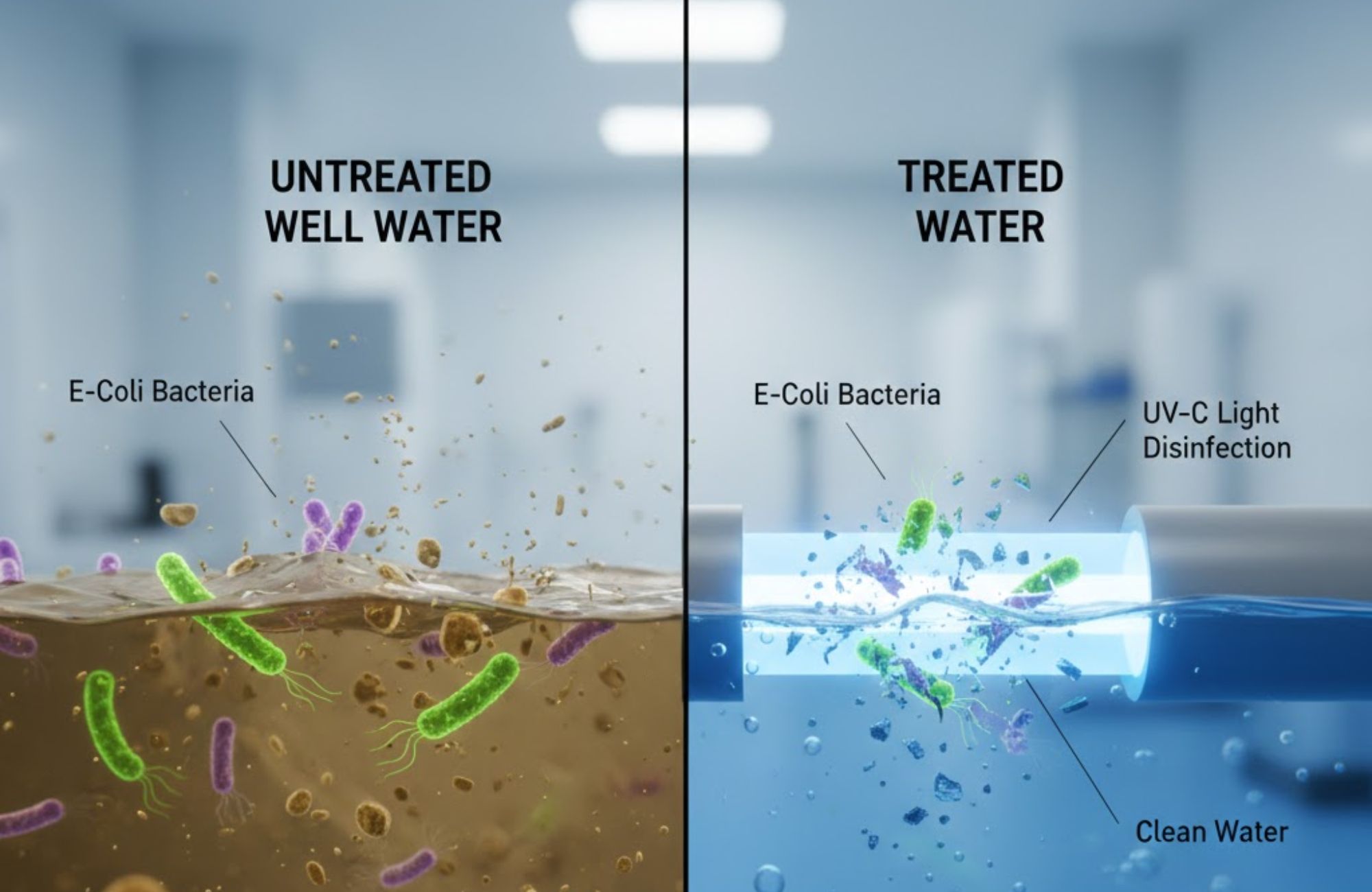 E. Coli in Well Water Treatment: What to Do Next - Housatonic Valley
Those bad guys cause cramps, diarrhea, and fever. Not fun. But they’re usually killed by boiling water or proper treatment. So don’t panic—just boil or filter if you’re unsure.
The Human Factor: We’re Not Innocent
We humans do silly things, like tossing diapers in the trash without wrapping them tight. Or we fail to wash hands after using the bathroom. That’s how E. coli gets from our hands to the shared water cooler at the office.
Agricultural fertilizer (aka manure) is a big one. Farmers use it to grow food, which is great, but if it’s too close to a stream, the rain does the rest. It’s not malicious—just a messy cycle.
And then there’s climate change. Warmer weather means more intense storms, which means more runoff. So, in a weird way, global warming is helping E. coli take more road trips. Thanks, atmosphere.
Can We Stop It? (Spoiler: Yes, With Giggles)
You don’t need a hazmat suit. Simple steps help: don’t feed the geese (they poop more), fix septic leaks, and pick up dog poop like a good citizen. Yes, even that tiny pile in the park matters.
Water treatment plants are the real heroes. They use filtration, chlorine, and UV light to zap E. coli into oblivion. It’s like a spa day for dirty water, but with chemicals.
 Total Coliform vs. E. Coli: Comparing Bacteria found in Water Samples
If you’re swimming, don’t swallow the water—especially if it looks murky or smells funky. Your stomach will thank you. And if you’re camping, boil your drinking water. No shortcuts.
The Good News: We’re Not Doomed
E. coli is a canary in the coal mine. When it shows up, it tells us something’s wrong. That’s a good thing—it’s nature’s text message saying, “Hey, fix this!”.
Scientists are developing faster tests to spot bad strains in minutes. Soon, you might get a phone alert: “Don’t swim at Sandy Beach today!” before you even pack your towel. Innovation rocks.
And here’s the uplifting part: You are already part of the solution by reading this. Awareness is the first step. Now you can tell your friends, “Hey, don’t let the geese poop in the lake!” and sound like a genius.
So, Let’s Wrap This Up With a Splash
E. coli in water is like that one friend who shows up uninvited, eats all your snacks, and leaves a mess. Annoying, but manageable. With a little care, we can keep our drinking water clean and our lakes swimmable.
Next time you turn on the tap, give it a little nod of respect. It’s gone through a lot—filtration, testing, and maybe a battle with some poop bacteria. And it won. That’s pretty cool.
So go ahead, take a sip of clean water, and smile. You’re hydrated, informed, and one step ahead of the E. coli. You’ve got this—and the water’s got your back. Cheers!
