Where Does Potable Water Come From

So, there I was, staring at my kitchen faucet like it was a magic trick. I’d just read that only 1% of Earth’s water is actually drinkable. And yet, I turned the handle and wh...

So, there I was, staring at my kitchen faucet like it was a magic trick. I’d just read that only 1% of Earth’s water is actually drinkable. And yet, I turned the handle and whoosh—clean, cold water. It felt almost like cheating. But where did that water really come from? Not the pipe behind the wall. The real source.
Let’s rewind. Your glass of water started its life as a drop of rain. (Or snow, if you’re feeling fancy.) That rain fell onto a mountain, a forest, or maybe a cow pasture. No judgment. That’s where the journey gets interesting—and a little gross, if we’re being honest.
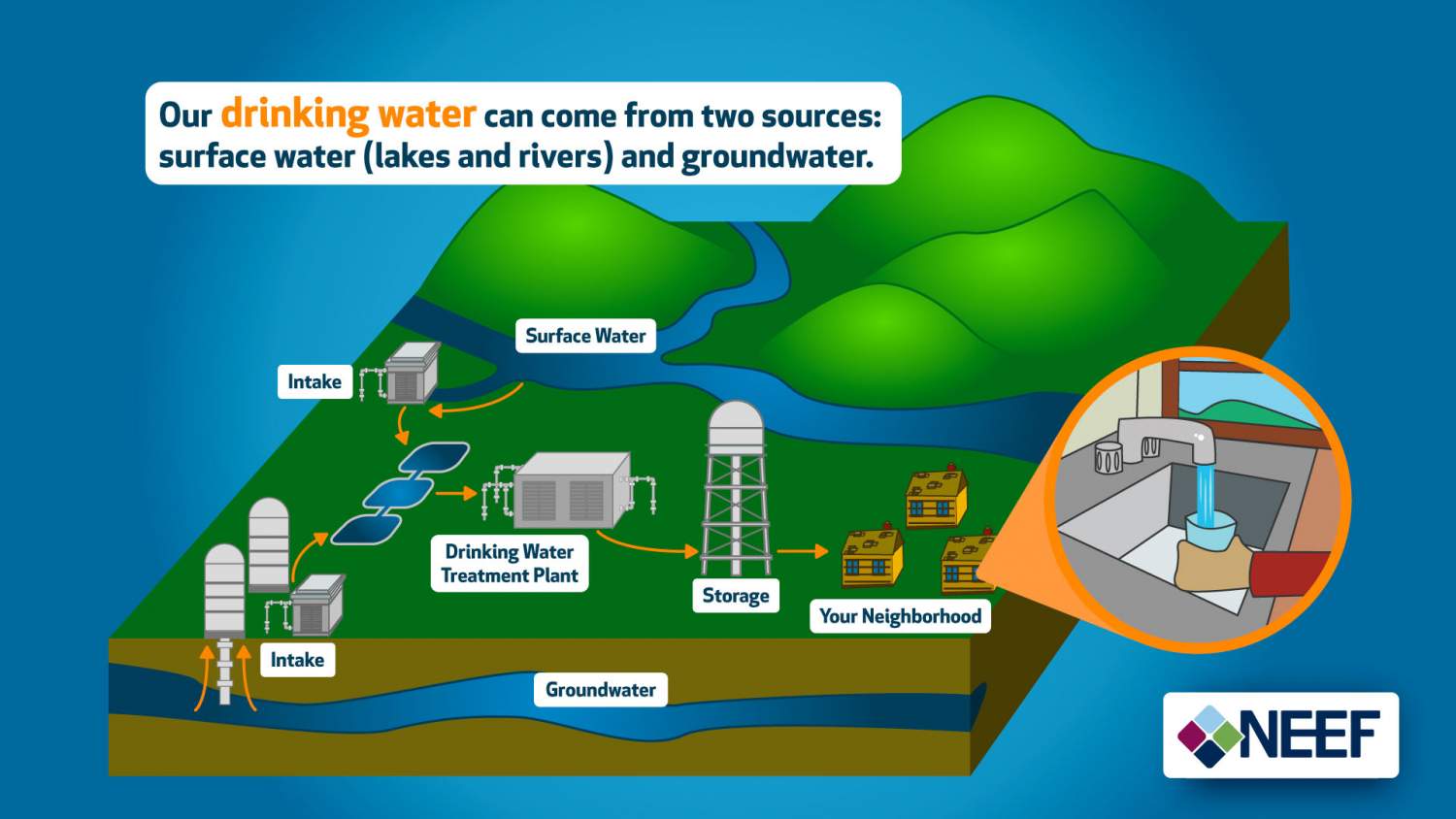
Surface water is the rockstar of drinking sources. Think rivers, lakes, and reservoirs. About 60% of U.S. tap water comes from these. But here’s the kicker: that water is also home to fish poop, algae, and the occasional plastic bottle. Don’t panic yet. We’ll fix it.
Must Read
The Great Clean-Up Operation
Water treatment plants are basically superheroes in disguise. They take that muddy, bacteria-filled mess and turn it into something you’d happily put in a crystal glass. It’s a four-step process: coagulation, sedimentation, filtration, and disinfection. Sounds like a chore chart, right?
First, they dump in chemicals like alum that make dirt and germs clump together. That’s coagulation. Then they let the heavy clumps sink (sedimentation). Next, the water runs through layers of sand, gravel, and charcoal—filtration. Finally, they add chlorine or ultraviolet light to kill any remaining nasties. Goodbye, E. coli. Hello, hydration.
But here’s a fun twist: not all water gets treated the same way. If your city is fancy enough, they might use reverse osmosis or ozone. That’s like giving your water a spa day before it hits your glass. You’re welcome.
The Underground Secret
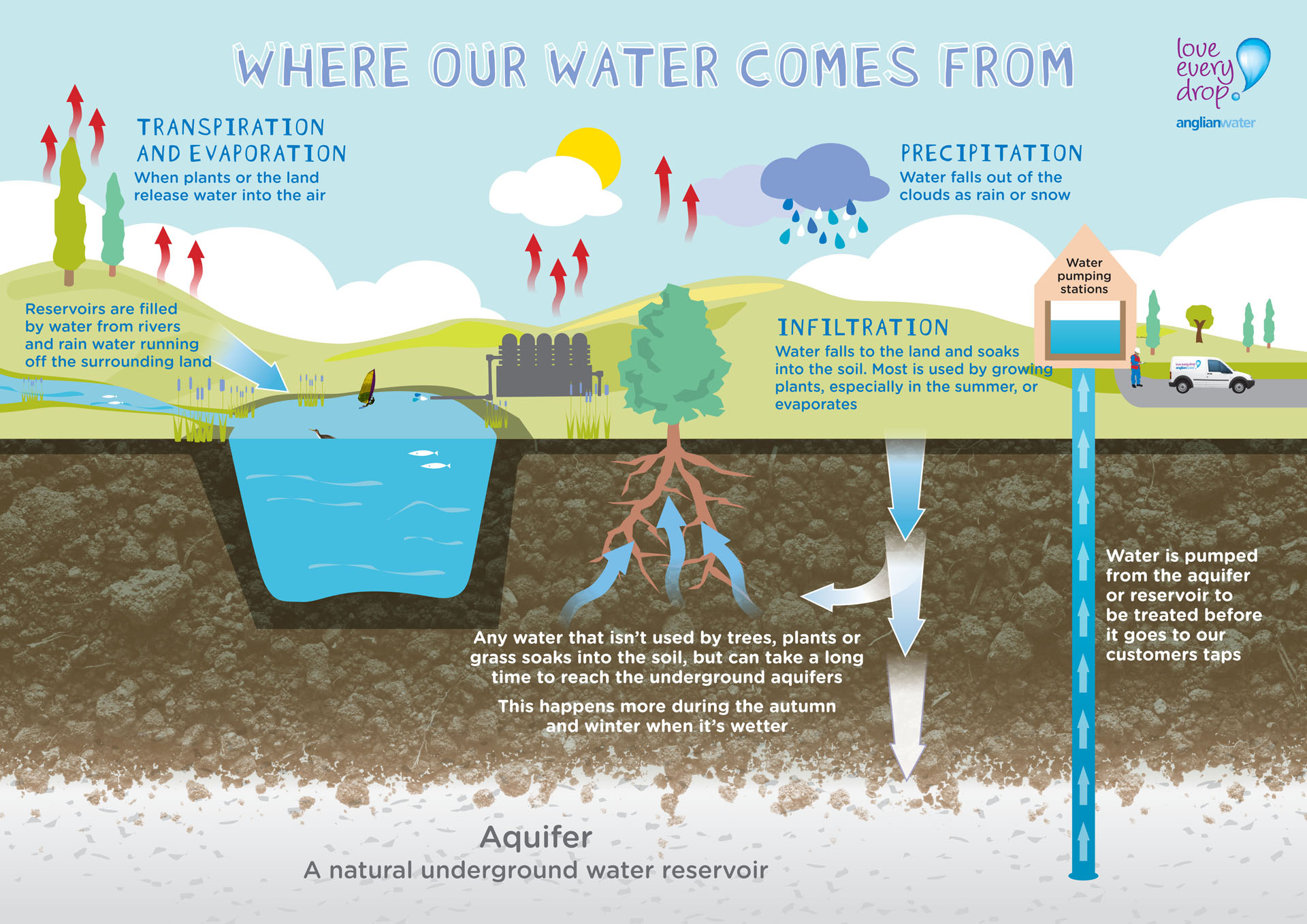
About 40% of potable water comes from groundwater. That’s water stored in aquifers—natural underground sponges made of sand and rock. Think of it as nature’s water filter. Rain seeps down over hundreds (or thousands) of years, picking up minerals but leaving behind surface junk.
To get it out, we drill wells. Yes, like the ones in Western movies, but with more PVC pipes. The water is usually much cleaner than surface water, but it can have high levels of iron or sulfur. That “rotten egg” smell? Yep, that’s sulfur. Treatment still happens, but it’s often simpler.
 Where Does My Water Come From Southern Water at Stephen Gallagher blog
Here’s the ironic part: we’re drinking water that fell as rain during the Roman Empire. Seriously. Deep aquifers recharge incredibly slowly. So every time you take a sip, you’re gulping down a piece of history. Julius Caesar never had it so good.
What About Desalination?
If you live near the ocean (hello, California or Dubai), you might drink water that was once saltwater. Desalination plants use reverse osmosis to push seawater through super-fine membranes. It’s energy-hungry and expensive. But when rivers run dry, it’s a lifesaver. Literally.
The downside? The leftover salt brine gets dumped back into the ocean. Sorry, fish. It’s not perfect, but it’s better than dying of thirst. And let’s be real—we’re spoiled by how easy it is to get fresh water in most places.
But wait—there’s a catch. Your tap water might come from a blend of all these sources. One day it’s rainwater from a reservoir, the next it’s groundwater from a well. Cities mix them to maintain taste and pressure. It’s like a cocktail, but less fun.
The Dark Horse: Recycled Water
Okay, brace yourself. Some cities (like Singapore and parts of Texas) use recycled wastewater. Yes, toilet-to-tap is a real thing. But don’t freak out. The water goes through advanced treatment: microfiltration, reverse osmosis, UV light, and hydrogen peroxide. It’s cleaner than most bottled water.
 Lesson 2: Protect Water Quality At Home | The National Environmental
Still, the “ick factor” is real. That’s why many cities pump it back into groundwater aquifers first. They let nature do a final polish. Then they pump it out again. Circle of life, people. It’s sustainable, safe, and frankly, brilliant.
And here’s the kicker: every drop of water on Earth is recycled anyway. Dinosaur pee, ancient sweat, that puddle you stepped in—it’s all been through a few billion years of the water cycle. We just speed up the process with some fancy engineering.
So, Is Your Tap Water Safe?
Short answer: yes, if you live in a developed country. The EPA (in the U.S.) and WHO (globally) set strict limits for contaminants. You’re getting lab-tested, government-approved hydration. Fancy, right?
But—and here’s the ironic part—millions of people still don’t have safe water. That’s a global tragedy we rarely think about while filling a bottle. So next time you take a sip, remember the journey. The rain, the aquifer, the filters, the pipes. And maybe, just maybe, use that magic faucet to refill a reusable bottle instead of buying plastic. You’re welcome, Earth.
Now go drink some water. You’re probably dehydrated. Ironic, isn’t it?
