What Does My Water Meter Look Like

Ever looked at that mysterious little box on the side of your house and thought, “What is that thing?” You’re not alone. It’s your water meter, and it’s probably a lot more in...

Ever looked at that mysterious little box on the side of your house and thought, “What is that thing?” You’re not alone. It’s your water meter, and it’s probably a lot more interesting than you’d think. Let’s pop the lid, metaphorically speaking, and see what’s inside.
First Impressions: It’s Not a Robot
Your water meter usually lives in a concrete or plastic box in the ground, near the street or sidewalk. It has a heavy metal or plastic lid that might say “WATER” or have your local utility’s logo. Lifting it can feel like opening a tiny treasure chest—but instead of gold, you find a gadget.
That gadget is a lot like the speedometer in your car. It tracks how much water flows past it, but instead of miles per hour, it measures gallons or cubic feet. And just like your car’s odometer, it keeps a running total of all the water you’ve ever used.
Must Read
The Classic Dial: A Little Clockwork Magic
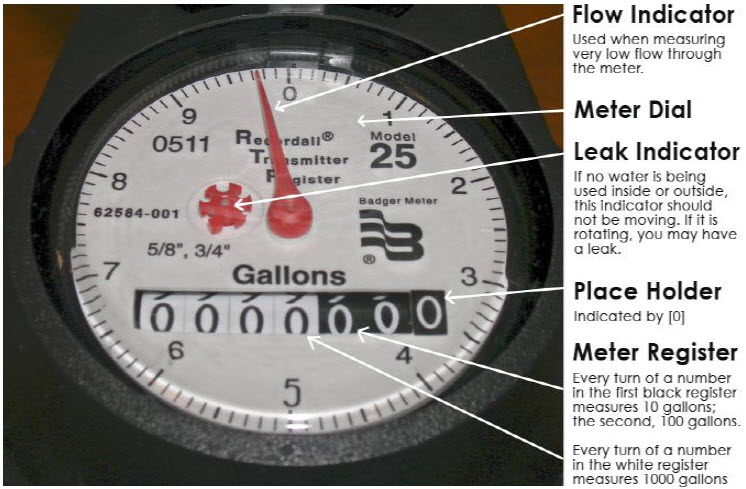
If your meter is old-school, you’ll see a circular dial with numbers and a spinning red triangle. That red triangle is your secret weapon for finding leaks. If it spins when you’re not using water, you’ve got a drippy faucet or a sneaky toilet.
The big numbers on the dial are like a odometer in a car, but for water. They move slowly, like a lazy snail, and each full rotation of the smaller hand equals a certain amount of water. It’s oddly satisfying to watch, like a slow-motion dance.
Bonus: The “Sweep Hand” Fun
Some meters have a long, thin hand that sweeps around like a clock’s second hand. This is the “leak indicator”—it moves even with a tiny drip. Try watching it after you turn off all your taps; if it twitches, you’ve got a mystery to solve.
The Digital Meter: Hello, Future
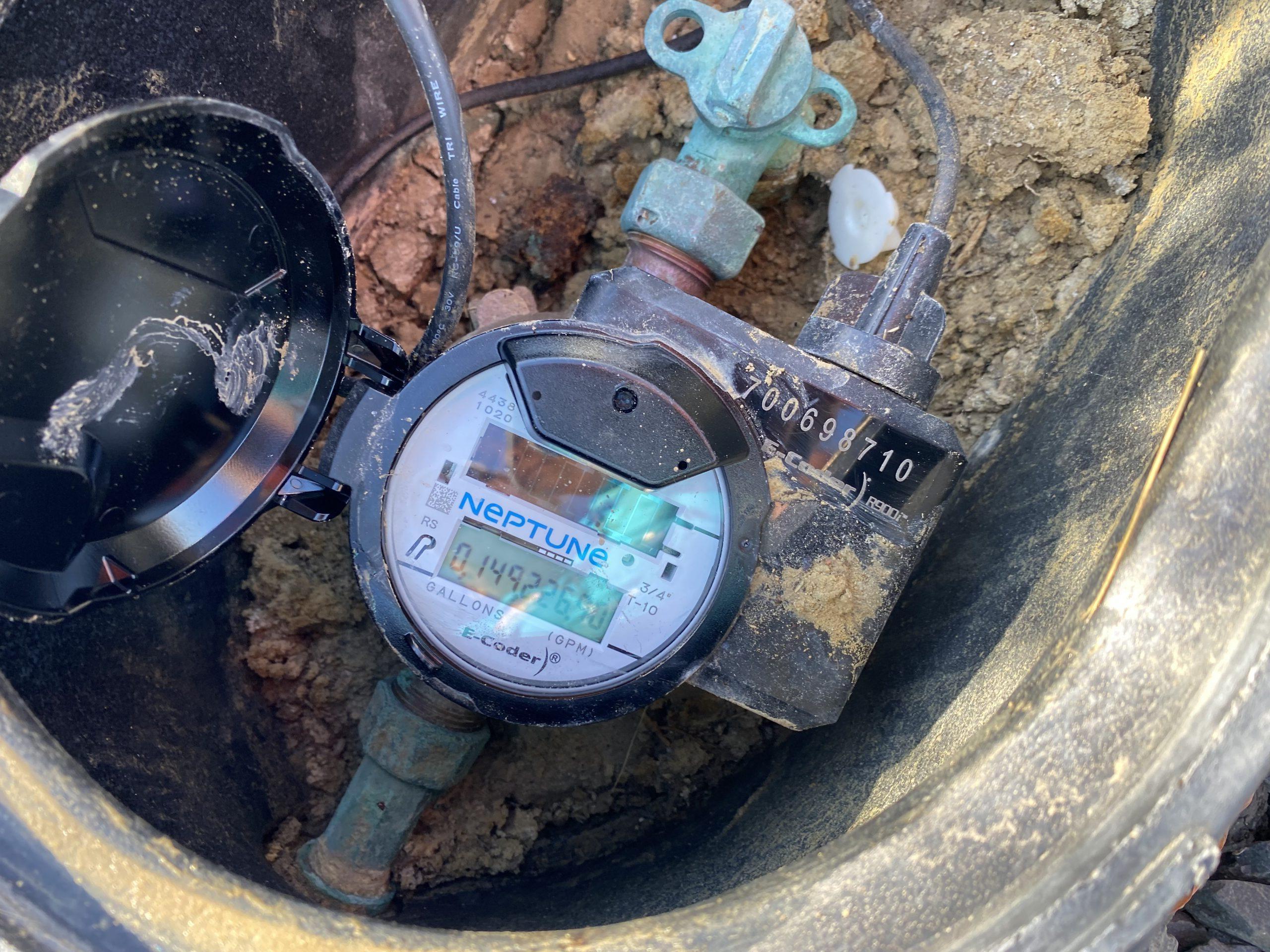
Newer homes often have a digital water meter, which looks like a small screen showing numbers, like a calculator or a weather station. Some even have a little radio antenna that sends your usage data to the water company without anyone reading it by hand. Cool, right? It’s like your meter is sending a secret text message.
Digital meters are easier to read—just glance and see the number. But they still have that sly leak detector feature, often shown as a blinking icon or a moving arrow. Why do they hide leaks so cleverly? Probably to keep you curious.
 Understanding Your Water Meter - Laredo Utilities Department
Why Should You Care?
Knowing what your meter looks like is like knowing where your car’s gas gauge is. It’s your tool for saving money and water. If you spot a leak early, you can fix it before your bill balloons like a Thanksgiving parade float.
Plus, it’s a fun party trick. Next time a friend visits, say, “Hey, wanna see something cool?” and pop open the meter lid. Watch their face as you explain the spinning red triangle. You’ll be the water meter whisperer.
Reading It: Not Rocket Science
To read a dial meter, just write down the numbers from left to right. Ignore the red ones or the little test dials. For digital meters, “00000” is your start point. It’s as simple as reading a receipt from a store.
Want to get nerdy? Check it at the same time every week. You can calculate your weekly water usage. Compare it to the average family’s use (about 300 gallons a day). Are you a water hog or a minimalist? The meter knows.
When It’s Not Your Friend
If the meter looks like it’s been in a war—cracked, foggy, or full of ants—call your water company. That’s their equipment, not yours. Don’t try to fix it yourself; you might as well try to repair a space shuttle with duct tape.
 Water Meter Outside
Also, if the meter box is full of water or bugs, don’t stick your hand in. Snakes love warm meter boxes. Just use a stick or a camera phone to peek inside.
The Weirdest Part
Some meters have a small magnet inside that spins with the flow of water. It’s wildly simple—moving water turns a turbine, and the magnet spins a gear. It’s like a waterwheel in a stream, but tiny and hidden in your front yard.
Other meters use ultrasonic waves to measure flow. No moving parts at all. It’s basically a sonar for water, like a submarine guessing its own speed. Who knew your plumbing was so high-tech?
Final Thought: Go Look
Next time you’re watering the plants or walking the dog, take a peek at your water meter. It’s a silent little narrator of your home’s water story. It tracks every shower, every glass of lemonade, every drip from a leaky faucet.
So go ahead, lift the lid. Say hi to that spinning red triangle or blinking digital dot. It’s your friend, even if it’s a quiet one. And now you know: it’s not just a box in the ground. It’s a tiny, waterproof storyteller.
