How Does Ice Maker Work In Freezer

So, you’re staring into your freezer, watching that ice cube tray like it’s a nature documentary. But wait—your friend has one of those fancy built-in ice makers. You know, th...
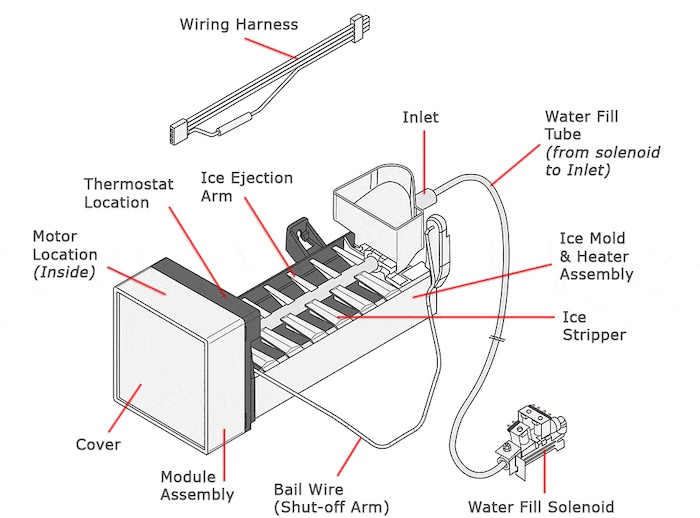
So, you’re staring into your freezer, watching that ice cube tray like it’s a nature documentary. But wait—your friend has one of those fancy built-in ice makers. You know, the ones that churn out cubes like magic. How does that thing actually work? Let’s pull back the curtain, shall we?
First, forget everything you know about plastic trays and twisted wrists. This is science, baby. Your ice maker is basically a tiny, automated factory living inside your freezer. And it’s way more clever than you’d think.
It all starts with a simple water line. Yes, that’s right—your fridge is plumbed directly to your home’s water supply. No refilling required. Just a constant, silent river of H2O waiting to be frozen.
Must Read
The Water Valve: The Gatekeeper
Your freezer isn’t just cold; it’s a control freak. When the ice maker decides it’s time to make cubes, it opens a tiny solenoid valve. Think of it as a miniature water gate. It lets a precise amount of water—usually just a few ounces—flow into a mold.
But here’s the kicker: the water doesn’t just dribble in. It has to be just right. Too much water, and you get a giant, cracked iceberg. Too little, and you get sad, hollow cubes. Precision matters, even in the frozen wasteland.
Once the mold is filled, the valve snaps shut. That’s it. The waiting game begins. And in freezer land, waiting is all about temperature.
Freezing: The Cold, Hard Truth
Your freezer is already a champion at making things cold—that’s its whole job. But the ice maker mold is strategically placed right in the coldest air stream. It’s like putting your drink in the VIP section of a blizzard.
As the water sits there, heat energy flees like a coward. The molecules slow down, get cozy, and form those lovely crystal lattices. Freezing happens faster than you think—usually within 90 minutes to two hours. Patience is a virtue, but ice is a reward.
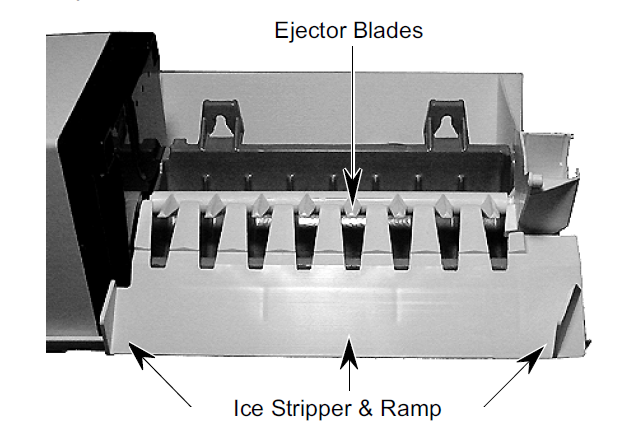 How Does a Refrigerator Ice Maker Work? | A Practical Explanation from
Now, you might wonder: how does it know when the cubes are ready? Does it knock? Does it sing? Nope. It uses a thermostat. Once the mold hits a certain low temperature, the system knows the water is solid. Game on.
The Ejection: A Heated Drama
This is where things get slightly dramatic. Frozen water sticks to metal like a stubborn barnacle. You can’t just yank it out. So the ice maker does something sneaky: it heats the mold.
Wait, heat in a freezer? Yes! A small heating element warms the bottom of the mold for a few seconds. This loosens the cubes’ grip. It’s like giving them a warm, gentle wiggle. Then, a motor-driven arm—think of it as a plastic claw—sweeps across the mold. Pop, pop, pop—the cubes tumble out into a bin below.
And let’s be real: that sound is pure satisfaction. It’s the freezer telling you, “You’re welcome.”
The Bin: A Hoarder’s Paradise
Once the cubes land in the storage bin, they’re not safe forever. The bin usually has a sensor—a little arm or a light beam. This sensor checks how full the bin is. If it’s packed to the brim, the ice maker just… stops. It takes a break. No overproduction. Very polite, right?
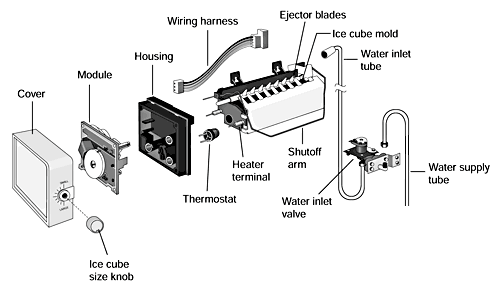 DIY Ice Maker Repair
But if you’re a savage who uses ice like confetti, the sensor will eventually detect a low level. And then the whole cycle starts again. Endless ice. It’s like having a loyal, frozen pet.
Of course, there’s a dark side. That ice in the bin doesn’t stay perfect forever. It can clump together, absorbing weird freezer smells. Ever tasted an ice cube that smelled like leftover fish? Yeah. That’s the enemy.
So, Is It Magic or Engineering?
Honestly, it’s a bit of both. The whole system relies on a few simple parts: a water valve, a thermostat, a heater, and a motor. But the genius is in the timing. It all happens automatically, while you sleep. It’s like having a tiny, moist robot working the night shift.
And here’s a fun thought: that ice you drop into your soda had a whole journey. It traveled through pipes, sat in a mold, got shocked with heat, and then was tossed into a bin. All for your iced latte. You’re welcome, caffeine fiend.
So, next time you hear that glorious thunk-clatter of fresh ice, tip your hat to the science. Or just be grateful you don’t have to wrestle with a stuck ice tray again. Progress, my friend. Progress.
