How Much Is It To Drill A New Well

You’re standing in your backyard, dreaming of a lush vegetable garden or a sparkling pool, and the thought hits you: “I want my own well.” It’s the ultimate power move—free wa...
You’re standing in your backyard, dreaming of a lush vegetable garden or a sparkling pool, and the thought hits you: “I want my own well.” It’s the ultimate power move—free water, no monthly bills, and the smug satisfaction of being self-sufficient. But before you channel your inner Mad Max survivalist, let’s talk dollars and sense. Drilling a new well isn’t cheap, but it’s one of those investments that pays off in pure lifestyle dividends.
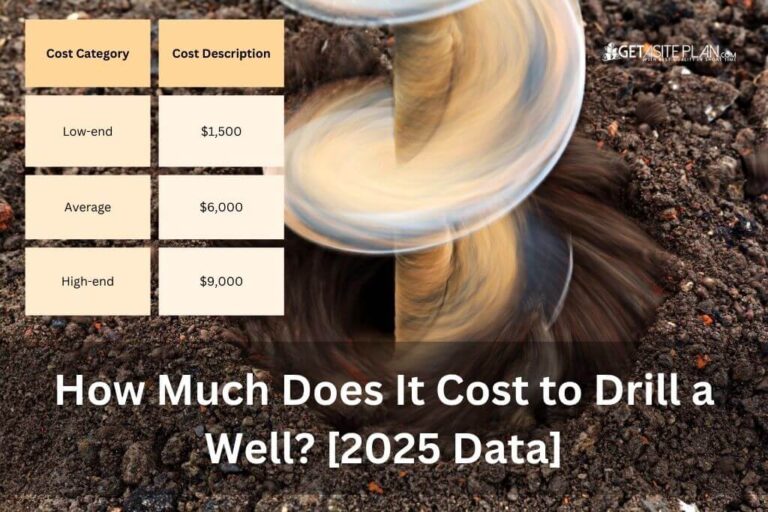
So, how much are we talking? The short answer: anywhere from $3,000 to $15,000 for a standard residential well. That’s a wide range, I know, like trying to guess the cost of a vintage Ferrari repair. The exact number depends on three big factors: depth, geography, and whether you hit a gusher or a trickle.
Let’s break it down by depth, because depth is destiny in well world. A shallow well—say, 25 to 50 feet—can cost as little as $3,000 to $6,000. Think of it as the Ikea furniture of wells: affordable, but you might need a little patience. Deeper wells, reaching 150 to 400 feet, can run $8,000 to $15,000. That’s the custom-built cabinetry tier—pricey, but built to last.
Must Read
Geography is the wild card. If you live in Texas or Florida, where the water table is high and the soil is soft, you might pay on the lower end. But try drilling in New England’s rocky terrain, and you’re basically funding a Hollywood blockbuster—those extra charges for rock drilling can add $10 to $30 per foot. Pro tip: always ask your driller about “rock fees” before they start. It’s like asking a taxi driver about the meter—essential for your sanity.
What’s Included (and What’s Not)
Most quotes cover the drilling itself, plus the casing—that steel pipe that keeps your well from collapsing. But here’s the sneaky part: pumps and pressure tanks are often extra. A decent submersible pump runs $500 to $1,500, and the tank is another $200 to $600. Think of it as the avocado toast of the well world—small, but it adds up fast.
You also need electricity to run the pump, and maybe a trench to your house. That trenching can cost $1,000 to $3,000 for a 100-foot run. If you’re off-grid, consider a solar-powered pump for an extra $2,000 to $5,000. It’s the eco-friendly choice that makes you feel like a tech startup founder—except you’re running on sunshine, not venture capital.
And don’t forget water testing. You’ll want to know if your water is safe to drink—or just for watering that cactus collection. Testing runs $100 to $400 per panel. It’s a small price for peace of mind, especially if you’re planning to sip from the fountain of youth (or at least your kitchen tap).
![How Much Does It Cost to Drill a Well? [2025 Data] - Get A Site Plan](https://getasiteplan.com/wp-content/uploads/2024/12/average-cost-of-drilling-or-digging-a-well-600x432.jpg) How Much Does It Cost to Drill a Well? [2025 Data] - Get A Site Plan
How Much Does It Cost to Drill a Well? [2025 Data] - Get A Site Plan
Practical Tips to Save Your Wallet
Get multiple quotes. Seriously, call at least three drillers. Prices vary wildly—I once heard of a difference of $4,000 for the same job. It’s like shopping for designer jeans: you’re paying for the brand, not the water. Check local drilling associations for referrals, and ask neighbors about their experience. Community gossip is gold here.
Ask about “drilling only” vs. “turnkey.” A turnkey contract includes everything: drilling, casing, pump, wiring, and sometimes even the permit. It’s the all-inclusive resort option—convenient, but pricier. A drilling-only quote might save you $2,000, but you’ll need to be your own project manager. Choose wisely based on your patience for DIY drama.
Consider a driven point well if your water table is very shallow (less than 25 feet). These cost $500 to $2,000 and are basically a pipe with a screen pounded into the ground. It’s the microwave dinner of wells—fast, cheap, but not for gourmet needs. Great for irrigation, not so much for drinking.
Fun Facts for the Water-Curious
Did you know the deepest well ever drilled was in Russia’s Kola Peninsula, reaching 40,230 feet? That’s like drilling through fourteen Mount Everests stacked on top of each other. Your well won’t break any records, but it’s still a tiny engineering marvel. Also, the average American family uses 80 to 100 gallons of water per day per person. A well for a family of four needs about 10 gallons per minute to keep up with showers, laundry, and that endless dishwasher cycle.
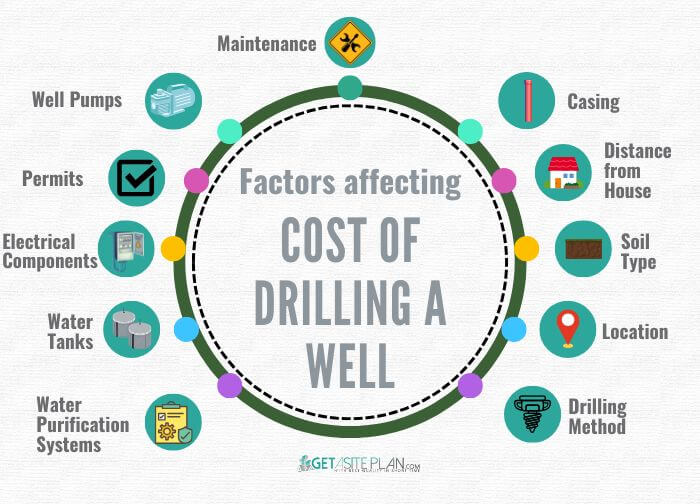 Water Well Drilling Cost | New Well Drilling Cost: How Much Is It To
Here’s another nugget: well water is naturally filtered through rock and sand, which can make it taste better than city water. It’s like nature’s Brita filter, minus the plastic. But beware of hard water—high mineral content can ruin your hair and appliances. A water softener ($1,000 to $3,000) might become your new best friend.
Finally, wells have a lifespan of 30 to 50 years, sometimes longer if you’re lucky. That’s longer than most marriages, and definitely longer than that trendy sofa you bought last year. Treat your well with care: get it tested annually, keep the cover clean, and avoid planting trees too close (roots are sneaky invaders).
A Reflection for Your Daily Life
Standing at your new well, watching water flow from the spigot, you realize something profound: every drop is earned. Not by a utility company, but by the earth and your choice to dig deep. It’s a small rebellion against the monthly bill, a quiet act of independence. In a world of subscriptions and algorithms, a well is a reminder that some things are still fundamentally simple—and worth the investment.
So next time you’re filling a glass with water, think about the journey it took: from rain to rock to pipe to you. That’s better than any netflix series plot twist. And if you’re still on the fence, remember: you can’t negotiate with a drought. But you can drill your way to a little more freedom, one foot at a time.
