What Is The Ph Level Of Pure Water

Let's talk about water. The stuff you drink, shower in, and occasionally splash on your face when you're trying to wake up. You probably don't give its pH level a second thoug...

Let's talk about water. The stuff you drink, shower in, and occasionally splash on your face when you're trying to wake up. You probably don't give its pH level a second thought. But trust me, it’s a rabbit hole of pure, nerdy goodness.
The Big, Numbered Answer
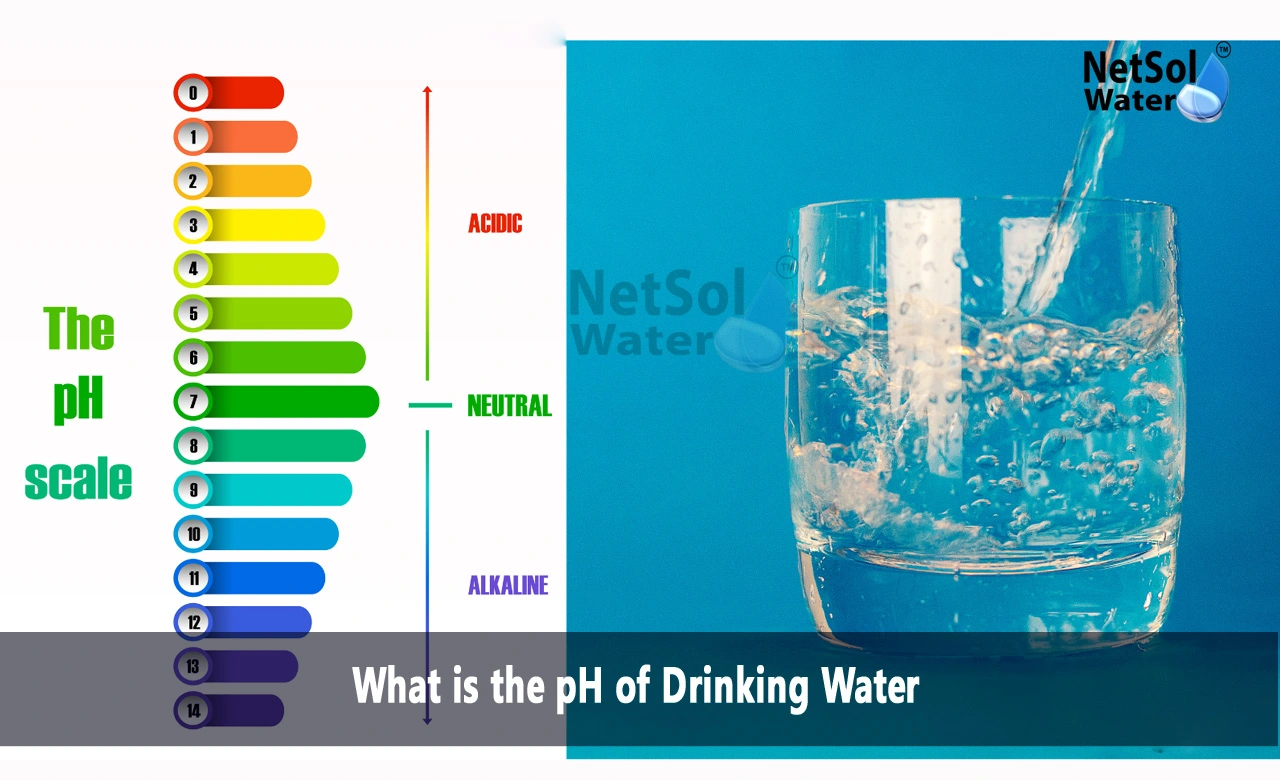
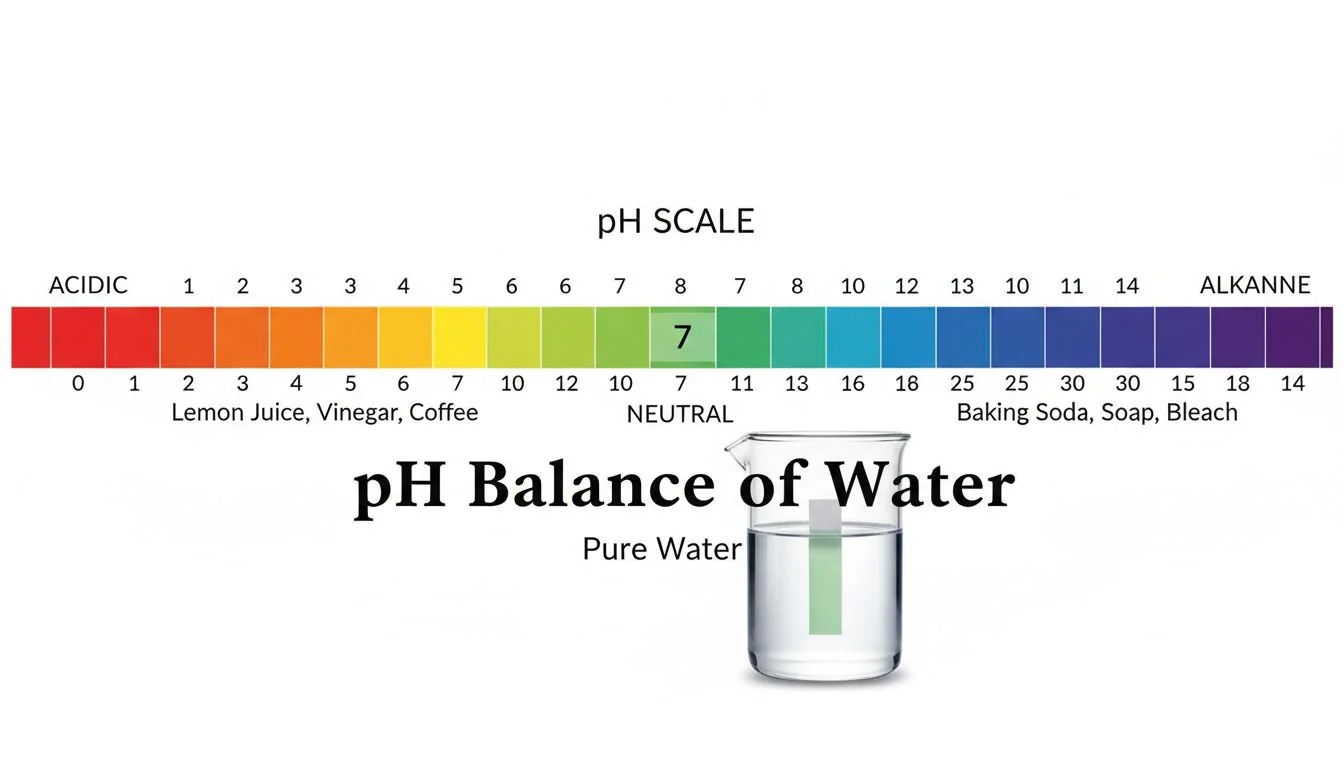
First, the straight dope: pure water has a pH of 7 at 25°C (room temperature). That's the textbook answer, and it's as refreshingly neutral as a Tuesday afternoon.
Think of it as the Switzerland of the liquid world. It’s not acidic (like lemon juice that makes you pucker) and it’s not basic (like bleach that smells like a swimming pool). It’s just… water. Subtle, quiet, and perfectly balanced.
Must Read
What "Neutral" Actually Means
Here’s the funny part. "Neutral" doesn't mean boring. It means the number of hydrogen ions (H+) and hydroxide ions (OH-) are holding hands in perfect harmony. They’re like a couple that never argues.
If you crank up the H+, the water becomes acidic (and your stomach churns). If you boost the OH-, it becomes basic (which is great for cleaning, bad for drinking). Pure water just sits there, cool as a cucumber, refusing to pick a side.
It’s the liquid equivalent of a shrug and a soft "I dunno, man."
But Wait—Purity Is a Myth
Here’s where your kitchen sink comes in. The water from your tap is never a perfect 7. It’s usually a 6.5 to 8.5, because it’s packed with minerals, chlorine, and the ghosts of old pipes.
Think about that glass you just drank. It’s a chaotic cocktail of calcium, magnesium, and maybe a hint of garden hose. Pure water is like that one friend who eats only plain rice—it's theoretically ideal, but nobody actually lives like that.
Even the "pure" water in a lab has a secret. Once you open the bottle, it absorbs carbon dioxide from the air. This creates carbonic acid, dropping the pH to around 5.5. It becomes a little sour, like a whisper of a joke.
 What is the pH of Drinking Water
Why Your Coffee Tastes Different
Ever notice how coffee from one house tastes better than another? It’s not just the beans. It’s the water’s pH. If your water is slightly basic (hard water), your coffee will taste flat and harsh.
But if the water is slightly acidic (like that CO2-infused lab water), it extracts different flavors from the grounds. You might get a bright, citrusy note. Or a metallic aftertaste that makes you question your life choices.
It’s water’s sneaky way of messing with your morning routine. Water is the quiet DJ in the background, deciding the vibe of your breakfast.
The Pool Problem
Remember that one summer when you opened your eyes underwater in a swimming pool and everything burned? That’s because the pool's pH was way off. It was probably too high (too basic) or too low (too acidic).
Your eyes are like a delicate pH meter. Pure water would feel like nothing—just a gentle, watery hug. But pool water? That’s a chemical mosh pit. Your tear ducts scream, "What is this madness?!" And you crawl out looking like a sad tomato.
So next time you flinch from pool water, thank the universe for your tap water’s non-traumatizing neutrality.
 Mineral-Rich vs Ultra-Pure Water: What's Best for You?
The Aquarium Anecdote
I once had a goldfish named Boris. Boris was a tough little guy, but he had opinions. If I changed his water with stuff from the garden hose, he’d sulk at the bottom of the tank like a moody teenager.
Why? Because the hose water had a pH of 8.2 (thanks to local limestone). Boris preferred a slightly acidic 6.8. I was basically giving him a bubble bath of baking soda.
I switched to filtered water (pH 6.9), and Boris perked up. He swam loops. He flexed his fins. Moral of the story: water’s pH is the difference between a thriving fish and a grumpy, floating potato.
The Final Gulp
So what’s the pH of pure water? It’s a perfect 7—in a vacuum, in a dream, in a chemistry textbook. In real life, it’s a wild party of numbers.
But that’s the beauty of it. Water is the ultimate chameleon. It adapts to your pipes, your coffee, your fish, and your eyes. It’s the friend who shows up to every party and fits right in.
Next time you guzzle a glass of water, pause for a second. Imagine those hydrogen ions doing a little dance. And then remember: 7 is just the starting point. The rest is a story you live through every sip.
Cheers to neutrality. It’s way more interesting than it sounds.
