What Is Coliform Bacteria In Water

Let’s talk about something that sounds a bit scary but is actually a fascinating little story about your water. You’ve probably heard the term “coliform bacteria” and worried...
Let’s talk about something that sounds a bit scary but is actually a fascinating little story about your water. You’ve probably heard the term “coliform bacteria” and worried it means your tap is a science experiment gone wrong. But here’s the truth: it’s more like a secret message from your plumbing, and understanding it makes you a water detective.
Wait, What Is Coliform Bacteria?
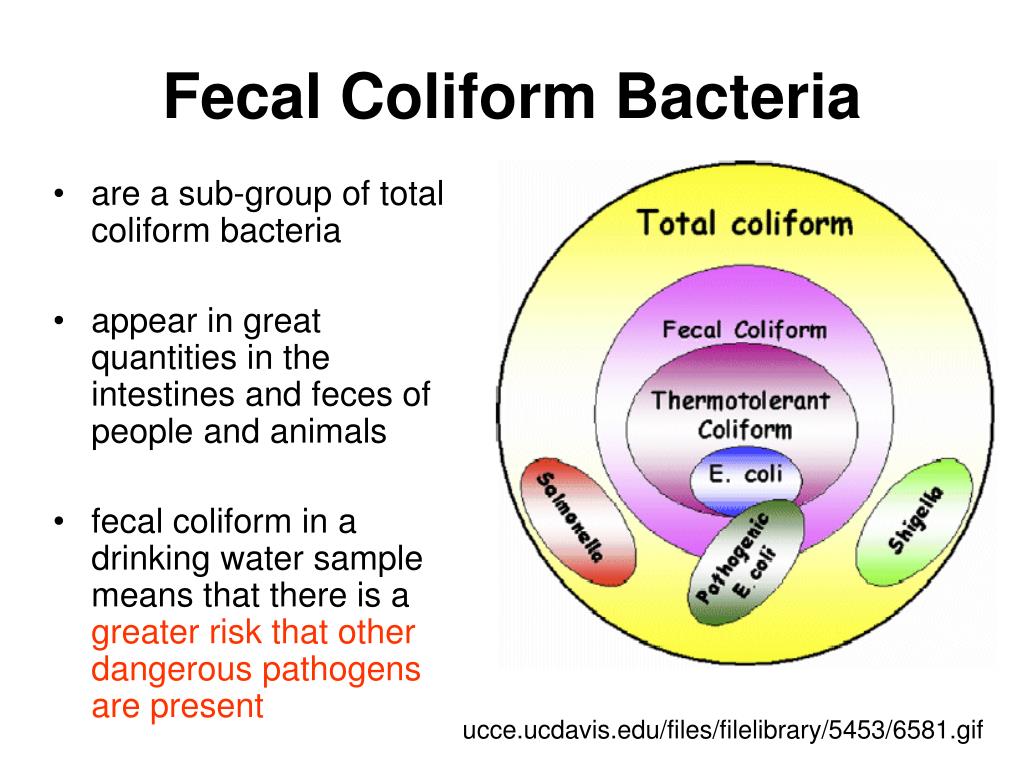
Coliform bacteria are a big, friendly family of microbes that live in the environment—soil, plants, and even your own gut. Think of them as the post-it notes of water testing: they don’t always cause sickness, but their presence tells you something important.
You see, most coliforms are harmless. They are like the neighbors who drop by just to say hi. But when water tests find them, it’s a signal that other, nastier germs might have found a way in, too.
Must Read
The Real MVP: Indicator Bacteria
Here’s the fun part: coliforms are the secret agents of water safety. They act as an “indicator”—if they show up, it suggests a pathway from the outside world into your water supply. Think of it this way: if you see a single ant in your kitchen, you don’t panic about the ant—you worry about the crumbs it found.
That’s why experts test for coliforms first. It’s a cheap, fast way to check if your well or pipe has a tiny crack or a dirty leak. No ant? No crumbs. No coliforms? Usually no trouble.
But… Is It Dangerous?
Here’s where the story gets juicy. A coliform-positive result doesn’t mean you drank a villain’s brew. Many people drink water with low levels and feel totally fine. The real concern is that coliforms are gatekeepers—they warn you that other troublemakers, like E. coli O157 or giardia, could be crashing the party.
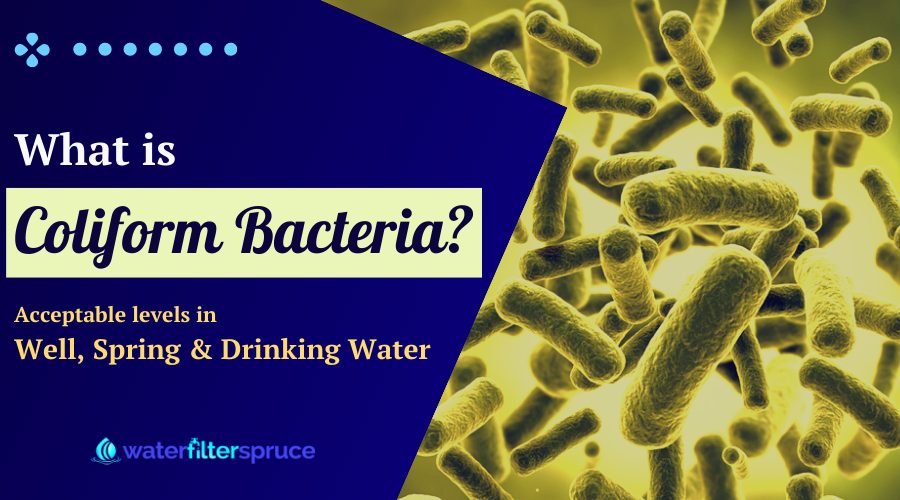 Coliform Bacteria in Water: Safe Levels for Well Water, Spring Water
So when your water test says “coliform present,” it’s not a horror movie—it’s a to-do list. Boil your water for a day, fix that old pipe, or disinfect your well. And boom—you’re back to hydration heroics.
Why This Makes Life More Fun
Look, I know “bacteria testing” doesn’t sound like a dance party. But think about it: you are now the person who listens to your water. You’re like a cat with super-sensitive whiskers, sensing the invisible world. How cool is that? You’re one step closer to being a citizen scientist.
Plus, every time you take a sip after fixing a coliform issue, you learn to trust your home’s hidden systems. It’s a small victory—like finally figuring out why your car makes that funny noise.
The Lighter Side of a Leaky Well
Here’s a little secret: even perfectly lovely water can have coliforms after a rainstorm. It’s nothing personal. The bacteria are just trying to get cozy in your well casing. They’re not evil—they’re just the U.S. Postal Service of the microbial world, bringing you a notice.
 Quick Guide: Coliform Bacteria in Well Water – Tap Score
So when you see a test result, don’t panic. Say, “Ah, my water is communicating with me.” Then grab a water filter, call a plumber, or simply boil for a minute. You’re now the boss of the situation.
Ending on a Sparkling Note
Here’s the uplifting truth: your curiosity about coliform bacteria is a superpower. Most people ignore their water until it tastes like pennies. But you? You’re diving into the invisible world, turning a boring test into a tiny adventure.
So keep asking questions. Keep testing your well. Every glass of clean water is a high-five to your own vigilance. And the next time you hear “coliform” at a dinner party—yes, these come up—you can smile, sip your water, and say, “Ah, yes, the friendliest indicator of a happy, healthy home.”
Cheers to being a water whisperer! Your H2O is listening.
