How To Test Water Hardness At Home

You step out of the shower, skin feeling tight, hair looking a little lifeless. Then you notice the cloudy spots on your freshly washed glasses. Chances are, you’re living wit...

You step out of the shower, skin feeling tight, hair looking a little lifeless. Then you notice the cloudy spots on your freshly washed glasses. Chances are, you’re living with hard water.
Hard water is simply water that’s high in dissolved minerals—mostly calcium and magnesium. It’s not dangerous, but it’s annoying, causing scale in pipes, dull laundry, and that squeaky-clean feeling that’s actually just mineral residue.
The good news? You don’t need a chemistry degree or a pricey kit to find out what’s flowing from your tap. A few simple at-home tests can reveal your water’s personality in minutes.
Must Read
The Classic Shake Test (aka The “Soap Suds” Method)
Grab a clean, clear plastic bottle with a tight lid. Fill it about one-third full with tap water, then add five drops of pure liquid dish soap—not detergent, just basic soap.
Secure the lid and shake vigorously for about ten seconds. Now, watch what happens. If the water turns cloudy and the foam disappears quickly, you’ve got hard water.
Soft water, on the other hand, will produce a thick, fluffy layer of suds that sits on top like a cloud. It’s almost too easy—but science confirms this test works because soap reacts with calcium to form soap scum.
The Water Spot Whisperer
Your windows and mirrors are actually telling you a story. Next time you wash a glass dish, let it air dry completely without wiping it.
If you see white, chalky spots or a hazy film, that’s calcium carbonate residue left behind when hard water evaporates. It’s the same stuff that builds up in your coffee maker and kettle.
Fun fact: in some ancient Roman cities, they actually celebrated hard water deposits on aqueducts as a sign of purity. Today, we just call it “the scourge of sparkling clean dinnerware.”
 A Guide For How To Test Water Hardness – JFFA
The Tube Trick (For the Curious)
Take a clear, flat-bottomed glass or a clean plastic tube. Fill it halfway with tap water, then add a single drop of liquid soap—no shaking yet.
Place a straw in the water and gently blow through it to create bubbles. If the bubbles pop almost immediately, you’re dealing with hard water. Soft water bubbles will linger like a lazy Sunday morning.
This test works because the minerals in hard water literally fight against bubble stability. It’s a tension-filled drama happening right in your glass.
The DIY Hardness Strips (Go Low-Tech)
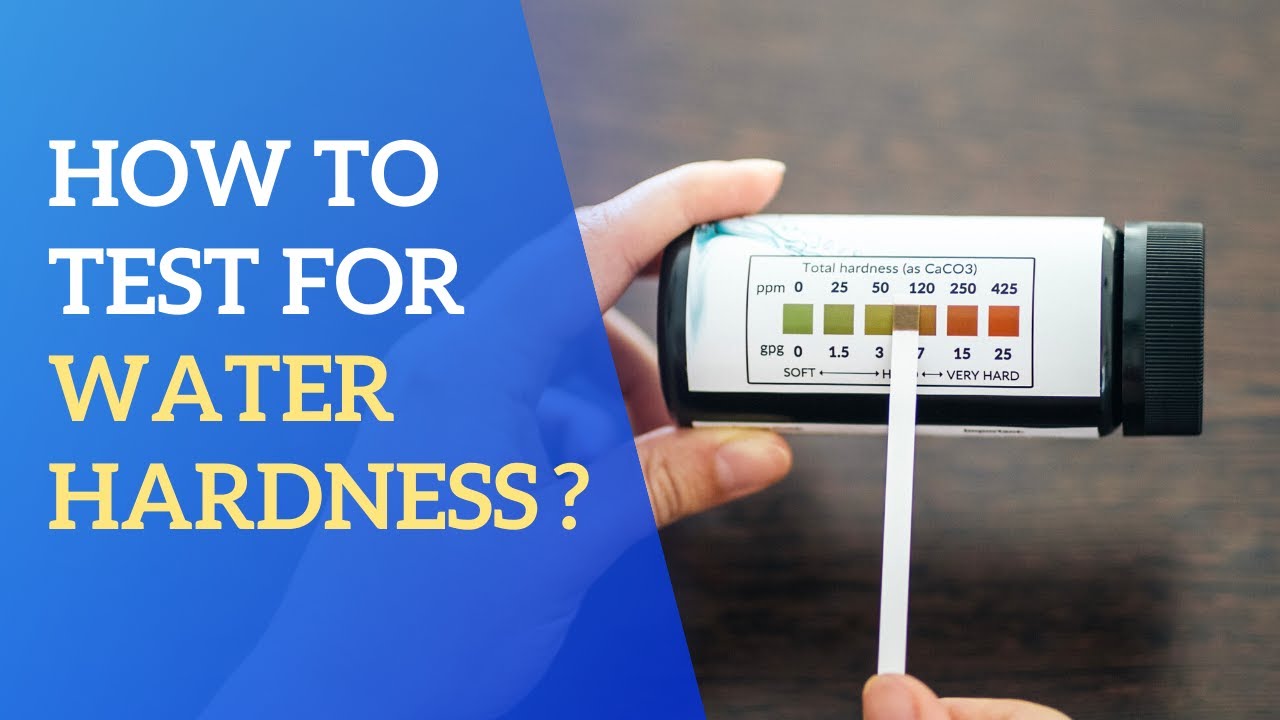
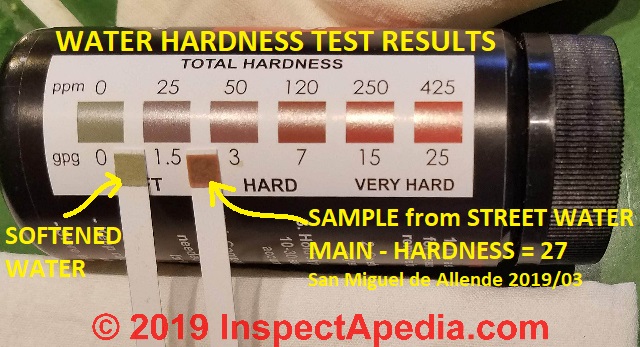
If you want a numerical readout, you can buy home water hardness test strips at any hardware store or online for under ten dollars. They work just like pool test strips—dip, wait, and compare colors.
The chart usually shows grains per gallon (gpg). Zero to 1 gpg is soft, 1–3.5 is moderately hard, and anything above 7 gpg is very hard—think “might need a dedicated water softener.”
Fun cultural note: in parts of the American Southwest, water hardness often hits 20+ gpg. Residents there joke that you could use their tap water to chisel a sculpture.
 How to test household water hardness levels accurately | Cleaner-Kenya
What Your Results Mean for You
If your tests show hard water, don’t panic. You just need to adjust your habits: use slightly less soap (it lathers poorly, so we often over-pour), install a showerhead filter, and regularly descale your kettle with vinegar.
For the absolute best results, consider a whole-house water softener or a countertop filter. But for many, simply knowing the why behind the spots makes the morning coffee taste a little smarter.
And if your water tests as soft? Congratulations—you’re living in a spa-like reality. Your skin, hair, and appliances are probably thanking you silently.
A Little Reflection to Rinse Off With
Testing water hardness might feel like a minor household curiosity, but it’s really about understanding what touches you every single day. Water is the most intimate element in your home—it bathes you, hydrates you, and washes everything you love.
When you know whether your water is “hard” or “soft,” you stop fighting against it. You choose the right soap, protect your pipes, and maybe even forgive those spots on the wine glasses.
So go ahead, shake that bottle, stare at your drying dishes, and blow some bubbles. Your water has been trying to tell you its secret for years. Now you know how to listen.
