How To Check Water Quality At Home

Let’s be honest—water is the unsung hero of your morning coffee, your post-run shower, and that questionable houseplant you’re still keeping alive. But how often do you actual...
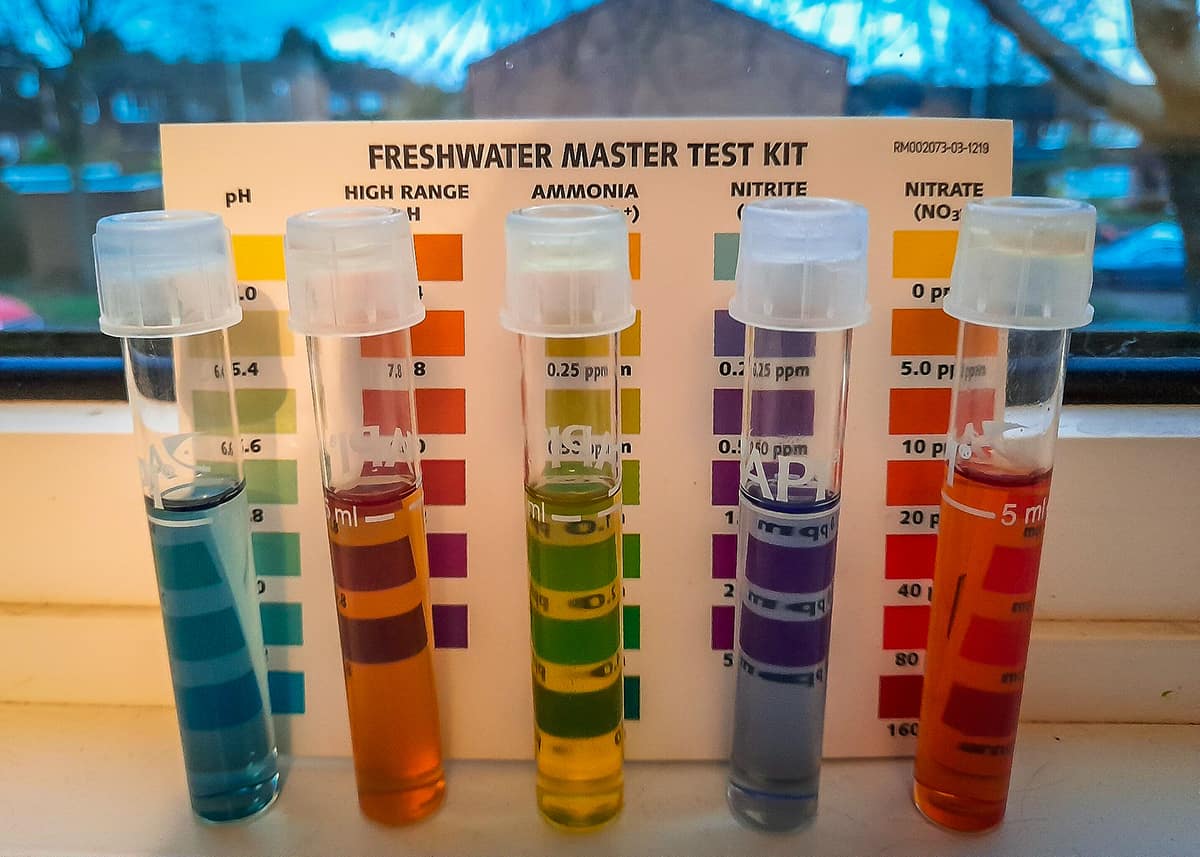
Let’s be honest—water is the unsung hero of your morning coffee, your post-run shower, and that questionable houseplant you’re still keeping alive. But how often do you actually think about what’s flowing from your tap? Whether you’re a city-dweller with a vintage pipe system or a suburbanite reliant on a well, checking your water quality at home is easier than you think—and frankly, it’s a satisfying little ritual.
Why You Should Care (Spoiler: It’s Not Just About Taste)
Water that looks crystal clear can still host a secret party of contaminants. Think lead, chlorine, or even bacteria that your taste buds can’t detect. The EPA regulates public water, but older pipes can add a dash of heavy metal to your morning smoothie. And private wells? They’re completely on you—no government taste-tester involved.
Plus, good water makes for better tea, clearer skin, and happier appliances. Your kettle will thank you for not coating itself in scale. So let’s turn your kitchen into a mini lab—no lab coat required.
Must Read
Step One: The Sensory Check (Your Nose and Eyes Are Free Tools)
Start with the basics: smell and color. Fill a clean glass and sniff it. A bleach-like scent often means chlorine—common in city water but annoying for taste. A rotten egg smell? That's usually hydrogen sulfide, a polite way of saying “something’s off underground.”
Now hold the glass up to natural light. Cloudy or milky water might mean air bubbles (harmless after a minute), but persistent haze could signal sediment. Pro tip: Let the water sit for 24 hours—if a layer of sludge appears at the bottom, you’ve got particles worth investigating.
Fun fact: Ancient Romans tasted their water for quality, and they also added lead to sweeten it. Let’s not follow their recipe.
Step Two: The DIY Test Kits (No Chemistry Degree Needed)
Head to your local hardware store or Amazon and grab a home water test kit. They cost about the same as a fancy latte and test for the big five: pH, hardness, chlorine, nitrates, and bacteria. Most kits come with color-changing strips—just dip, wait, and compare to a chart. It’s like a Harry Potter potions class, but for grown-ups.
For a deeper dive, order a mail-in lab test. You fill a vial, mail it off, and get a detailed report in a week. This catches obscure things like pesticides, arsenic, or radon—especially important if you have a well in agricultural territory.
 How to Test Drinking Water at Home: A Step-by-Step Guide - Cultivator
Cultural note: In Japan, some families boil water and then cool it for a “taste check” ritual called mizukiri—a mindfulness practice that doubles as a quality test. Slow down, friend.
Step Three: The Hard Truth About Hard Water
Hard water—high in calcium and magnesium—isn’t dangerous, but it’s a menace for your hair and plumbing. White crusty deposits on your faucet? Soap that won’t lather? That’s hard water. Test for it with a hardness strip, which uses a scale from soft (0-60 ppm) to very hard (over 180 ppm).
A quick fix: Add a showerhead filter for your skin, or a whole-house water softener if you’re committed. I once visited a home in London where the water was so hard, the owner called his kettle “a geological disaster.” He wasn’t wrong.
Fun fact: Hard water actually tastes better to some people—minerals add a subtle “mouthfeel.” But it’s a love-it-or-hate-it vibe.
Step Four: The Bacteria Boogie (And When to Panic)
If your water smells like sulfur (that rotten egg again) or if you’ve seen a boil-water alert, you need a bacterial test. Some kits include agar plates—you spread a water sample on the gel and wait 48 hours. If fluffy yellow or pink colonies form, that’s bacteria saying “hello.”
Don’t freak out: Most surface bacteria are harmless, but E. coli isn’t a party guest you want. Test for it separately, especially after heavy rain or if your well is near a septic tank. Ever heard of the Lead and Copper Rule? It’s a 1991 U.S. regulation, but if your pipes are from the ’70s, you’re still the test subject.
 How to Test Water Quality at Home: Your Complete Guide – World Water
Practical tip: Flush your pipes for two minutes in the morning before drinking—stagnant water is a bacteria buffet.
Step Five: The App Revolution (Your Phone Knows H2O)
Yes, there’s an app for that. MyWater and Tap Safe let you log test results and compare to local standards. Some smart sensors (like the grab-and-go WaterGuru) connect to Wi-Fi and text you when your pool or tap water needs a tweak. It’s water quality for the TikTok age.
But honestly, the low-tech approach is charming: Keep a clean mason jar in your fridge for a visual check every week. If the water starts looking or smelling different, you’ll spot it instantly. A common saying in rural Vermont: “Know your water like you know your neighbor—check on it every season.”
Pop culture nod: In Breaking Bad, Walter White tests his RV’s water chemicals—but you should aim for a less dramatic outcome.
Final Reflection: The Glass in Your Hand
Water quality isn’t just a science project—it’s a daily connection to your home, your health, and the earth. That cool glass you sip before bed? It traveled through pipes, past treatment plants, and through your own curiosity. Testing it is a small act of care, like flossing or calling your mom.
Once you know your water is clean, you drink it with more intention. And that makes every drop taste a little better—even if it’s just tap water from a plastic cup. Stay curious, stay hydrated, and remember: the best water is the water you trust.
