How To Prepare Water For Fish Tank

Let’s be honest—setting up a fish tank feels a bit like hosting a tiny, underwater house party for guests who are perpetually judging you. You’ve got the tank, the gravel, the...
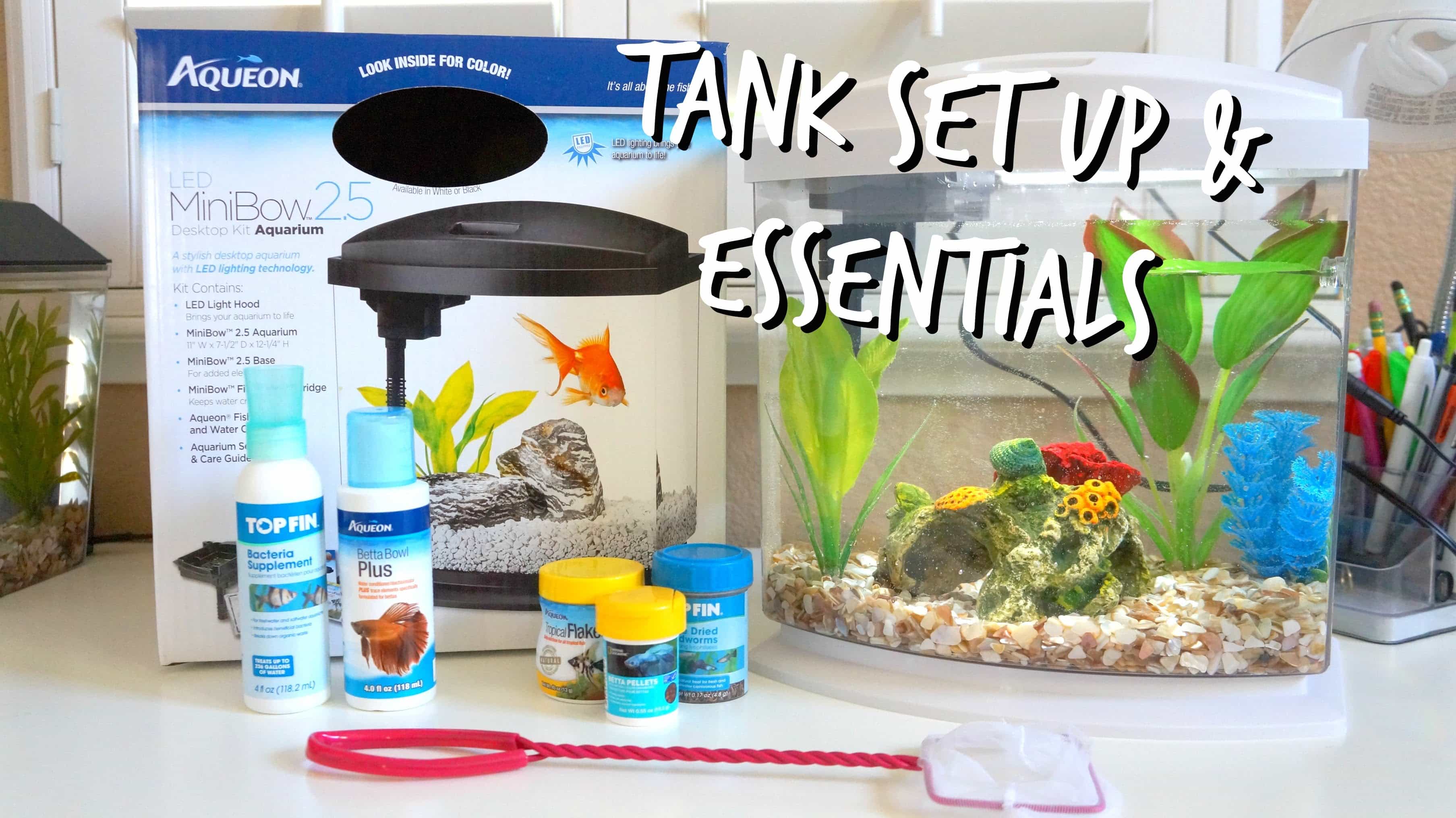
Let’s be honest—setting up a fish tank feels a bit like hosting a tiny, underwater house party for guests who are perpetually judging you. You’ve got the tank, the gravel, the plastic castle. But then comes the water, and suddenly you realize you’re not just a pet owner; you’re a mad scientist with a bucket. Don’t panic. Preparing water for fish is way easier than convincing your cat to use the toilet.
First, never—and I mean never—just turn on your tap and fill the tank like you’re making a giant glass of iced tea. Tap water is basically a chemical cocktail that includes chlorine, chloramine, and other stuff that makes your fish feel like they’re swimming in a swimming pool at a theme park. If you dump that in, your fish will look at you like you just served them a mojito made of bleach.
The Dechlorinator: Your Fish’s Best Friend
You need a product called a water conditioner, or dechlorinator. Think of it as the antidote to the poison your municipal water department so generously provides. You just add a few drops to your bucket of tap water, and poof—the chlorine vanishes faster than your motivation to clean the bathroom.
Must Read
I once forgot to add dechlorinator and watched my betta fish, Sir Floats-a-Lot, sulk at the bottom of his bowl for an entire afternoon. He literally turned his back on me. Never skip this step. Your fish will hold a grudge.
Temperature: The Goldilocks Zone
Fish are not like you and me—they don’t enjoy a lukewarm shower or a sudden ice bath. They are delicate little divas who need the water to be within a specific temperature range. If you pour cold tap water into a warm tank, your fish will look at you like you just dropped them into a polar bear plunge.
Get a thermometer. Aim for about 76–80°F (24–27°C) for most tropical fish. Let your water sit in the bucket for a few hours until it matches the tank’s temperature. Or, use a heater in the bucket. I’ve seen people warm water by holding a plastic bottle under hot tap water, which is the fish equivalent of microwaving a popsicle. Don’t do it.
Aging Water: The Art of Patience
This is where things get a little zen. Fresh tap water—even after dechlorinating—is still like a brand-new white shirt: stiff and weird. You need to age it. Let the water sit in a clean bucket (covered, so your curious cat doesn’t take a bath) for at least 24 hours.
 Make water flow continuously in fish tank and filter fish tank - YouTube
During that time, the dissolved gases like carbon dioxide escape, and the water “relaxes.” It’s like leaving a bottle of wine open for a while—except you’re not drinking it, and it smells vaguely of Monday morning. I once tried to rush this step and my neon tetras did a synchronized swimming routine that looked suspiciously like a protest.
The Buffer Zone: pH and Hardness
Now, for the jargon that makes you sound science-y. pH measures how acidic or basic your water is. Most fish from the pet store grew up in water with a pH around 6.5 to 7.5. If your tap water is wildly different, you’ll need to adjust it using buffers or a reverse osmosis system.
But honestly? Don’t overcomplicate it unless your fish are super fancy. Your average goldfish or guppy can adapt to tap water as long as the pH isn’t swinging like a pendulum. Just test it with a cheap kit. If it’s in the safe zone, relax. If not, you can add a little driftwood or crushed coral—like adding a pinch of salt to a recipe, but for fish.
The Big Pour: Do It Gently, Like a Friend Hugging a Baby
When you finally pour the prepared water into the tank, don’t just dump it. Use a cup or a siphon hose. Slowly let the water trickle in. If you sploosh it in, you’ll stir up the substrate and your fish will think a tornado just hit their living room.
:strip_icc()/saltwater-aquarium-setup-2925685-a981f3ac73aa41739083e7fe702f26b5.jpg) Essential Steps for Successfully Starting and Maintaining a Saltwater
Essential Steps for Successfully Starting and Maintaining a Saltwater
I once made this mistake and my angelfish, Mr. Grumpy, immediately swam to the corner and gave me the fisheye—literally. He didn’t blink for three days. Pour like you’re serving tea to a grandmother, not like you’re watering a lawn.
Quarantine Bucket: The Bonus Tip
If you’ve got a quarantine tank (and you should, because new fish are like strangers with hidden snot), prepare its water the same way. Use the exact same temperature and conditioner. It’s like prepping a guest room for a friend who might have the sniffles.
I skipped this once and introduced a platy with a secret illness. Within a week, my whole tank looked like a fishy ER. The quarantine bucket is not optional—it’s like a helmet for your aquarium’s health.
The Final Sip: Enjoy the Calm
Once your tank is full and the filter is bubbling, sit back and watch your fish swim through the crystal-clear water. That weird, nervy feeling? It’s gone. You’ve become a water wizard. Your fish will never know you spent twenty minutes Googling “fish sad after water change.”
And if something still feels off? Blame the water heater. That’s my go-to excuse. Or the cat. The cat is always a good scapegoat. Just remember: patience, dechlorinator, and a gentle pour. Your fish will thank you by not staring at you with silent judgmental eyes. Mostly.
