How To Know If You Have Hard Water

So, there I was, last Tuesday. I was brewing my morning coffee, the one life-giving ritual I refuse to compromise on. I poured the water into my pristine, glass carafe—and it...
So, there I was, last Tuesday. I was brewing my morning coffee, the one life-giving ritual I refuse to compromise on. I poured the water into my pristine, glass carafe—and it looked like a tiny, fizzy snow globe had exploded inside. A film of white, cloudy sediment was dancing on the surface. I nearly cried. My coffee was ruined, and I had just discovered the culprit: hard water. (Honestly, it felt like a personal betrayal from my own plumbing).
You might be living with this same silent saboteur right now, and not even know it. Hard water isn't a health hazard—your bones will thank you for the calcium—but it is a nuisance. It’s the mineral buildup (mostly calcium and magnesium) that your local water supply picked up from traveling through the ground. Think of it as the water’s way of being too rich in minerals.
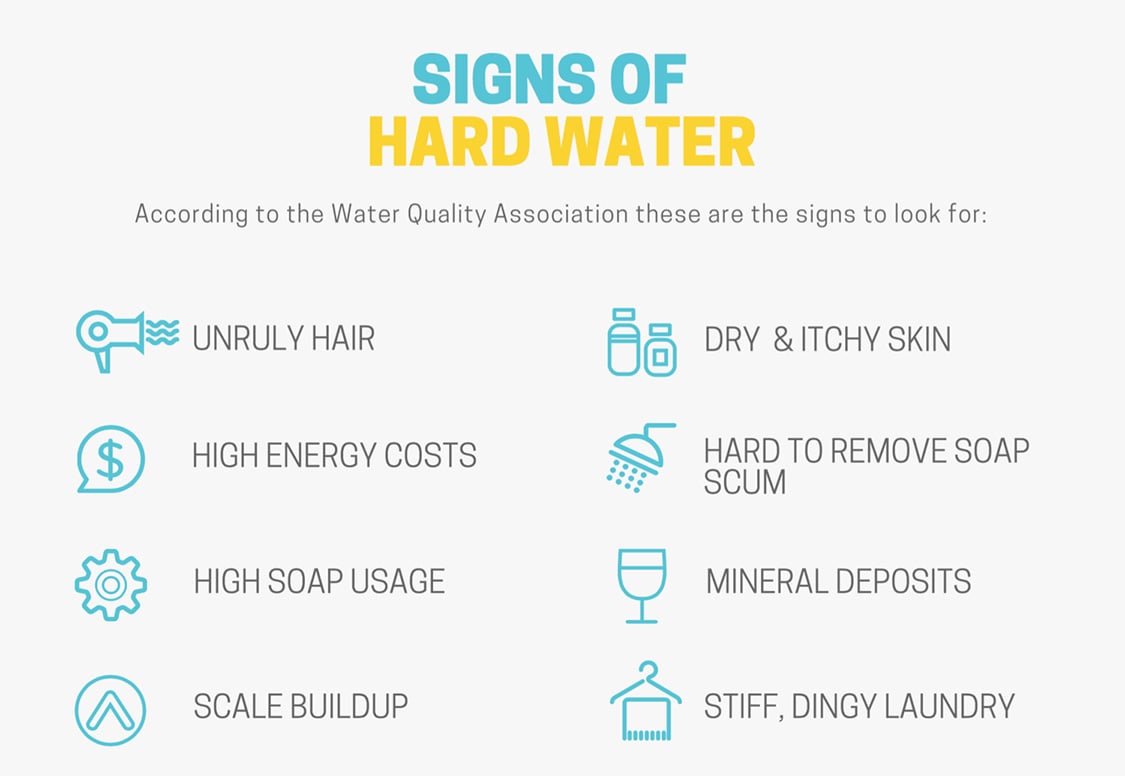
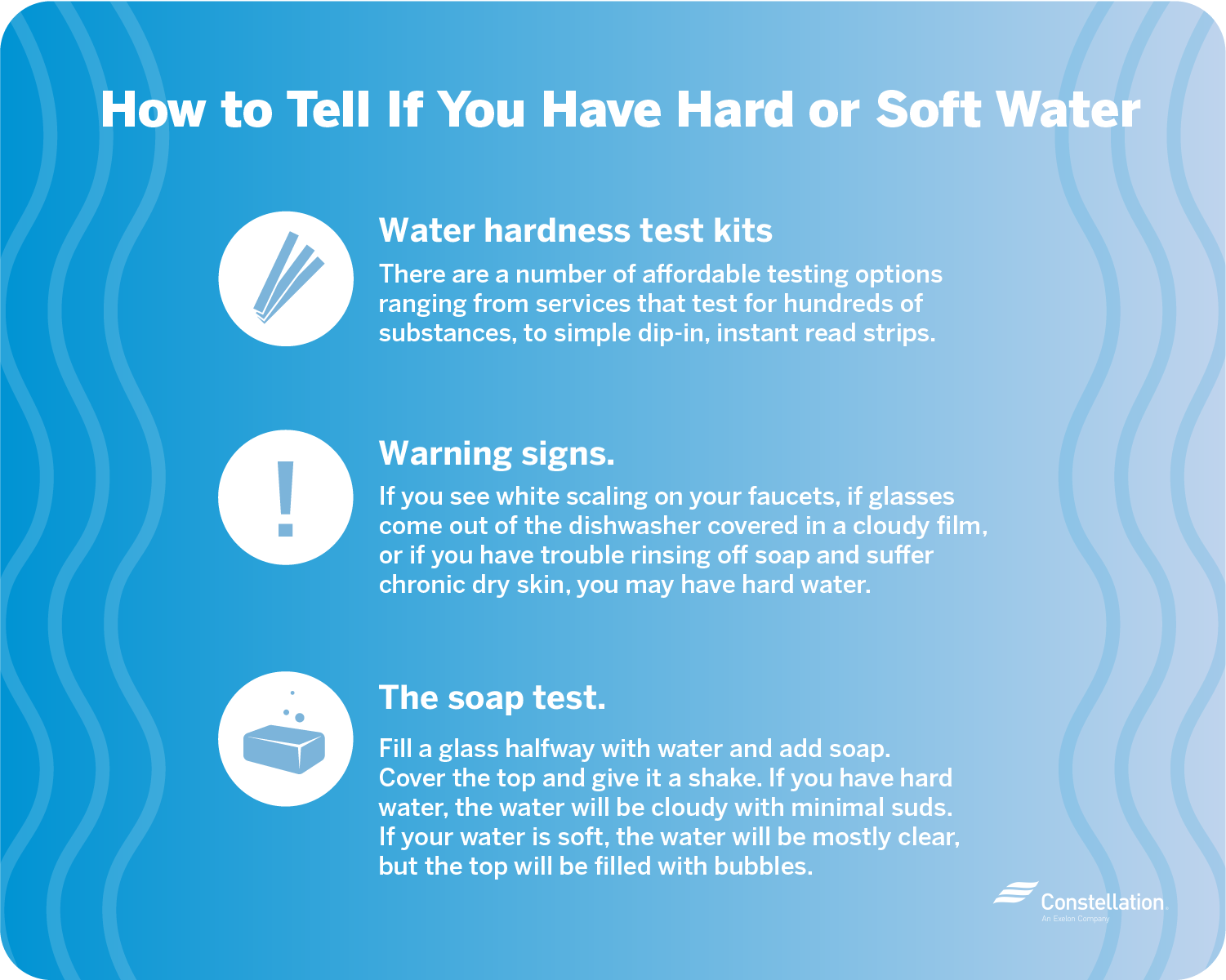
So, how do you know if you’re dealing with this mineral menace? Look at your glassware. If you pull out a supposedly clean wine glass from the cabinet and it looks like it has a permanent, milky film or weird spots after drying, that’s a dead giveaway. That film isn't dirt—it’s the dried-up minerals clinging to the surface.
Must Read
Now, step into your bathroom. (I know, I’m asking a lot before you’ve even had a proper coffee). After you shower, does your skin feel tight, squeaky, and a little itchy? That’s not freshness—that’s a mineral residue blocking your pores. (Your fancy lotion is basically fighting a losing battle against a layer of rock dust).
Check your hair next. If your shampoo doesn’t lather well, or if your hair feels sticky, dull, or strangely brittle even after conditioning, hard water is the likely villain. It creates a soap scum that clings to your hair shaft. It’s the reason your expensive shampoo feels like a cheap, watery mess.
 What Is Hardness in Water? | Hall's Culligan Water
Don’t forget your appliances. Look at the spout of your coffee maker or the inside of your kettle. Do you see a white, crusty, chalk-like build-up? That’s scale. (It’s also why your kettle sounds like it’s boiling rocks). In extreme cases, that scale can shorten the life of your washing machine and dishwasher.
Let’s talk about soap. Not the fancy bar soap, but the actual suds. Hard water hates soap. It refuses to dissolve it properly. You find yourself using a ton of soap just to get a few bubbles. And that ring in your bathtub? That’s the soap teaming up with the minerals to form a stubborn, greyish scum. It’s a mineral-soap alliance against your cleaning efforts.
The “Finger Test” for the Brave
Want a quick, slightly gross test? Wet your hands with your tap water, then rub a bit of liquid soap between them. If it feels slimy instead of smooth and sudsy, that’s hard water. The slime is actually the minerals reacting with the soap. (Pro tip: don’t do this with a guest present).
 Why Is There Water In My Soft Water Tank at Jaclyn Glenn blog
What About Your Clothes?
Pull a white t-shirt out of the wash. If it looks a little grey, dingy, or feels stiff, hard water could be the reason. The minerals get trapped in the fabric fibers. (That’s also why your colored clothes might fade faster). The detergent works less effectively, so dirt holds on tight.
So, is there an upside? Honestly, no. Hard water is a pain. But the good news is it’s an easy problem to fix. A simple water softener will swap those annoying calcium ions for friendlier sodium ones. Or you can use a chelating shampoo and a specialized detergent.
At the very least, now you know. You can stop blaming your soap, your hair, or your coffee beans. It’s not you—it’s the water. And trust me, that’s a much easier problem to solve. Now, if you’ll excuse me, I have a kettle to descale. (Again).
