How To Find A Leak Under The Floor

Let’s be honest: finding a leak under your floor is the plumbing equivalent of discovering you’ve been sitting on a wet sponge for three days. It’s sneaky, it’s annoying, and...
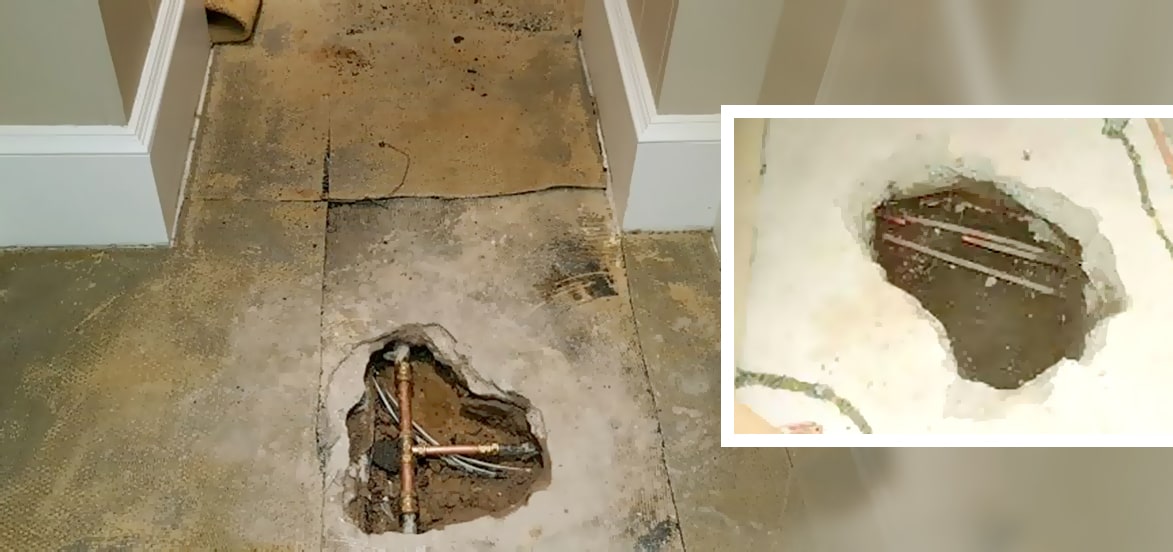
Let’s be honest: finding a leak under your floor is the plumbing equivalent of discovering you’ve been sitting on a wet sponge for three days. It’s sneaky, it’s annoying, and it usually happens right after you’ve just re-caulked the bathtub. But don’t panic. You don’t need a sonar device or a tiny submarine—just a bit of detective work and a willingness to get your hands dirty.
The Telltale Signs You’re Not Just Imagining Things
First, confirm you actually have a leak. A sudden spike in your water bill is the ghost in the machine—unless you suddenly started watering a secret jungle in your living room. Another clue? Your floor feels like a marshmallow when you walk on it, or you hear a faint drippy sound that isn’t your neighbor’s old faucet. If your baseboards are curling like they’re trying to escape, that’s not art—that’s water damage.
Here’s a surprising fact: the average American home loses nearly 10,000 gallons of water each year to leaks. That’s enough to fill a small swimming pool, or, more tragically, to drown your vinyl floor in soggy regret. So yes, you need to find it. But first, take a deep breath. You are not a plumber. You are a water detective.
Must Read
Step 1: Turn Off Everything (Yes, Everything)
Before you start, shut off all water-using appliances. No dishwasher, no laundry, no dramatic showers. Then, go check your water meter. It’s usually a little metal box in your basement or outside—look for the spinning dial. If that dial is moving when everything is off, you’ve got a leak. It’s like your house is sneaking sips of water when you’re not looking. Rude.
But here’s the kicker: the leak could be anywhere—a pipe in the slab, a loose toilet flange, or even a crack in the invisible water line to your fridge’s ice maker. That ice maker? It’s probably plotting against you.
Step 2: The Nose Knows (And the Ear, Too)
Get down on your hands and knees. Yes, in public. This is detective work. Press your ear to the floor like you’re listening for buried treasure. A hissing sound often means a high-pressure pipe leak. A dripping sound? That’s your wallet crying. Follow your ears like a dog follows a hot dog.
If the leak is under a concrete slab, you might not hear much. That’s when you use a trick from plumbers: take a long screwdriver, press the handle against your ear, and touch the tip to the floor. It’s like a stethoscope for your house. You’ll look ridiculous, but you’ll feel like a genius when you hear the whisper of escaping water.
 How To Detect Water Leak Under Concrete at Ali Gallard blog
Step 3: The Paper Towel Test (A Classic)
Dry the floor as best you can. Then, lay down a few sheets of white paper towel in the suspect area. Check them every hour. If the paper gets wet, congratulations—you’ve found the approximate location. If it’s colorful or smells weird, that’s not just water; it’s sewer water. Stop everything. That’s a biohazard, and you need a professional faster than you can say “Yikes.”
Surprising fact: about 1 in 50 homes has a hidden leak that causes structural damage each year. That’s like playing Russian roulette with plywood. So don’t ignore the paper towel.
Step 4: Check the Usual Suspects
Most leaks under floors come from three places: toilet wax rings, sink supply lines, and dishwasher hoses. If your floor is wet near the toilet, wiggle the base. If it moves, the wax ring is probably toast. Replace it. It’s gross but easy—like changing a diaper for your bathroom.
If it’s near the kitchen, trace the dishwasher’s hose. Dishwasher leaks are second only to ice makers in the “Annoying Leak Hall of Fame.” And guess what? That little hose costs about $10. Replacing it can save you from a floor replacement that costs ten times more.
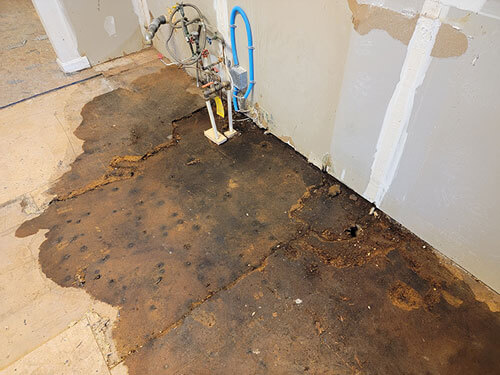 Kitchen Concrete Floor Damage Kitchen Floor Started Sinking Under My
Step 5: When You Need the Big Guns
If you’ve done all this and still no luck, it might be a slab leak. That’s when a pipe under the concrete foundation cracks. You can’t fix that with paper towels. You’ll need a plumber with an acoustic listening device or a thermal camera. They look like Ghostbusters and charge like surgeons—but they’ll save your floor.
Fun fact: some plumbers use helium to find leaks. They inject it into the pipes, and then sniff for it with a special detector. Yes, your house can fart helium. Science is weird and wonderful.
Final Wisdom from a Soggy Veteran
Here’s the truth: finding a leak under the floor is 80% patience, 20% luck. You will get frustrated. You will crawl on the floor. You might even lick a suspicious water spot to see if it’s salty (don’t, it’s gross). But once you find it—maybe by sheer stubbornness—you’ll feel like a hero. And when you fix it, you’ll save hundreds in water bills and thousands in floor repairs.
So grab a flashlight, a paper towel, and your sense of humor. Your floor is waiting. And it’s very thirsty for your attention.
