How To Protect Pipes From Freezing

Ever wonder what happens to the water in your pipes when the temperature takes a nosedive? It’s not just a case of your morning shower being a little chilly. Nope, water actua...
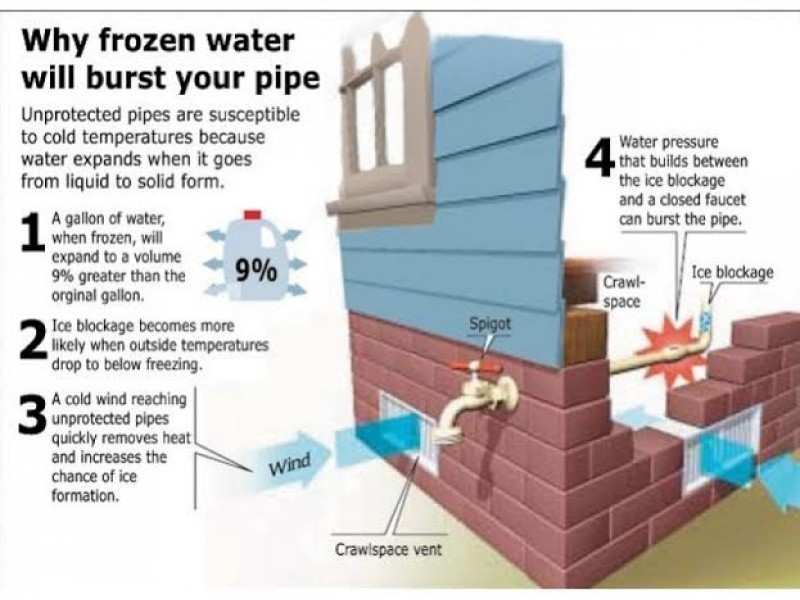
Ever wonder what happens to the water in your pipes when the temperature takes a nosedive? It’s not just a case of your morning shower being a little chilly. Nope, water actually does something pretty cool and destructive: it expands when it freezes.
Think of it like a tiny, relentless army inside your walls. That expansion creates immense pressure, and your pipes—whether they’re copper, PVC, or steel—are just not built for that kind of internal shoving match. The result? A burst pipe, a flooded basement, and a repair bill that nobody wants to see. But the good news is, keeping your pipes cozy is actually pretty simple and kind of fascinating.
Why This Happens (and Why It’s Weirdly Interesting)
Here’s the science bit, but keep it chill. Most liquids get denser as they get colder. Water does the opposite right before it freezes. At around 39°F (4°C), water is at its densest, but as it drops toward 32°F (0°C), it starts to expand by about 9%.
Must Read
That’s like trying to stuff a size-10 foot into a size-8 shoe. The pipe literally has nowhere to go but pop. It’s a physics party, and your plumbing is the unwilling guest. Once you understand this, you realize you’re not just preventing a mess—you’re outsmarting a fundamental law of nature. Pretty cool, right?
The First and Most Obvious Trick: Let It Drip
You’ve probably heard this one: let a faucet drip overnight. It sounds wasteful, but it’s actually the superhero move of pipe protection. Why does it work? Because moving water is much harder to freeze than still water.
Think of a river versus a still pond. A pond freezes over solid, but a river keeps flowing. A tiny, steady drip relieves the pressure buildup in the whole system. It’s not about the water moving fast; it’s about the water moving at all. The constant flow prevents that critical ice block from forming and creating the pressure bomb.
And here’s the kicker: you don’t need a stream. A trickle—about the size of a pencil lead—is enough. Your water bill will barely notice, but your bank account will thank you when you don’t have to call a plumber at 3 AM.
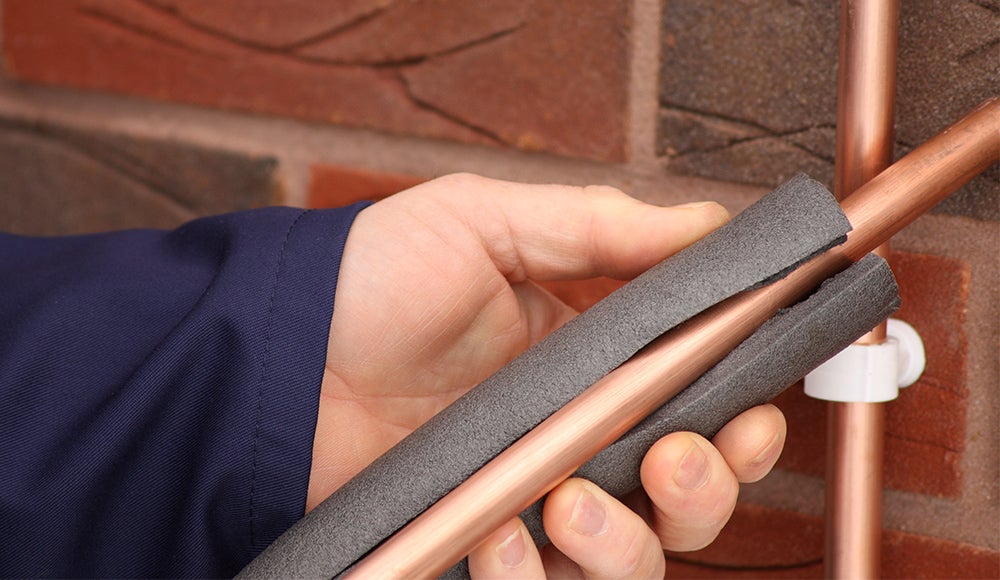 Freezing Water Pipe Insulation
Warm Air is Your Best Friend
Pipes love warmth the way your cat loves a sunny windowsill. The simplest trick is to open the cabinet doors under your kitchen and bathroom sinks. This lets the warm air from your house circulate around the pipes.
It feels a little silly, like tucking your pipes into bed, but it works. If those pipes are up against an exterior wall (which they often are), that cabinet acts like a tiny insulated cave. By opening the doors, you’re breaking that cold barrier and giving your pipes a fighting chance. Just move any household cleaners out of reach of pets or kids first.
Seal the Leaks (Not the Pipe Leaks, the Drafts)
Your pipes aren’t just freezing from the cold outside—they’re freezing from the wind that sneaks in. Feel around your foundation, your crawl space, and where your dryer vent or hose bibs (outside faucets) come through the wall. If you feel a draft, that’s a direct jet of cold air aimed at your plumbing.
Use caulk or expanding foam to seal those holes. It’s cheap, it’s easy, and it’s like putting a winter coat on your house. Insulating your pipes with foam sleeves is another ten-dollar fix that pays for itself instantly. Think of it like giving your pipes a warm, fuzzy sweater—even if it’s made of foam.
 It's safe to say winter is here 😨 Pipes are prone to freezing when it's
The Outside Game: Hose Bibs and Garden Hoses
Your outdoor spigot is the most vulnerable part of your home. It’s literally sticking out into the freezing air. The number one mistake people make is leaving a garden hose attached. Water gets trapped in the hose, freezes, and then shoves the freeze back into the pipe inside your wall.
Disconnect the hose. Every single time, before winter hits. Then, shut off the water valve for that spigot from inside your house (if you have one), and open the outdoor spigot to let any remaining water drain out. It takes 30 seconds and it’s the single most effective thing you can do. Your future, dry-basement self will high-five you.
When the Worst Happens (But Let’s Be Smart)
So you wake up and turn on the faucet, and nothing comes out. Don’t panic. First, keep the faucet open. As the ice melts, the water needs somewhere to go, and the open faucet relieves pressure.
Then, apply gentle heat. Use a hair dryer (on low), a space heater (kept a safe distance away), or hot towels wrapped around the pipe. Never use a blowtorch or open flame. That’s how you trade a frozen pipe for a house fire. Be patient—thawing can take a while. If you can’t find the frozen spot, or if a pipe has already burst, call a pro immediately and shut off your main water valve.
It’s a bit of a dance, this winter prep. But honestly? A little bit of warm air, a gentle drip, and a disconnected hose are all it takes to keep your home’s circulatory system happy all season long. Stay cozy out there.
