Why Does My Tap Water Look Cloudy

You’re standing at the kitchen sink, glass in hand, and suddenly your tap water looks like a milky, miniature cloud. It’s not exactly the clear, invigorating stream you were e...

You’re standing at the kitchen sink, glass in hand, and suddenly your tap water looks like a milky, miniature cloud. It’s not exactly the clear, invigorating stream you were expecting from your morning hydration ritual. Before you call the plumber or join a local conspiracy group, take a breath: that cloudy appearance is almost always harmless—and surprisingly common.
The Science Behind the Haze
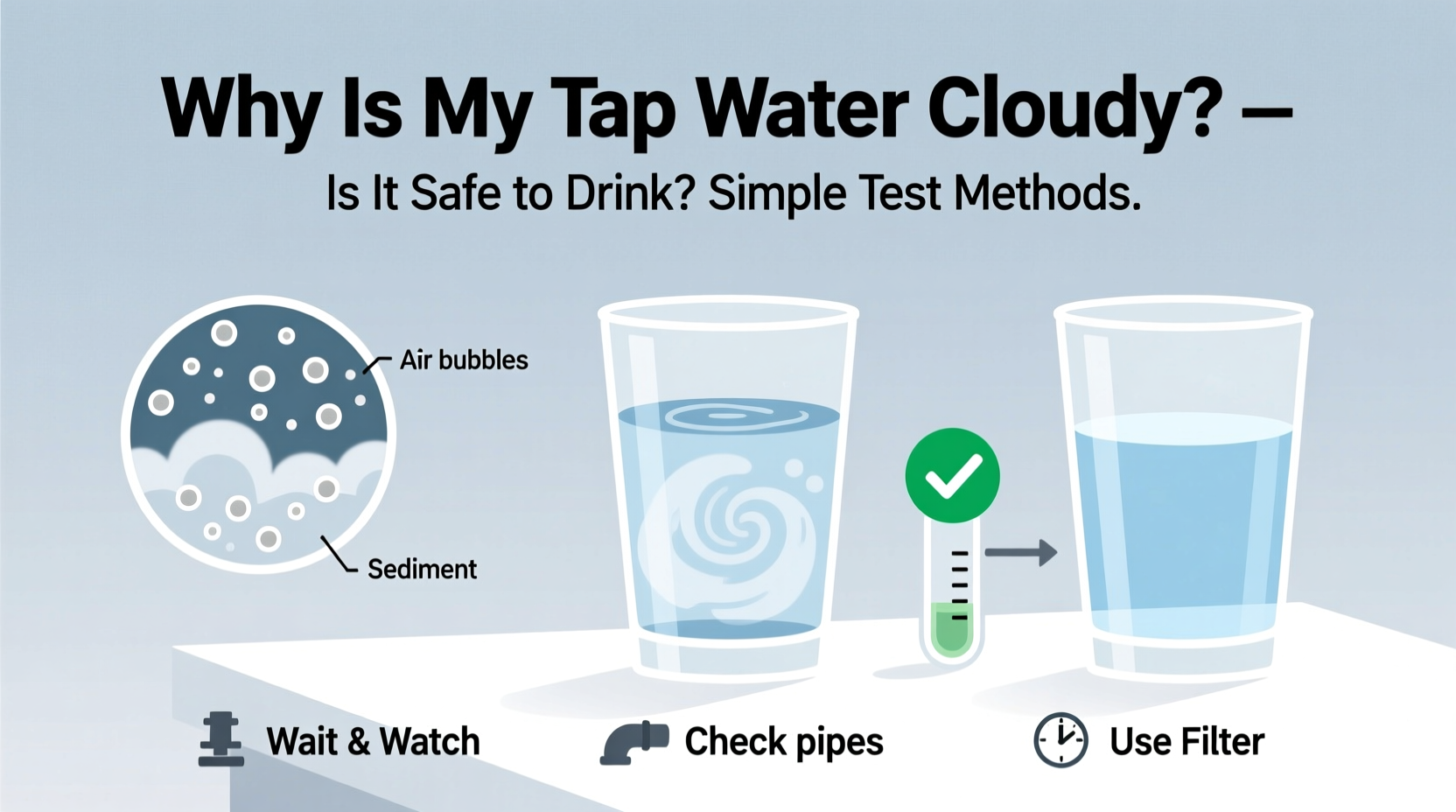
That milky look is usually caused by tiny air bubbles trapped in the water. When your municipal water system is under pressure, air dissolves into it, much like the fizz in a soda bottle.
When you open the tap, the pressure drops, and those trapped bubbles escape as a cloud of microscopic spheres. Wait a minute, and gravity does its job: the bubbles rise, the water clears from bottom to top, and you’re left with perfectly transparent, safe H2O.
Must Read
Think of it as your water’s version of a deep breath of fresh air—just a little theatrical before it gets down to business. It’s a natural, everyday phenomenon that occurs in millions of homes, especially after pipe repairs or during colder months when water holds more dissolved gas.
How to Tell It’s Just Air (and Not Something Sinister)
Here’s a quick test that feels like a mini science experiment: fill a clear glass with cloudy water and set it on the counter. If the cloudiness disappears from the bottom upward within two to three minutes, you’re dealing with harmless air bubbles.
If the water remains milky or has a strange smell, that’s a different story—possible sediment or mineral issues that might require a simple filter or a call to your utility provider. But for 99% of us, it’s just nature’s little fizzy trick.
Fun fact: in places like New York City, the iconic “Hudson River champagne” effect is so common that locals barely blink. It’s a quirk of their gravity-fed system, and a running joke among baristas who serve “cloudy tap” to unsuspecting tourists.
Practical Tips: Embrace the Fizz
If the cloudiness bugs you, just let the water sit in an open pitcher for a minute before drinking. That’s literally all it takes—no expensive gadgetry, no wizardry.
Another pro tip: run the tap for a few seconds first, especially if you haven’t used it in a while. This flushes out any stubborn bubbles and gives you a cleaner visual start to your hydration moment.
 Why Is My Tap Water Cloudy And Is It Safe To Drink Simple Test Methods
And if you’re feeling artsy, pour cloudy water into a glass and watch the bubbles dance—it’s almost meditative. Some Instagram influencers have even turned it into a calming video trend: #CloudyWaterASMR.
Cultural Roots and Urban Myths
You might recall that in classic movies, characters always drink water that’s crystal-clear—real life is messier, and far more interesting. Cloudy water has been a source of myth: some people swear it’s “hard water” or a sign of a bad pipe, but in reality, it’s just fizzy.
In Japan, there’s a concept called “mizu no kirei” (beauty of water), which emphasizes clarity and purity. Cloudy tap water might look like a glitch, but it’s actually a reminder that water is alive with tiny movements, not a sterile product.
Even the Ancient Greeks observed that water from mountain springs often appeared cloudy after rain, attributing it to the breath of gods. We’ve swapped mythology for physics, but the wonder remains.
A Quick Note on Safety
While cloudiness from air is benign, it’s smart to know your local water quality. Check your city’s annual water report—it’s often online and surprisingly readable, like a quirky local newsletter.
If you notice persistent cloudiness that doesn’t clear, or a metallic taste, you might want to invest in a simple faucet filter. But for the daily pour, embrace the bubbles—they’re a sign your water system is functioning under pressure, not failing.
 Why Is My Tap Water Cloudy or Milky?
Remember: clear water isn’t always safer, and cloudy water isn’t dangerous. It’s just water being its dynamic, ever-changing self.
Fun Little Facts to Impress Friends
Did you know that the same principle causes the white “beer head” on a perfectly poured pint? That foam is also trapped carbon dioxide bubbles rising—your tap water is basically the non-alcoholic cousin of a stout.
In cold weather, water holds up to double the air compared to warm water, which is why winter taps often look like a snow globe. It’s nature’s way of reminding you that temperature affects everything, even your glass of water.
And here’s a party trick: if you fill a glass with cloudy water and put it in the fridge, the bubbles will disappear even faster as the cold slows their release. Science is deliciously practical.
Reflection: Clear Gray, Not Cloudy Mind
Next time you see that milky swirl, take it as a tiny, joyful interruption—a reminder that the ordinary is full of hidden action. We spend so much time chasing clarity in our lives, from our schedules to our skin, that a cloudy glass of water can feel like a small failure. But it’s not.
It’s just a moment of fizz, a pause, a breath in the middle of a rushed day. Watch it clear, take a sip, and move on. Because in the end, the water is still quenching your thirst, still supporting your cells, still doing its ancient job—with a little flair.
So drink cloudy, laugh at the bubbles, and remember: the best things in life aren’t always crystal clear from the start. They just need a minute to settle.
