Why Does My Water Smell Like Dirt

So, picture this: I’m pouring a tall glass of water to chase down my morning coffee—the one I desperately need. I bring it to my lips, take a sip, and BAM—it tastes like I jus...
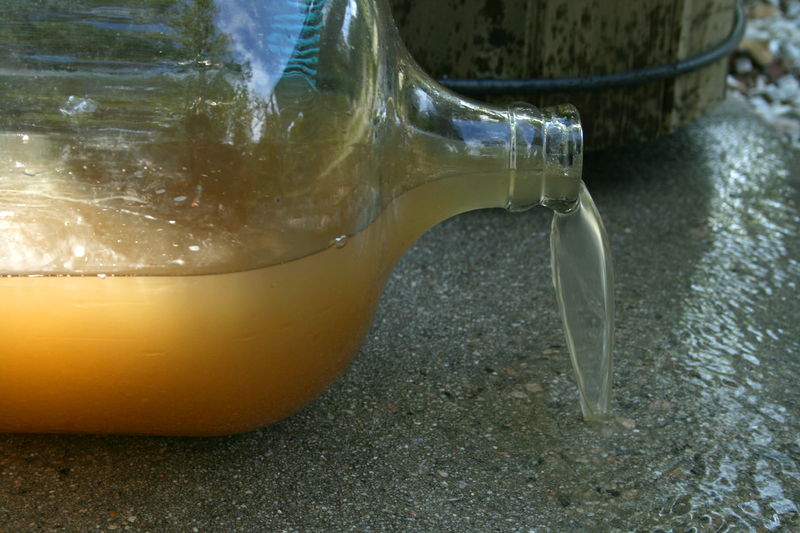
So, picture this: I’m pouring a tall glass of water to chase down my morning coffee—the one I desperately need. I bring it to my lips, take a sip, and BAM—it tastes like I just licked a garden trowel. Not a hint of chlorine or metal, just pure, unadulterated dirt.
I stood there, swishing it around my mouth, wondering if my tap had somehow connected to a rain puddle outside. You’re reading this because you’ve been there too, right? You turn on the faucet and think, “Did I just move into a mud hut?”
Here’s the truth: that earthy, musty flavor is incredibly common. And the good news? It’s rarely a sign that you’re drinking poison. It’s just nature being a little… too present in your plumbing.
Must Read
The Usual Suspects: Geosmin and 2-MIB
Let’s get a little nerdy for a second—I promise it’s quick and painless. The main culprits behind that dirt flavor are compounds called geosmin and 2-methylisoborneol (or 2-MIB for short).
Think of geosmin as the smell of rain on dry soil after a summer storm. It’s produced by bacteria and algae that live in the ground and your water source. Your nose is insanely sensitive to it—way more sensitive than a scientist’s lab equipment.
These compounds are completely natural and harmless in the amounts found in drinking water. They’re just really, really good at offending your taste buds. It’s like they have a PhD in “ruining a good glass of water.”
It’s Not Your Pipes, It’s the Source
Here’s where it gets ironic: the dirt smell usually doesn’t start inside your house. It comes from the source—the reservoir, lake, or river your town uses for tap water. When the weather heats up in spring or fall, algae blooms in these surface waters like a frat party.
Those algae release geosmin and 2-MIB as they grow and die. Your local water treatment plant tries to filter it out, but these compounds are tricky little devils. They slip through standard treatment like a ghost through a wall.
If your water smells like dirt only occasionally—say, after a warm spell—that’s the most likely culprit. Your city’s water department is probably already aware, but they’re fighting a seasonal battle. (You can actually call them and ask—I dare you.)
The Well Water Twist
Now, if you’re on a private well, the story changes a bit. That earthy smell often means you have iron bacteria or manganese lurking in your groundwater. These tiny critters actually eat the minerals in the soil and create a slimy, smelly byproduct.
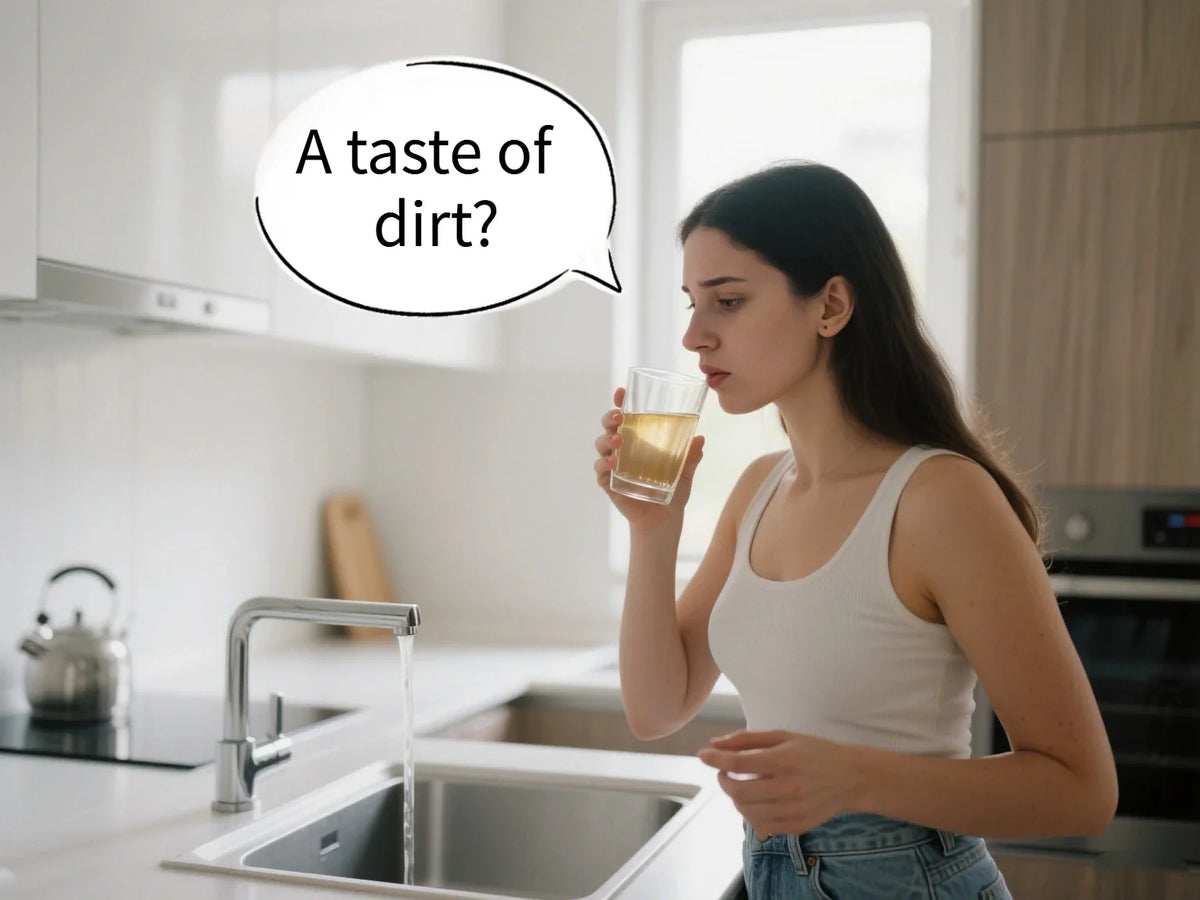 Tap Water Tastes Like Dirt: Causes, Safety, and Fixes – Frizzlife
It’s not dangerous, but it is annoying. Think of it as your well’s version of a “funky” roommate who never cleans the dishes. The solution here is usually a water softener or a special filter system called an oxidation filter.
Don’t panic though—well water with a dirt smell rarely means your water is contaminated with poop or chemicals. It’s just… earthy. Like a fancy, overpriced probiotic kombucha for your pipes.
Okay, But Is It Safe to Drink?
This is the million-dollar question, and I’ll answer it straight: Yes, it’s safe. The EPA regulates these taste and odor compounds as “secondary contaminants”—they’re annoying but not harmful. You won’t get sick from a glass of dirt-scented H2O.
That said, if your water also looks discolored (brown, rusty, or cloudy), or if the smell changes suddenly, then stop drinking it and call your water company. A dirt smell alone is usually just a cosmetic issue.
But let’s be real—“safe” and “palatable” are two very different things. I’d rather drink a glass of guilt than a glass of mud-puddle water. So what do you do about it?
How to Banish the Dirt Taste (For Now)
First, try the fridge trick. Fill a pitcher and stick it in the fridge for an hour. Cold water reduces your ability to smell geosmin, so the dirtiness fades into the background. It’s not a fix, but it’s a band-aid.
Second, invest in a carbon filter. A simple Brita pitcher or a faucet-mounted filter will absorb geosmin and 2-MIB like a sponge. Activated carbon is a beast at grabbing these compounds—it’s literally what water parks use to make their water taste “fresh.”
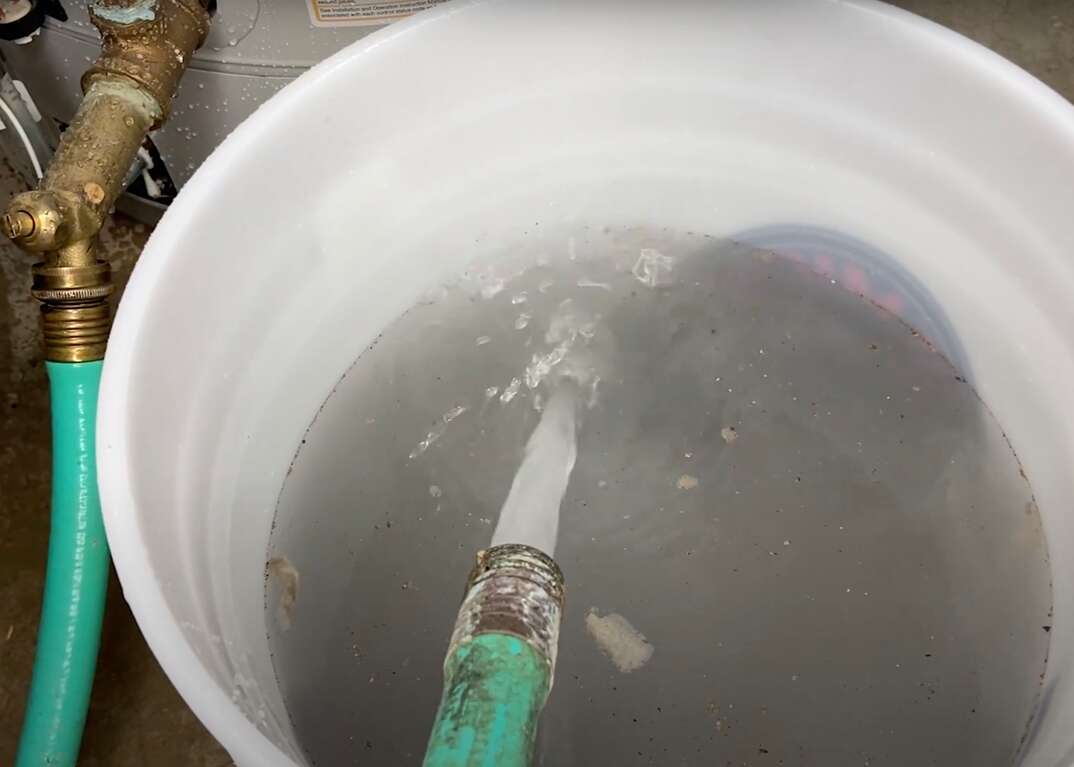 Why My Water Smell Like Rotten Eggs at Brandon Myers blog
Third, boil your water for a few minutes and then let it cool. Heat can help release the volatile compounds into the air (that’s why hot water tends to smell worse). Just don’t drink it hot—unless you enjoy dirt tea.
If the problem is chronic and you’re on city water, consider a whole-house carbon filter. Yes, it’s a bit pricey, but it saves you from that dreaded sink-sip moment. And your laundry will smell less like a root cellar.
When It’s Not the Water—It’s The Sink
Before you go buying filtration systems, check the source: your sink drain. Sometimes, the dirt smell isn’t from the water at all—it’s from the slimy biofilm growing in your garbage disposal or drainpipe. Take a whiff of the faucet stream vs. the drain opening. If the drain wins, pour half a cup of baking soda and vinegar down there, then flush with hot water.
I once spent a week blaming my well water for a “dirt funk” before realizing my disposal was growing a tiny ecosystem. I’m not proud of that week. But hey, at least the bacteria were probably happy?
The Final Sip
So, why does your water smell like dirt? Because you’re drinking planet Earth in its most literal form. The compounds come from soil, algae, and critters that have been doing their thing for millions of years. You’re just the unlucky taste-tester.
Don’t let it drive you crazy—most people don’t even notice until they get one bad glass. If it bugs you, get a filter, chill your water, or just embrace it as a rustic, “natural” flavor. Personally, I’ll stick to the filtered pitcher, but you do you.
And hey, if worse comes to worst, just close your eyes and drink it. It’s not dirt—it’s terroir. Sounds fancier, right? (I’ll be here all week.)
