What Does Expired Water Look Like

So, you’re staring at a bottle of water that’s been sitting in your car for a few months. The label says it’s expired, and you’re wondering: what does expired water actually l...

So, you’re staring at a bottle of water that’s been sitting in your car for a few months. The label says it’s expired, and you’re wondering: what does expired water actually look like? It’s a funny question, right? Water is just H₂O—how can it go bad?
First, let’s clear up the big myth
Plain water itself doesn’t really expire—it’s not like milk or bread. The expiration date on a bottle is mostly for the plastic and the taste, not the water molecules. So if you’re expecting moldy liquid or a weird color, you’ll probably be disappointed.
But here’s the cool part: expired water can look different—just not in a dramatic, “alien goo” kind of way. It’s more subtle, like a quiet party trick from chemistry.
Must Read
What you might actually see
Grab that old bottle and hold it up to the light. Chances are, the water looks perfectly clear—same as fresh tap water. But if you shake it gently, you might notice tiny white flakes floating around. Don’t panic; those are just minerals—like calcium or magnesium—that clumped together over time.
Think of it like snow globes, but for boring mineral deposits. The flakes are harmless, though they might make your water taste a little flat or “stale.” And if the bottle has been in the sun, you could see a faint greenish tint—that’s a sign of algae growth, which is rare but possible if light got in.
Ever left a glass of water out overnight? That’s the same idea—expired bottled water often looks identical, but sometimes it develops a slightly off smell. It’s not bad, just… older. Like a T-shirt that’s been in the drawer too long.
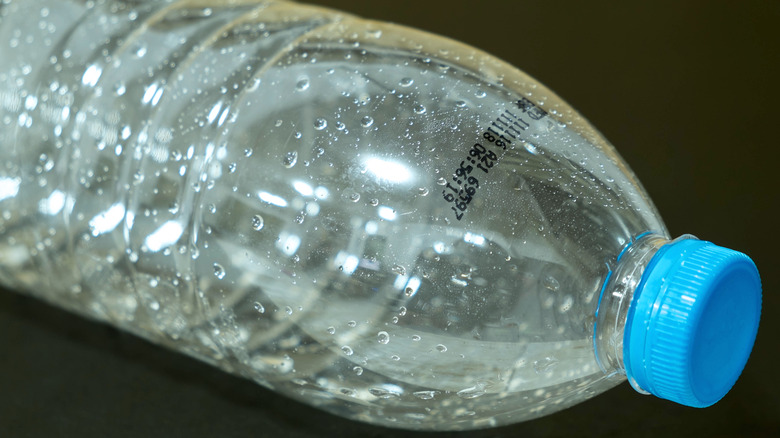 Does Bottled Water Actually 'Expire'?
Why it’s actually fascinating
Here’s the mind-bender: water is a universal solvent, meaning it slowly absorbs things from its surroundings. Over time, the plastic bottle can leach tiny amounts of chemicals into the water. You won’t see those chemicals—they’re invisible—but they can change the water’s pH balance slightly.
Imagine your water as a sponge, soaking up traces of plastic flavor from its own container. That’s why expired water often tastes like cardboard or plastic, even though it looks crystal clear. It’s like a ghost in the liquid.
And if the bottle has been damaged or pinched, you might spot cloudiness—that’s just air bubbles or bacteria starting to party. But honestly? Most expired water looks exactly like fresh water. The real change is in your nose and tongue.
A fun comparison to keep you hooked
Think of expired water like a seasoned actor who’s been in one too many movies. They look the same, sound the same, but something about them feels… tired. That’s your water—still H₂O, but with a bit of life experience.
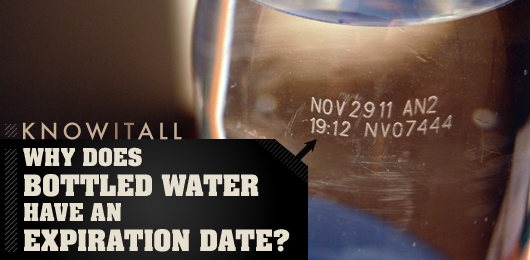 Know It All: Why Does Bottled Water Have an Expiration Date? · Primer
Or picture a pair of jeans you love. After a few years, they still look like jeans, but the fabric is softer, maybe a little worn. Expired water is the same: it’s still water, but it’s been through some stuff—sitting in a hot trunk, absorbing plastic vibes, collecting mineral snowflakes.
So next time someone asks “What does expired water look like?” you can smile and say: “Basically, it looks just like water—but with a little baggage.” And if you’re brave, take a sip. It won’t hurt you, I promise. It’ll just taste like a shrug.
The final takeaway
Expired water isn’t a horror movie—it’s more like a quiet science experiment you can do at home. It doesn’t turn green, grow fur, or glow in the dark (unless you add some weird stuff, but that’s on you). It just sits there, looking innocent, while its flavor profile slowly drifts into “meh.”
So, the real answer? Expired water looks suspiciously normal. And that’s what makes it interesting—it’s a reminder that things don’t have to look dramatic to change. Sometimes the most fascinating transformations are invisible, living in the space between clear and cloudy. Cool, right?
