Does Water Filter Remove Chlorine

So, you’re standing in the kitchen, staring at a glass of tap water that smells faintly like a swimming pool. You ask yourself, “Does my water filter actually kick chlorine to...
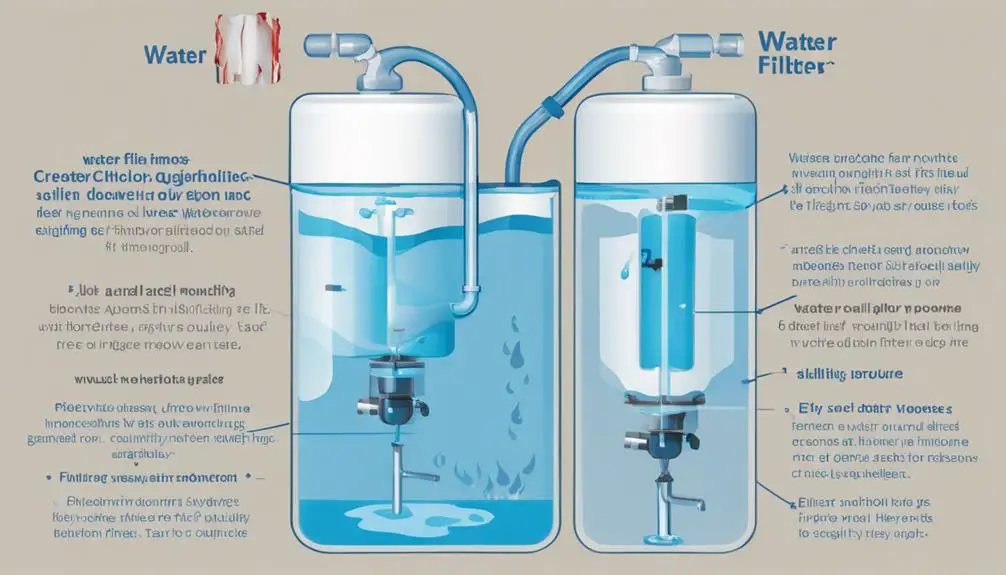
So, you’re standing in the kitchen, staring at a glass of tap water that smells faintly like a swimming pool. You ask yourself, “Does my water filter actually kick chlorine to the curb?” The short answer is a cheerful yes, but let’s dive into the fizzy details together. Grab a glass of something refreshing, and let’s chat about this like two pals unraveling a mystery.
The Tale of Tap Water and the Pool Party Invader
First, let’s give a little shoutout to chlorine. It’s the hardworking hero that keeps your water free from nasty germs during its journey from the treatment plant to your faucet. Without it, we’d be playing Russian roulette with our stomachs every time we brushed our teeth. The downside? That chemical doesn’t exactly whisper “hydration”—it shouts “bleach” when you’re trying to enjoy a quiet glass.
That’s where water filters waltz in wearing a cape. Most common filters, like the activated carbon kind in your fridge or pitcher, are basically chlorine’s worst nightmare. They act like a super-absorbent sponge that grabs onto chlorine molecules and says, “Not today, pool smell. You’re staying here.” It’s a chemical hug that actually works.
Must Read
Think of it this way: chlorine molecules are clingy little guys, and carbon filters are like velvet ropes at a club—easy for water to slip through, but chlorine gets stuck at the door. By the time the water drips into your glass, the party’s over for that chlorine smell. Science! It’s basically magic with a lab coat.
What About the Other Filters? The Fancy Cousins?
Not all filters are created equal, so let’s peek at the options. If you’ve got a reverse osmosis system under your sink, you’re basically sending water through a VIP security checkpoint. It removes up to 99% of chlorine, plus a whole parade of other stuff like lead and weird tastes. That water is so clean it might start judging your life choices.
UV filters? They’re cool for zapping bacteria, but they don’t usually care about chlorine. They’re the friend who only shows up to kill the bad vibes, not the chemical ones. Meanwhile, pitcher filters (your trusty Brita or Pur) are the everyday heroes—they handle chlorine like a champ, turning pool water into something you’d happily offer to a picky houseguest.
Pro tip: if your filter uses granular activated carbon (GAC) or a carbon block, you’re golden. Those materials are like the bouncers who remember your face but forget the chlorine’s name. Check the label, though—some basic filters barely wave at chlorine before letting it through. You want the beefy kind.
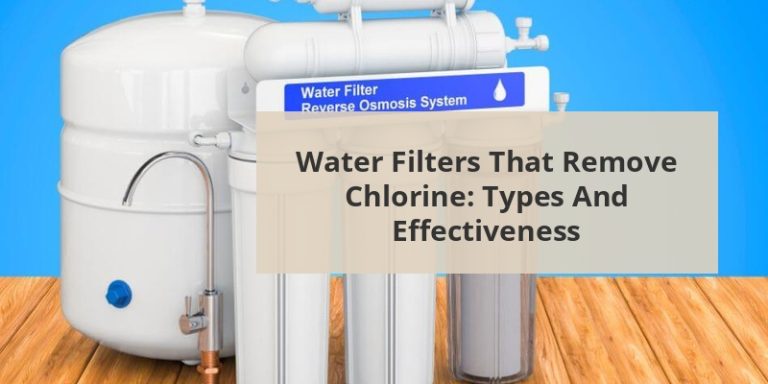 Water Filters That Remove Chlorine: Types and Effectiveness - Pick Comfort
Do You Actually Need to Remove Chlorine? (Spoiler: It’s Not Evil)
Let’s be real: drinking a tiny bit of chlorine won’t turn you into a lab experiment. The EPA sets limits to keep it safe for humans, not just fish. But flavor is a different story. Most people notice that filtered water tastes smoother, fresher, and less like a public pool changing room. That’s the chlorine ghost being exorcised by your filter.
There’s also the smell factor. Ever boiled tap water and got hit with a whiff of bleach? That’s chlorine evaporating into the air, which can be annoying when you’re making pasta. Filter it first, and your kitchen will smell like hope and garlic, not a hazmat situation. Plus, some studies suggest long-term exposure to chlorine byproducts might not be ideal, so removing it feels like a smart little insurance policy.
But hey, don’t panic if you occasionally drink unfiltered tap water. Your body is tougher than you think. The filter is more about turning “ugh” into “ahh” than saving you from doom. It’s the difference between eating a grocery store tomato and one fresh from a garden—both are fine, but one makes you smile.
The “Wait, Does My Filter Need a Reboot?” Moment
Here’s the kicker: filters have a lifespan. If you’ve been using the same Brita filter since the last solar eclipse, it’s probably full of chlorine and tired of life. A spent filter doesn’t just stop working—it can actually release trapped nasties back into your water. Gross, right? Swap it out every two to three months, or sooner if your water tastes like regret.
 How Does A Water Filter Remove Chlorine at Bonnie Vincent blog
How can you tell? If your water starts to smell chlorinated again, your filter is basically waving a white flag. Also, if the filter itself looks grimy or you can see weird floaters, that’s your cue. Treat it like a goldfish—once it stops sparkling, it’s time for a fresh start. Your taste buds will thank you.
And don’t forget about whole-house filters if you’re fancy. Those monsters strip chlorine from every tap, so your showers smell less like a hotel pool. Your skin and hair might throw you a parade. It’s a luxury, but a delightful one.
The Grand Verdict: Yes, But Also, Chill
So, does a water filter remove chlorine? Absolutely—especially if it’s an activated carbon type, which is the star of the show. But don’t stress if you accidentally drink a glass of unfiltered water. The universe won’t collapse; it’ll just taste a little like summer camp. The real win is upgrading your daily hydration into a small, joyful ritual.
Imagine this: you fill a glass with filtered water, take a sip, and it’s so clean that you can actually taste the water itself—crisp, neutral, and ready to hydrate your soul. That’s the power of a $20 filter. It turns a chore into a moment of pure, simple refreshment. And in a world full of chaos, that’s a tiny victory worth celebrating.
So go ahead, pour yourself a glass. Cheers to better water, fewer smells, and the joy of knowing you’ve outsmarted a chlorine molecule. You’ve got this. And your water filter? It’s your unsung hero, quietly working away so you can drink up and smile. Stay hydrated, friend—life’s too short for boring water.
