Where Does Tap Water Come From Uk

So, you’re standing at your kitchen sink, filling up a glass with water that looks perfectly clear and tastes like... well, nothing much. But have you ever stopped to wonder w...
So, you’re standing at your kitchen sink, filling up a glass with water that looks perfectly clear and tastes like... well, nothing much. But have you ever stopped to wonder where that magical liquid actually came from before it danced out of your tap? Grab a cuppa—because the story is weirder, wetter, and more heroic than you'd think.
The Great British Water Safari
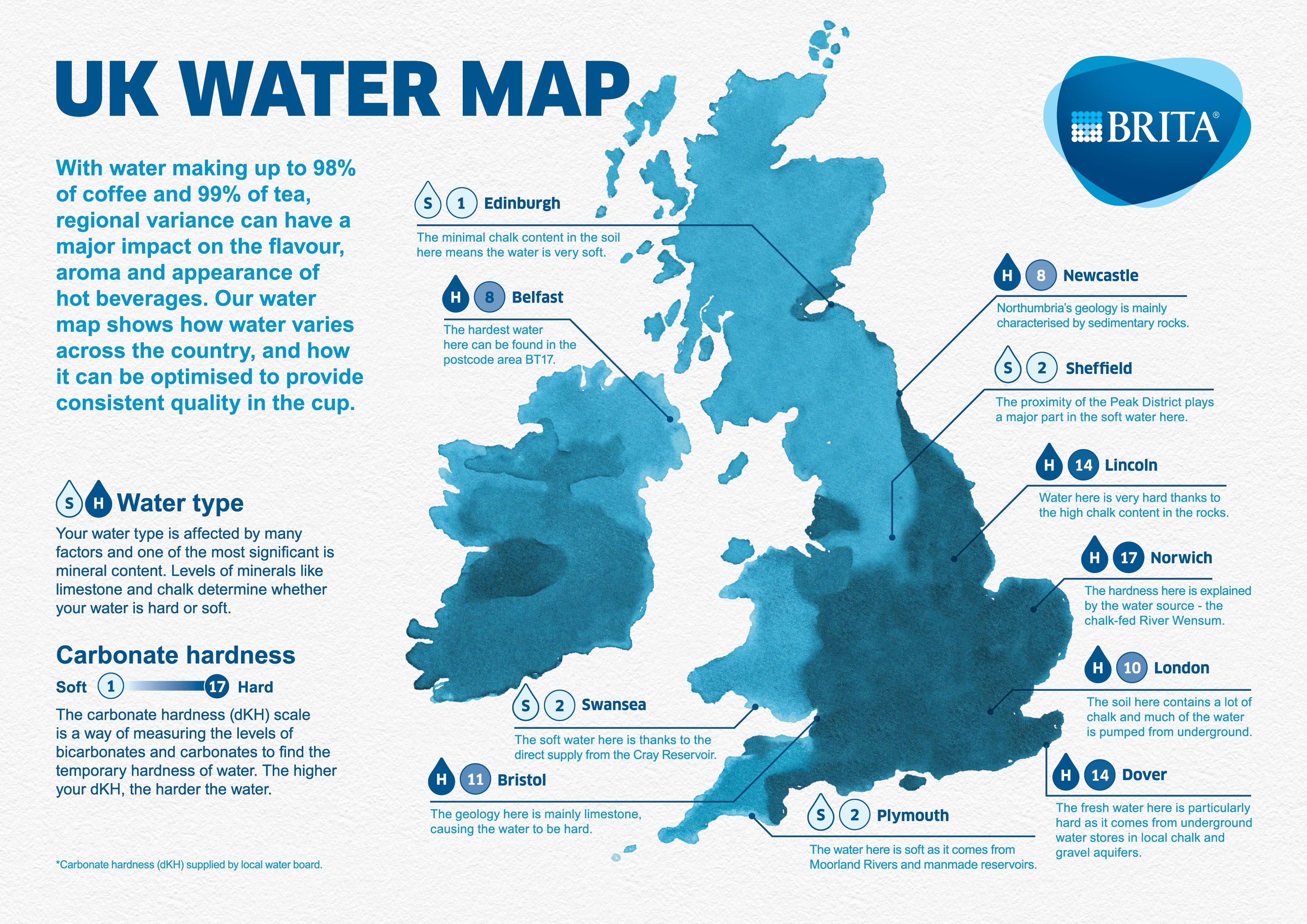
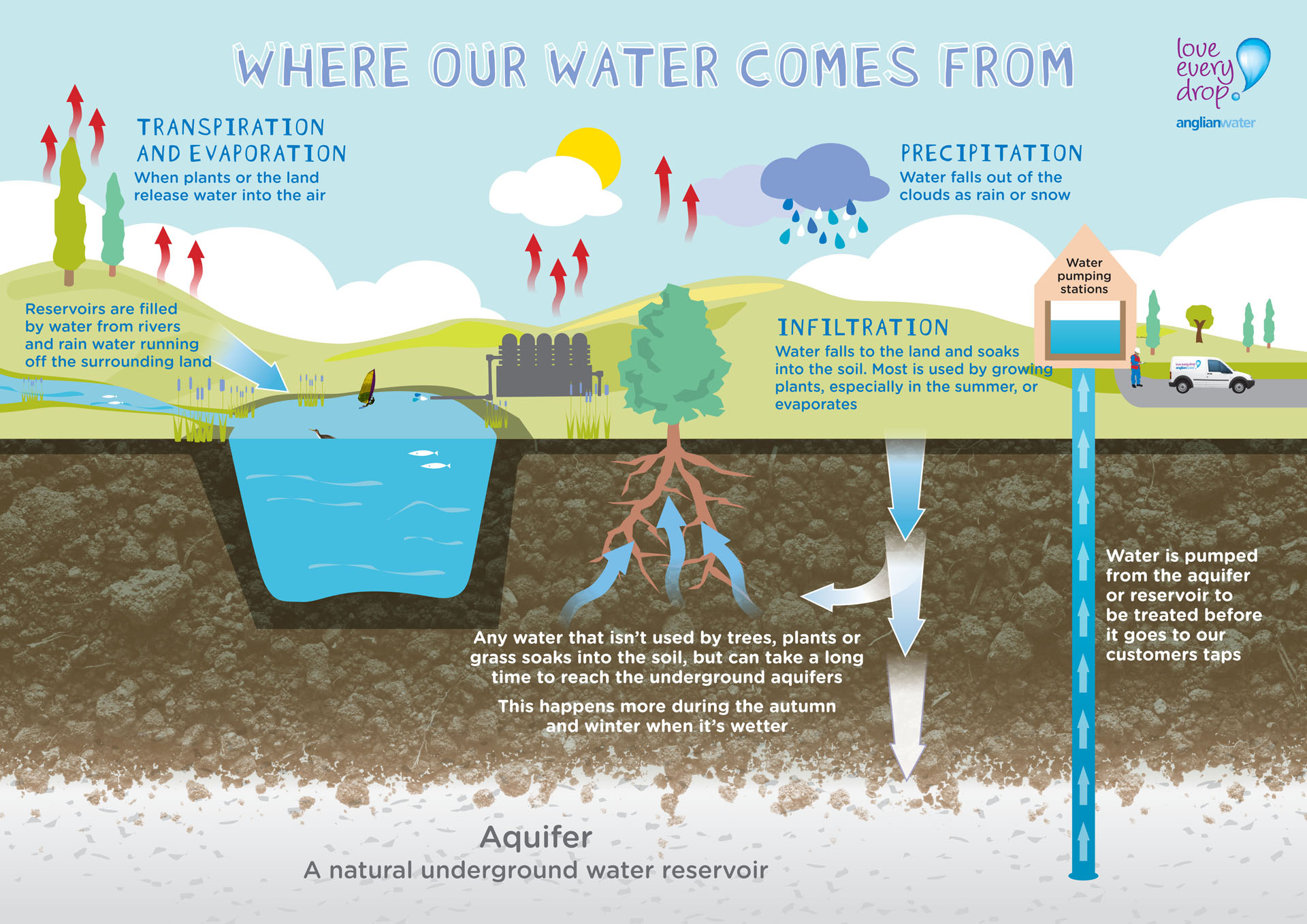
First, let’s get one thing straight: your tap water didn’t just appear from a secret underground river of unicorn tears. In the UK, about two-thirds of it starts its journey in reservoirs—massive, man-made lakes created by damming valleys. The other third? That’s pumped straight from rivers like the Thames, or from underground aquifers.
Yes, underground aquifers—fancy term for ancient, dark, soggy caves filled with water that’s been chilling there for centuries. Some of that water fell as rain during the reign of Henry VIII. No joke. You could be drinking Tudor-era raindrops. Classy.
Must Read
Step One: The Dirty Business (Literally)
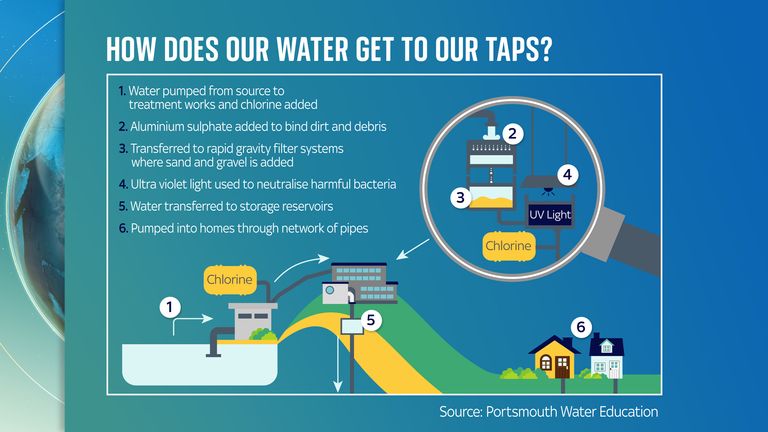
Now, let’s say your water comes from a reservoir. It’s basically a giant muddy puddle with a lot of dead leaves and a few disgruntled swans. The water company sends in massive pipes to suck it up, but first they screen out twigs, dead squirrels, and the odd stray football. This is called preliminary treatment, which is a polite way of saying “de-leafing the soup.”
After that, they add chemicals like aluminium sulphate—which sounds like something from a sci-fi film—to make tiny dirt particles clump together and sink. It’s like magic, but with more chemistry and less cape.
The Grand Filtration Disco
Once the water has stopped looking like a muddy puddle, it goes through a series of filters. Imagine a giant coffee filter but for grazing sheep’s slobber. They use layers of sand, gravel, and carbon to trap anything that survived the clumping party. Some water companies even use slow sand filters, where a biological layer of helpful microbes eats the bad stuff. That’s right—tiny living creatures are scrubbing your water clean. It’s a microscopic spa!
 Where Does The Uk Water Supply Come From at Sandy Vincent blog
But wait—there’s more. They also zapp the water with chlorine, which kills remaining bacteria, and add a tiny bit of fluoride to protect your teeth. If you’ve ever wondered why your tap water tastes a bit like a swimming pool’s best friend, thank chlorine. It’s the reason you don’t get an insta-tummy ache after a glass.
The Great Pipe Odyssey
Now the water is sparkling clean—but it has to travel to your home. And that journey is epic. The UK has over 300,000 kilometres of underground pipes. That’s enough to wrap around the Earth seven times, with a bit left over for a lazy loop around a roundabout in Slough.
These pipes are old. Like, Victorian-engineer-with-a-beard-and-a-monocle old. Some are made from lead, which is why water companies add phosphate to stop the lead leaching out. It’s like giving your pipes a protective coat of invisible raincoat. Clever, but also a bit mad.
 Where Does My Water Come From Southern Water at Stephen Gallagher blog
The Mystery of the ‘Tap’ Itself
When that water finally reaches your tap, it’s been tested hundreds of times for bacteria, lead, pH, and even weird things like pesticides. UK tap water is among the safest in the world. You could even drink it straight from a Victorian rain barrel if you fancy a bet with your immune system. (Please don’t.)
But here’s a surprising fact: your tap water is renewable. That glass you just drank? It might have been one of last week’s showers over the Pennines. Or a tear shed by a cow in Wales. Or, as I mentioned, a rain droplet from 1536. And after you flush it away, it gets cleaned and goes right back into the cycle. You are drinking dinosaur pee, Tudor sweat, and your neighbour’s bathwater—all filtered into oblivion. Delicious.
Why Bottled Water Is a Scam (Mostly)
Here’s the punchline: bottled water in the UK often comes from the exact same source as your tap. Brands like Tesco’s own-label spring water? That’s often just treated tap water from a different postcode. Seriously. You’re paying a pound for something that costs a fraction of a penny and tastes pretty much the same. Unless you really like the sensation of paying extra for a plastic bottle that will outlive your great-grandchildren.
So next time you fill your glass, give a little nod to the Victorian engineers, the chlorine, the sand-dwelling microbes, and that one Tudor raindrop that’s been waiting 500 years to meet you. Cheers, you beautiful water-powered human.
