How Much Salt In A Water Softener

Let’s be honest: you probably never thought you’d be asking about salt for a water softener. It’s one of those grown-up chores that sneaks up on you, like realizing you’re exc...

Let’s be honest: you probably never thought you’d be asking about salt for a water softener. It’s one of those grown-up chores that sneaks up on you, like realizing you’re excited about a new vacuum cleaner. But here we are, staring at a big plastic tank and wondering, “How much salt is actually enough?”
The Great Salt Balancing Act
Think of your water softener like a hangry toddler. If it doesn’t get enough salt, it throws a tantrum—giving you hard water spots on your dishes and a slimy feeling in the shower. Too much salt, and you’re just wasting money like a guy buying a Hummer for the grocery run.
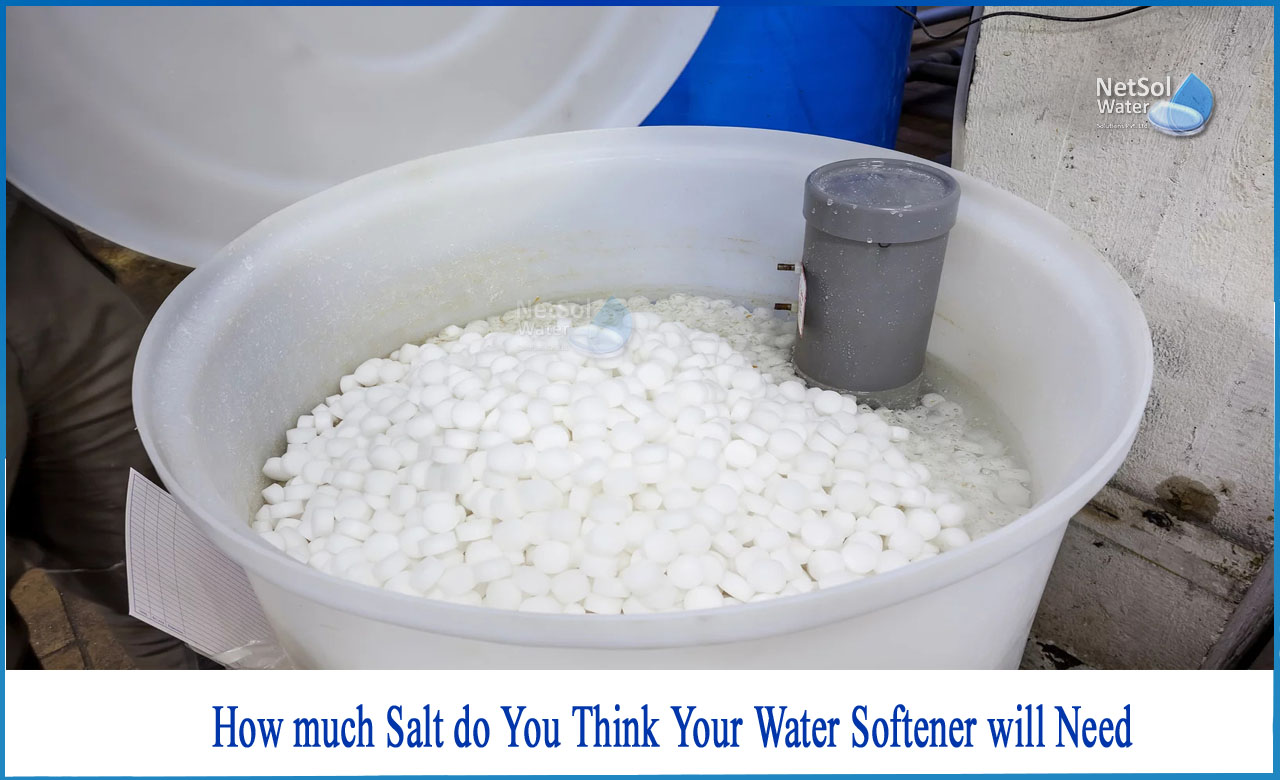
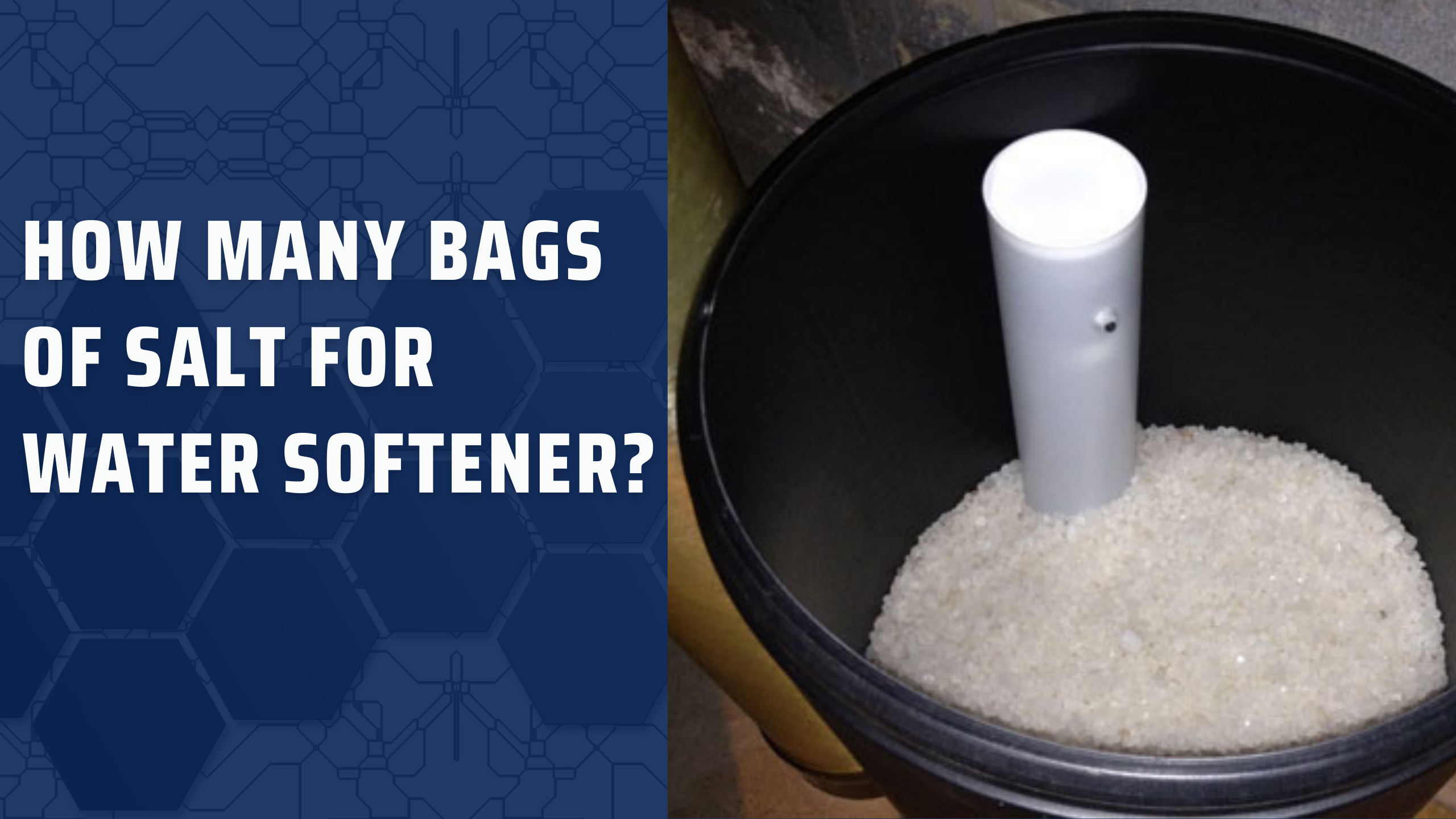
Generally, you want to keep the salt level about halfway full in the brine tank. Not empty, not overflowing—just a cozy middle ground. It’s the Goldilocks zone, but for minerals.
Must Read
Why You Can’t Just Dump a Whole Bag
I once watched my neighbor dump an entire 40-pound bag into his softener. He grinned like he’d just filled a car with premium gas. Big mistake. The salt bridged into a solid, rock-like crust that took a hammer and a lot of cursing to break apart.
Salt bridges are like ice dams on a roof—they look harmless but ruin everything underneath. Always check the manual, but a good rule is to keep salt below the water level and never above the top of the tank’s inner rim.
How Much Salt Per Month?
Here’s the boring math part: the average household uses about 10 to 20 pounds of salt per week. That’s roughly one 40-pound bag every two to three weeks. If your water is harder than a physics exam, you’ll need more.
But don’t obsess. Just look inside the tank once a month while you’re checking your smoke alarm batteries or pretending to care about the garden. If you see the salt level dropping below the halfway mark, toss in a bag.
It’s like feeding a pet that only eats rocks—low maintenance but annoyingly specific.
The “Dirty” Secret About Salt
Not all salt is created equal. There’s solar salt (fancy evaporated sea crystals), rock salt (cheap and gritty, like your uncle’s jokes), and evaporated salt (the purest, most boring option).
 Water Softener Add Salt To Water at Wilda Talley blog
Rock salt leaves a muddy sludge at the bottom of your tank—picture a coffee filter after a bad brew. Stick with evaporated or solar salt for a cleaner system. Your softener will thank you by not clogging at 3 a.m. when you’re out of clean towels.
The Magic Number: 6 to 8 Pounds Per Regeneration
Every time your softener regenerates (flushes out the hard minerals), it uses roughly 6 to 8 pounds of salt. Think of it like a dishwasher cycle but for your whole house. Most systems regenerate every 2 to 3 days, depending on your water usage.
So, if you have a family of four who takes long, existential showers, you’ll burn through salt faster than a campfire. If it’s just you and your cat, you can probably stretch a bag for a month.
Pro tip: Listen for the regeneration hiss. If it sounds like a dying robot, your salt might be too low or bridged.
The “Oh, Crap” Moment
You’ll know you’ve messed up when your iced tea turns cloudy or your hair feels like straw after a shower. That’s the universe sending you a polite reminder: “Hey, empty the wallet and buy some salt.”
It’s cheaper than replacing your water heater or buying bottled water for every glass. Honestly, a bag of salt costs less than two lattes and lasts two weeks. That’s a win in my book.
 How Many Bags Of Salt For Water Softener? (Salt Quality Factors
Avoiding the Salt Mountain
Never, ever fill the tank to the top. I did that once when I was in a hurry, and the salt clumped into a solid block that looked like a modern art sculpture. It took an hour and a screwdriver to chip it apart.
Keep the salt a few inches below the top. If it’s winter and your tank is in a cold garage, add a little less—salt can freeze and form a crust faster than you can say “hard water spots.”
And for the love of all that is soft, don’t mix different salt types. It’s like mixing Coke and Pepsi—both are fine alone, but together they make a mess.
When in Doubt, Trust the Float
Most modern softeners have a little float or a sensor that tells you when salt is low. It’s like a gas light for your water. Ignore it at your own peril.
If your system is old and relies on your eyeballs, just lift the lid once a month. It takes ten seconds—less time than scrolling through Instagram for a recipe you’ll never cook.
The Bottom Line
You don’t need to become a water-softening scientist. Just keep the tank half full, use high-quality salt, and check it like you’d check your phone battery before leaving the house—often enough to not be stranded, but not obsessively.
And if you forget? You’ll grimace at a cloudy glass of water, grumble a little, then go buy a bag of salt. It’s the circle of life, homeowner style. Now go enjoy a silky, spot-free shower—you’ve earned it.
