What Is Considered Filtered Water

Let’s be honest: when someone offers you “filtered water,” you probably picture a fancy glass bottle wearing a smug label that costs more than a sandwich. But what actually qu...
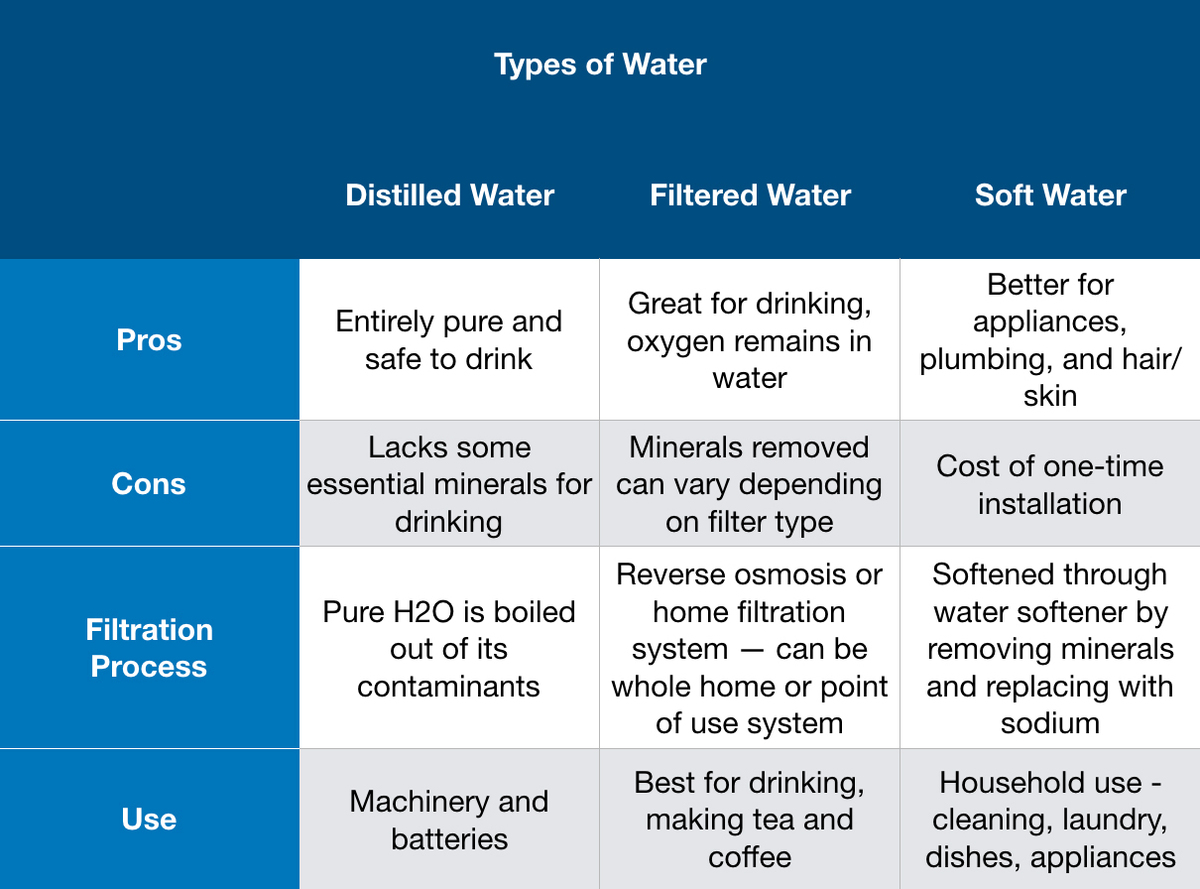
Let’s be honest: when someone offers you “filtered water,” you probably picture a fancy glass bottle wearing a smug label that costs more than a sandwich. But what actually qualifies as filtered water? Spoiler: it’s less about magic and more about a glorified science project involving carbon, charcoal, or a really expensive straw. The official definition? Any water that’s passed through a physical barrier or chemical process to remove impurities. Think of it as a spa day for your tap water, minus the cucumber slices.
The Not-So-Sexy History of Your Water’s Makeover
Humans have been filtering water since ancient times, usually by pouring it through sand, cloth, or—brace yourself—their own socks. The ancient Egyptians boiled water and then poured it through charcoal, which is basically the same tech your Brita pitcher uses today. So next time you sip filtered water, remember: you’re drinking like a pharaoh, just with fewer linen wraps and more plastic. The real leap came in the 1800s when scientists discovered that charcoal could trap bacteria and bad tastes. They called it “activated carbon,” and it’s still the All-Star player in most home filters.
What’s Actually in Your Filter? (A Peek Under the Hood)
Most home filters rely on activated carbon, which is basically charcoal that’s been given a superpower—like a sponge with an attitude. The carbon is “activated” by heating it with gas, creating millions of tiny pores that trap chlorine, sediment, and volatile organic compounds (the stuff that makes your tap taste like a swimming pool). But here’s the kicker: carbon filters are terrible at removing minerals, fluoride, or heavy metals. So if you’re worried about lead or arsenic, you’ll need a reverse osmosis system, which is the water-filter version of bringing a tank to a knife fight.
Must Read
The Great Filter Hierarchy (Who’s the Real MVP?)
Let’s break down the common types without boring you into a coma. First up: pitcher filters (Brita, Pur). They’re cheap, cute, and about as effective as using a sieve to catch a mouse. They remove chlorine and some bad tastes, but don’t expect them to cure your existential dread about microplastics. Next: faucet-mounted filters—the middle child of water filtration. They’re convenient until you forget to change the cartridge for six months, at which point you’re basically drinking bacterial tea. Finally, countertop and under-sink systems. These are the heavy hitters: reverse osmosis, UV light, or carbon blocks. They can remove up to 99% of contaminants, including pharmaceuticals and rocket fuel (yes, perchlorate is a thing). You’re basically drinking water so clean it’s embarrassed to be seen with tap water.
The Elephant in the Glass: What Filtered Water Isn’t
Here’s a truth bomb: filtered water is not the same as purified water. Purified water has been distilled, deionized, or reverse-osmosed until it’s basically a shy ghost. Filtered water still contains beneficial minerals like calcium and magnesium, which is why it tastes alive and not like a laboratory accident. Also, not all “filtered” labels are created equal. Bottled water labeled “filtered” might just be tap water that passed through a Brita the size of your thumb. The FDA allows that. Sneaky, right?
 How To Tell If A Water Filter Is Working
And let’s talk about carbonated water. Yes, sparkling water is often filtered before carbonation, but once you add bubbles, it’s a whole new beast. Filtration removes the bad stuff, but carbonation adds acid, which can erode your enamel faster than a sugar-fueled toddler with a lollipop. So enjoy your LaCroix, but maybe don’t brush your teeth right after.
How to Know If Your Water Is Actually Filtered (The Sniff Test)
Here’s a low-tech test: if your tap water smells like a hotel swimming pool, a carbon filter will fix it. If it smells like your grandpa’s basement (musty, earthy), you probably need a sediment filter or a whole-house system. If it smells like nothing at all, congratulations—you’re either already drinking filtered water, or your nose is broken. But the real giveaway is taste. Filtered water should be neutral, not “off.” If your water tastes like metal, plastic, or regret, it’s time to upgrade your filter game.
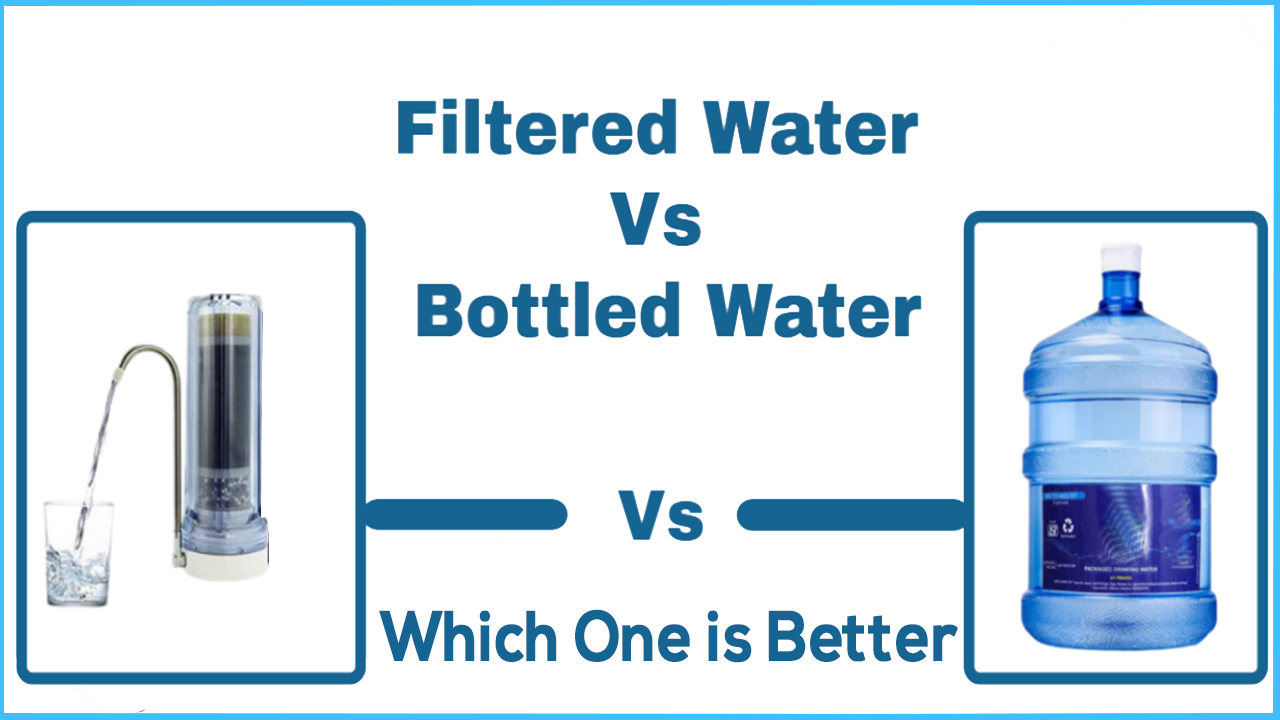 Distilled Water Versus Filtered Water: What’S The Difference? – MMKB
Surprising fact: some fancy “filtered” water is actually just tap water with extra steps. Brands like Dasani and Aquafina start with municipal tap water, then run it through reverse osmosis, add a pinch of minerals for taste, and charge you $2. You’re paying for marketing, not miracles. Meanwhile, your home Brita pitcher costs pennies per liter and does the same job. The real filter is your wallet.
The Final Gulp: Is Filtered Water Worth It?
Honestly? It depends on your tap water’s drama level. If you live in a city with good treatment, filtered water is mostly a taste upgrade—it removes chlorine and makes your iced tea taste less like a pool party. If you’re on well water or have lead pipes, a good filter is non-negotiable. But here’s the twist: over-filtering can be a thing. Some systems strip out healthy minerals, leaving you with water so pure it’s actually boring. Your body uses those minerals, so don’t turn your hydration into a chemistry experiment.
So next time someone brags about their $50 pitcher, smile and ask, “Is it carbon block or just charcoal theater?” Then drink your tap water with a wink. After all, filtered water is just tap water with a better publicist. And if you want the real gold standard, go boil your tap water, let it cool, and pour it through a clean sock. It’s what the pharaohs would have wanted. Cheers.
