What Is The Ph Level Of Tap Water

Ever taken a big gulp of tap water, only to make a face and wonder, “Why does this taste… funny?” You’re not alone. That weird flavor or feeling on your tongue often points to...

Ever taken a big gulp of tap water, only to make a face and wonder, “Why does this taste… funny?” You’re not alone. That weird flavor or feeling on your tongue often points to something called pH level.
Don’t worry—this isn’t a high school chemistry pop quiz. Think of pH like a personality score for water. It tells you if your water is grumpy and acidic, chill and neutral, or too nice and alkaline.
So, what is the pH of your everyday tap water? Generally, it hangs out between 6.5 and 8.5 on the pH scale. That’s right in the sweet spot for safe drinking, according to water authorities.
Must Read
Imagine the scale as a number line from 0 to 14. 7 is neutral—like pure, boring water. Below 7 gets acidic (think lemon juice), and above 7 gets alkaline (think baking soda).
Your tap water usually lands near that 7, often a tiny bit above or below. It’s like the Goldilocks of beverages: not too sour, not too soapy.
How do you know if your tap water is “off”?
You don’t need a lab coat. Your own senses are pretty good detectives. If your water tastes metallic or leaves a tang on your tongue, the pH might be creeping too low (acidic).
On the flip side, if it tastes bitter or feels slick, like you can’t rinse the soap off your hands, the pH could be too high (alkaline). Ever notice that film on a glass after it dries? That’s often a high pH clue.
Your water’s pH can also mess with your pipes. Acidic water is like a tiny, hungry monster that eats away at copper and lead pipes. That can mean nasty metals in your morning coffee.
A little story for you
Last summer, my friend Claire complained her tap water tasted like a penny. She bought a simple pH test kit online for ten bucks. Turns out her water was a 5.5—pretty acidic!
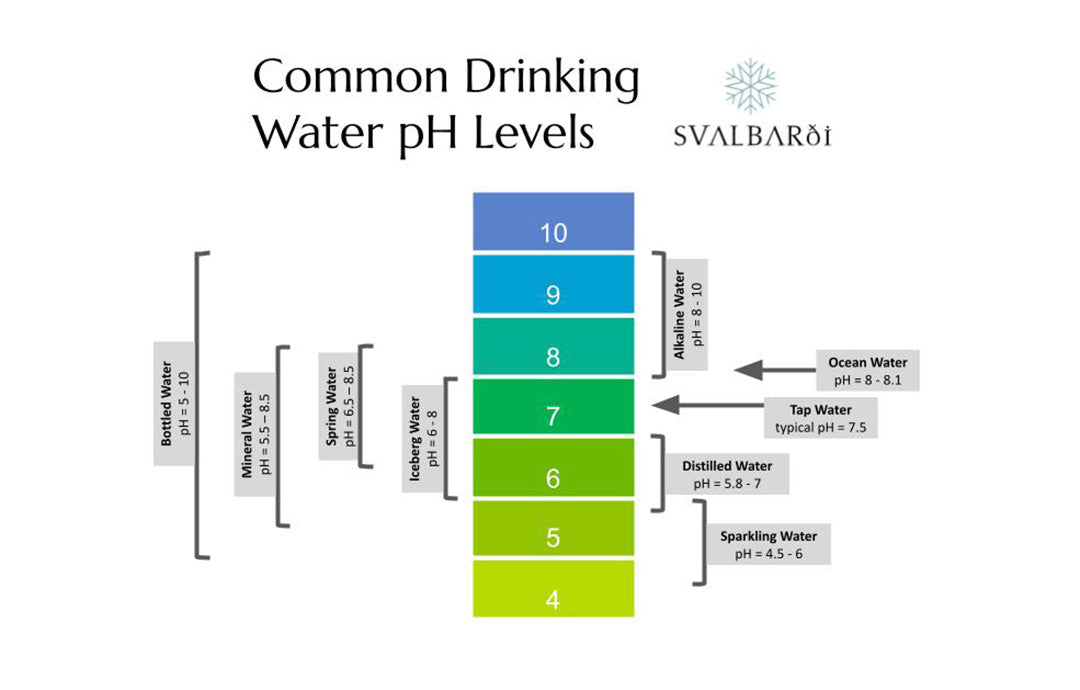 What Is The Ph Of Tap Water? : Understanding Water PH Levels, A
She installed a small filter that raises the pH, and now her water tastes like mountain spring again. No more funny faces at the kitchen sink. It’s a small fix for a big difference.
You might wonder: “Do I really need to care about this?” Honestly, for most people, tap water pH is perfectly fine. But if you notice changes, it’s worth a peek.
Why should you care? (The fun part)
First, your coffee and tea are total drama queens about pH. Water that’s too alkaline can make your morning brew taste flat and muddy. Acidic water can make it sour.
Your houseplants are pH snobs too. Some plants, like blueberries and ferns, are super picky. Water them with super alkaline tap water, and they’ll throw a leafy tantrum.
Even your pets notice. My cat, Mochi, refused to drink from her bowl when our water got weird. She’s a fancy feline with standards, apparently.
How to check your own tap water
It’s easier than finding your car keys. You can buy a pH test strip at any pet store, hardware store, or online for pocket change. Just dip, wait, and match the color.
 The Ultimate Guide to Well Ownership & Maintenance – Tap Score
If you’re a tech geek, there are digital pH meters that look like a thermometer. They beep and give you a number. Very James Bond for a glass of water.
Most cities publish annual water quality reports online. Search for your town’s report—it lists the pH. You might find out your water is 7.8, which is totally common and safe.
The bottom line (and a smile)
Your tap water’s pH is like its mood ring. It doesn’t have to be perfect, but it’s good to know what you’re drinking. Most tap water in the U.S. and Canada falls within a safe range.
If you ever taste something funny, don’t panic. Test the pH first. It might be a quick fix, like letting the water run for a second or using a simple pitcher filter.
At the end of the day, water is still the best thing you can drink. A little pH knowledge just helps you enjoy it more. Cheers to happy, balanced hydration!
So next time you pour a glass, remember: it’s not just water—it’s a tiny chemistry experiment you can taste. And now you’re the expert in the room. How cool is that?
