How To Test The Hardness Of Water

Okay, let’s talk about water. You know, the stuff you drink, shower in, and probably don’t think much about. But here’s the thing: your water might be hiding a secret. It coul...
Okay, let’s talk about water. You know, the stuff you drink, shower in, and probably don’t think much about. But here’s the thing: your water might be hiding a secret. It could be hard. Not like a rock, but like a bully for your pipes and soap.
What’s the deal with hard water anyway?
Hard water is just water loaded with minerals. Mostly calcium and magnesium. It’s not dangerous to drink, but it’s a total nuisance.
It leaves white scum on your dishes. It makes your soap refuse to lather. And it builds up inside your kettle like a tiny limestone cave. Annoying, right?
Must Read
So how do you know if you’re living with hard water? You test it. Don’t worry, it’s easy. You don’t need a lab coat or a fancy degree.
The soap shake test (my personal favorite)
Grab a clean, clear plastic bottle. Any size works, but a small water bottle is perfect. Fill it about halfway with tap water.
Now, add a few drops of plain liquid soap. Not detergent, just pure soap. Shake the bottle like you’re trying to win a dance contest.
Watch what happens. If you get a ton of fluffy, beautiful bubbles, you have soft water. If you get cloudy water with barely any suds, you have hard water. It’s that simple.
Hate science experiments? Me too. This one takes ten seconds. You’ve got this.
The dish soap detective work
No bottle handy? Fine. Do this in your kitchen sink. Squirt a little dish soap onto a wet sponge.
Rub it around. If it whips up into a massive, frothy cloud, congrats—soft water. If it feels greasy and flat? Yep, hard water.
The soap literally cannot do its job with all those minerals around. It’s like trying to throw a party with uninvited guests. Rude.
Look for the white stuff (scale)
Examine your kettle or coffee pot. Do you see a white, chalky film inside? That’s scale. It’s a hard water calling card.
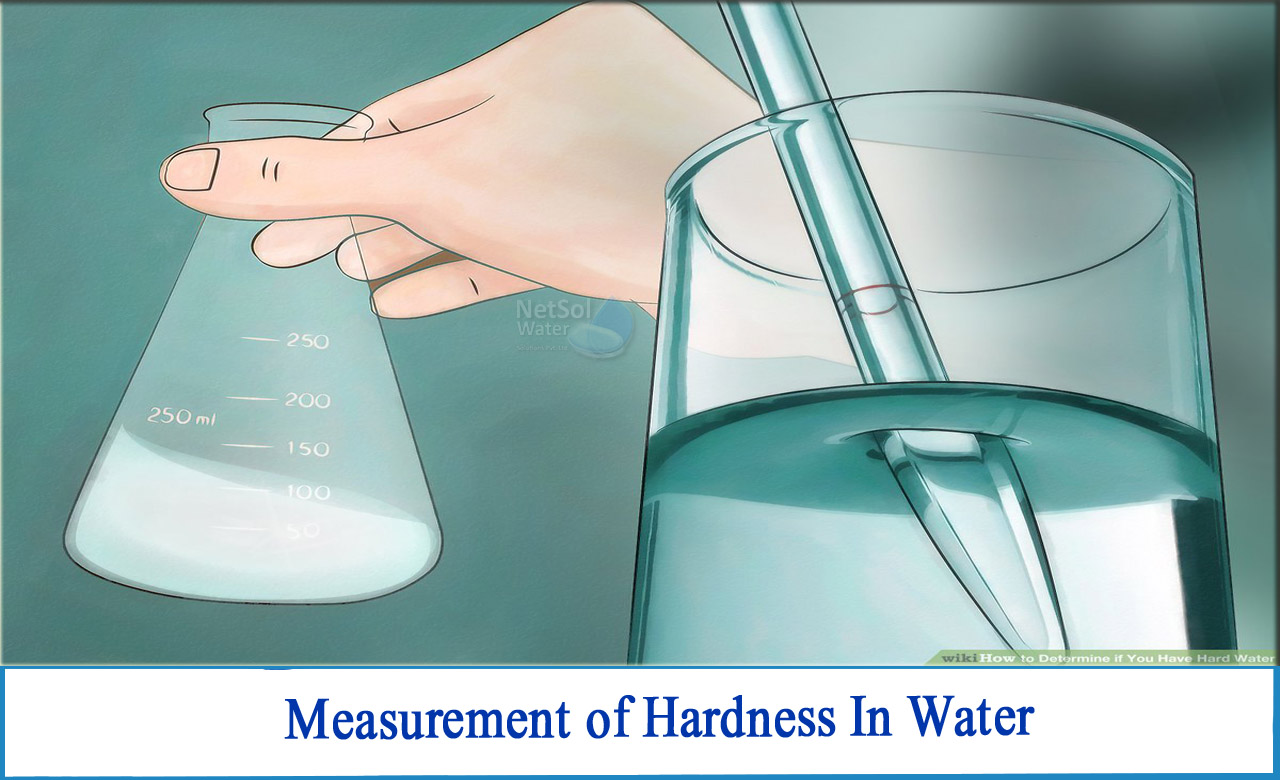 4 ways to measure water hardness _ how to check water hardness – PBFF
Take a peek at your shower head, too. Those little nozzles clogged with white gunk? That’s also scale. Your appliances are literally crying for help.
If you see scale, your water is definitely hard. No test needed. The evidence is right there, waving at you.
The DIY test strip method (sciency but easy)
You can buy water test strips at any hardware store. They’re cheap. They look like little white plastic tabs.
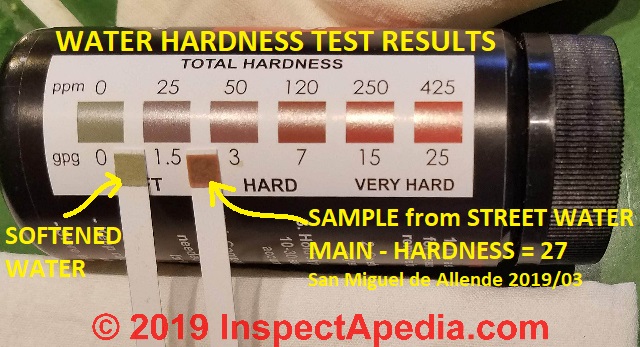
Dip one in a glass of tap water for a second. Wait a few seconds. The strip changes color. Match the color to the chart on the bottle.
It tells you exactly how hard your water is in grains per gallon. Super precise. But honestly? The soap shake is way more fun.
What about store-bought test kits?
They exist. They work fine. They usually come with a tiny bottle of liquid and a dropper. You add drops to your water until it changes color.
Count the drops. More drops mean harder water. It’s like a science fair project from 5th grade. Except now, you’re doing it for your sanity.
I personally prefer the lazy methods. But if you want a number, go for it. You do you.
The “feeling” test (for the observant)
After you wash your hands, does your skin feel kind of sticky? Like you can’t rinse the soap off? That’s hard water. It reacts with soap to form a film.
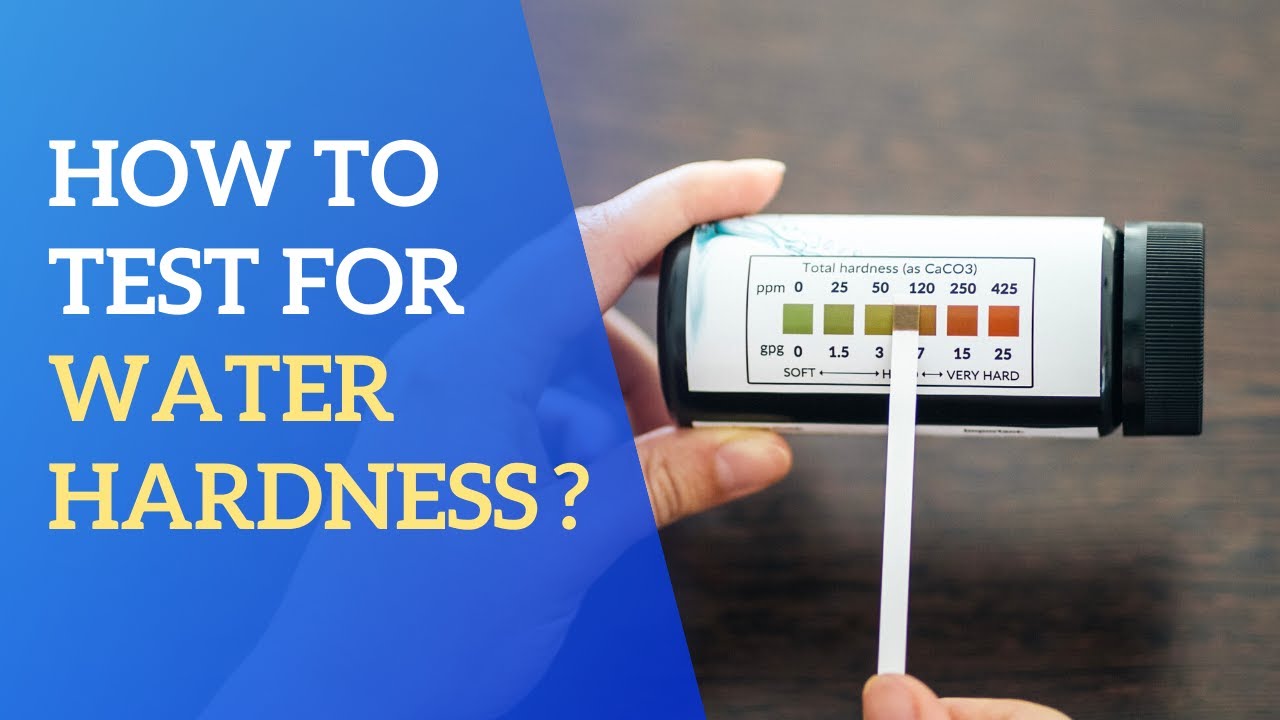 A Guide For How To Test Water Hardness – JFFA
Soft water makes your skin feel squeaky clean. Almost slippery. You can practically hear your hands singing with joy.
Also, look at your hair. Does it look dull or feel straw-like? Hard water loves to coat hair in mineral residue. Bad news for your locks.
Okay, so my water is hard. Now what?
First, don’t panic. Millions of people have hard water. It’s not a crisis. It’s just a nuisance.
You can buy a water softener system. It’s a big tank that swaps minerals for salt. Expensive, but effective. Your taps will thank you.
Or you can get a smaller pitcher filter. Not as powerful, but it helps with taste. Your kettle will still get scale, though.
Personally, I just embrace the chaos. I clean my kettle with vinegar once a month. It’s a small price to pay for not buying a $500 machine.
One last sneaky trick
Take a clear glass. Fill it with tap water. Let it sit out for an hour. Do you see little white flakes floating around?
Those are mineral deposits settling out. Hard water doing its thing. Congrats, you’re now a water detective.
Testing hardness is literally that simple. No college degree required. Just a bottle, some soap, and a bit of curiosity.
So go on. Grab a bottle. Shake it up. You’ll feel like a scientist. A very cool, very hydrated scientist.
