How To Add Salt To Water Softener

So, there I was, standing in my garage, staring at a blinking red light on my water softener like it was a cryptic message from aliens. My wife texted, “Is the water feeling,...
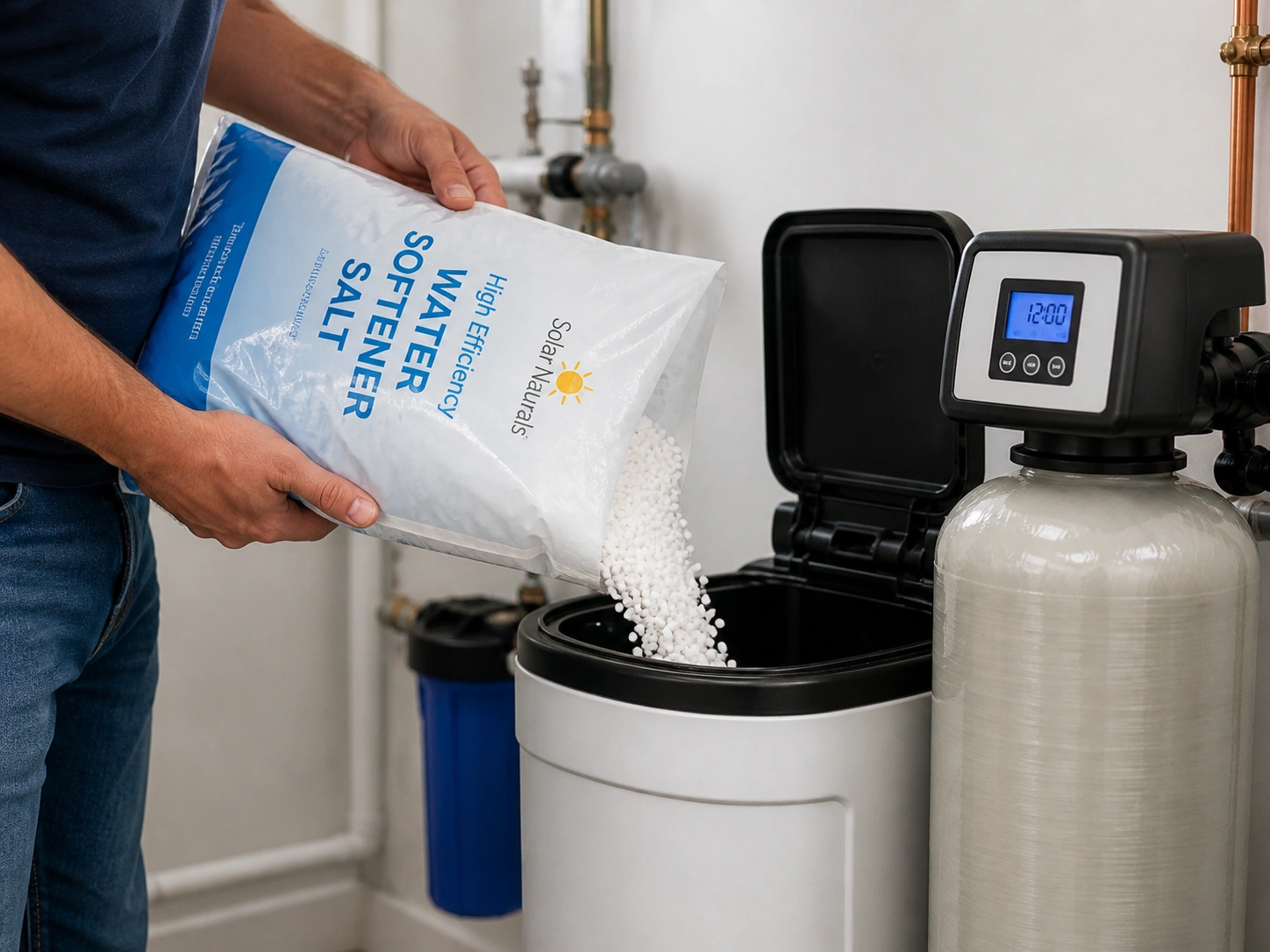
So, there I was, standing in my garage, staring at a blinking red light on my water softener like it was a cryptic message from aliens. My wife texted, “Is the water feeling, um, gritty to you?” Ah, the universal sign of a salt-starved machine. I felt like a pet owner who forgot to feed the hamster—only this hamster costs more to replace.
That’s when I learned the hard way: adding salt to a water softener isn’t rocket science, but ignore it, and your water turns into a mineral monster. Let’s fix that, shall we? Grab your reading glasses and maybe some gloves, because we’re about to get a little dusty.
What You’re Actually Doing (And Why It’s Not Magical)
Your water softener is basically a greedy salt-eater. It uses salt to strip calcium and magnesium from your water—those little jerks that leave spots on dishes and dry out your skin. When the salt runs low, the whole system throws a tantrum (hence that blinking red light).
Must Read
I once thought, “How hard can it be? Pour salt. Done.” But then I used the wrong salt once, and my machine made sounds like a dying walrus. Trust me, the type matters more than you think.
Here’s the kicker: you’re not adding salt to the water you drink. You’re adding it to a separate brine tank that washes the resin beads inside. Drink calmly, please—your blood pressure won’t spike from this article.
Step One: Buy the Right Salt (No, Not Table Salt)
This is where most folks trip up. Do not raid your kitchen pantry for that fancy pink Himalayan stuff. Use only water softener salt—usually sold in big blue or yellow bags at the hardware store. You’ll see three main types: solar, evaporated, and rock salt.
My personal recommendation? Solar salt pellets (the triangular ones, not cubes). They dissolve cleanly and won’t form a thick sludge at the bottom of your tank. Avoid rock salt unless you enjoy scraping gunk off your brine well every six months. Been there, bought the T-shirt.
Oh, and check your manual! Some units demand specific salt, like a diva with a contract rider. If you ignore that, you’ll be back here with a clogged nozzle, cursing my name. Don’t curse me—just read the book.
Step Two: Open the Lid (And Brace Yourself)
Pry open the brine tank lid—it’s usually white and rectangular on top of the main unit. Do not be alarmed if a small cloud of sulfur-smelling mist escapes. That’s just bacteria saying “hello,” and it’s normal. If it smells like a dead skunk, though, you may need to clean the tank first. But let’s keep things simple today.
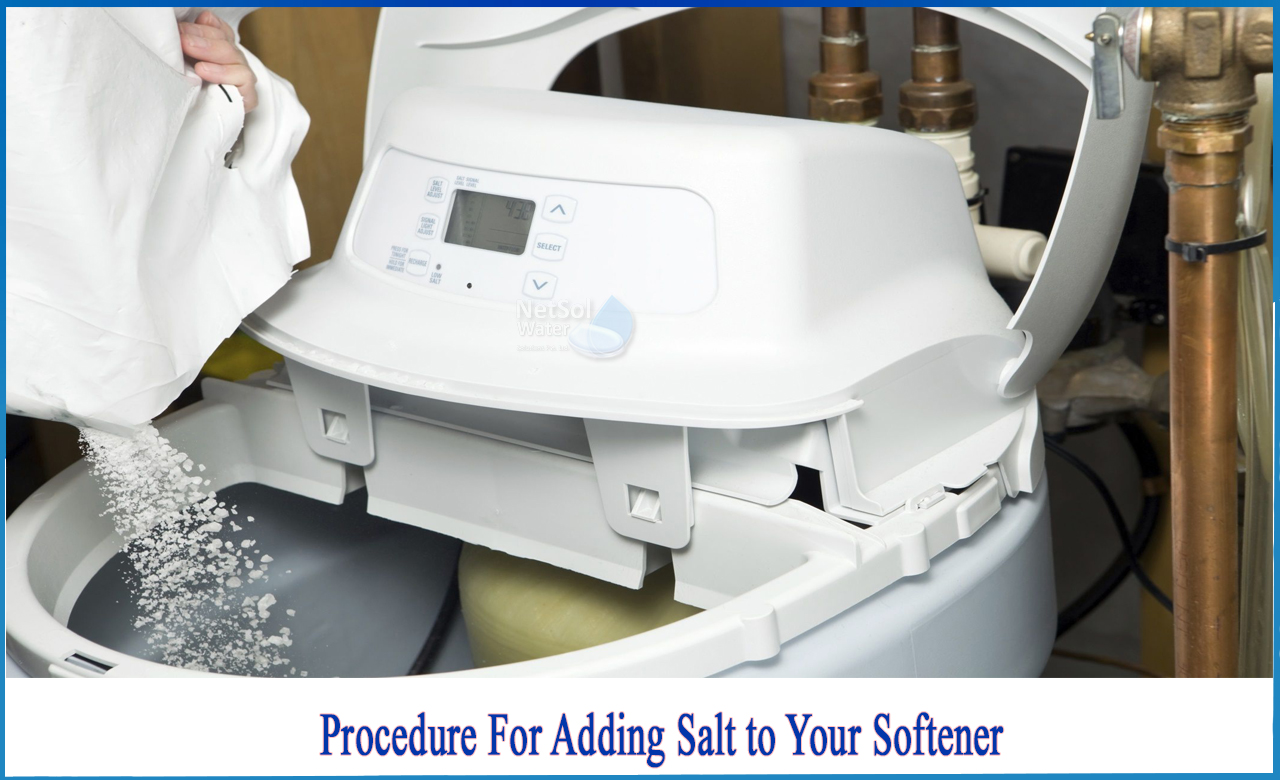 How to add salt to the water softener
I once opened mine to find a solid crust of salt that looked like the surface of Mars. My first mistake? Not checking how much salt was left before adding more. Always keep the salt level at least 10–15 inches above the water line, but never fill it to the brim—leave about four inches of air at the top.
Pro tip: if the salt looks bridged (hardened into an arch), break it with a broom handle. I’ve used a wooden spoon in a pinch, but don’t tell my wife. The spoon now lives in the garage.
Step Three: Pour It Like a Gentle Giant
Grab your bag of salt—they’re usually 40–50 pounds, so mind your back. I once tried to “hero lift” one and pulled a muscle that made me walk like an old cowboy for a week. Use a small scoop or a cup to avoid creating a salt avalanche that clogs the overflow drain.
Pour slowly, aiming for the middle of the tank, not the edges. The salt needs to land in the water, not build a castle on the dry walls. If you hear sizzling or popping sounds, that’s good—it means the salt is dissolving. If it sounds like a popcorn machine, you’re golden.
And here’s the ironic part: you’ll probably spill some salt on the floor. Don’t panic. Sweep it up and save it for icy sidewalks in winter. Waste not, want not, right?
Step Four: Check the Water Level (The Sneaky Step)
After adding salt, peer inside and look for the water level. It should be just below the salt line, never higher. If the water is too high, your brine tank is overfilled or you have a drain issue. The machine can handle that, but you’ll need to call a pro if it becomes a swimming pool.
I once ignored a high water level, and my softener started recycling every 20 minutes like a toddler with a new toy. My water bill doubled that month. Learn from my financial pain.
 How to Add Salt to Your Water Softener | Culligan - YouTube
If the water looks reddish or smells like rotten eggs, you’ve got iron bacteria. Time to flush the system with a cleaner—but that’s a separate adventure for another blog post.
When to Add Salt (And When to Walk Away)
Most people add salt every four to six weeks, but it depends on your water usage and family size. Check the salt level monthly—I set a reminder on my phone labeled “Salt the Monster.” You’ll see the big day coming when the salt drops below the water line.
If you’re going on vacation for two weeks? Top it off before you leave. I came home from a trip once to find my shower heads spitting mineral dust. My cat refused to drink the tap water—and she drinks from puddles.
One more thing: never add salt during a regeneration cycle. The machine will be humming and hissing like a steam engine. Wait until it’s quiet, or you’ll create a geyser of brine. Don’t ask how I know.
A Final Confession (And a Glass of Good Water)
I messed up my first three times. I used the wrong salt, I overfilled, I even dropped a whole bag on my foot. But now, my water feels like silk, my dishes shine, and my skin doesn’t itch. The unit purrs like a happy cat.
You’ve got this. Just remember: buy the right salt, fill slowly, and check the water level. And if the red light comes back? You can always call a plumber—or re-read this article while eating a salty snack.
Now go enjoy a bath without that “crunchy” feeling. You’ve earned it.
