How To Tell If Your Water Is Hard

So, you’ve noticed your dishes look like they’ve been in a pillow fight with a chalkboard, and your hair feels like straw after a rainstorm. Welcome to the world of hard water...
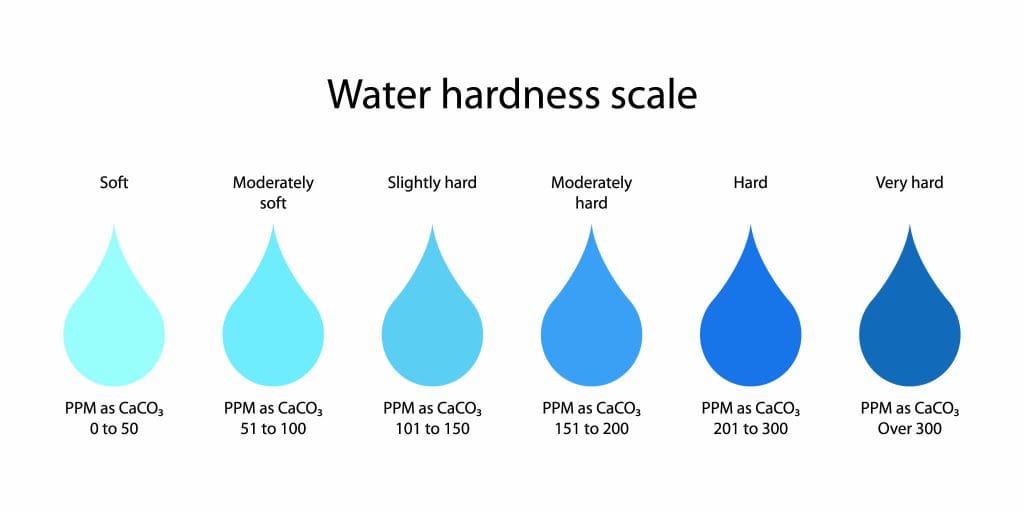
So, you’ve noticed your dishes look like they’ve been in a pillow fight with a chalkboard, and your hair feels like straw after a rainstorm. Welcome to the world of hard water, my friend. It’s not a workout routine, though your plumbing might beg to differ. Hard water is simply water that’s packed with minerals—mainly calcium and magnesium—that hitched a ride from the ground right into your tap.
The Soap Sulk Test
Here’s the first clue: your soap is a traitor. In soft water, a tiny squirt of liquid soap creates a glorious, bubbly lather. In hard water, that same soap turns into a sad, scummy film that clings to your skin like a needy ex. You’ll rinse and rinse, but you’ll still feel like you’ve been slathered in lotion you didn’t ask for.
If your shower gel disappears faster than your will to scrub, guess again. Hard water neutralizes soap’s superpowers, forcing you to use double the product for half the lather. It’s like a tax on cleanliness, and nobody voted for it.
Must Read
The Dish Detective Work
Look at your glasses after a wash cycle. If they’re covered in white spots that look like a polka-dot disease, that’s hard water graffiti. Those spots are calcium deposits—the mineral equivalent of a stubborn houseguest who leaves crusty fingerprints everywhere.
Even your dishwasher might start throwing a tantrum. If you notice a white, gritty film on your silverware that feels like sandpaper, you’ve got a mineral mosh pit in your machine. Pro tip: try a rinse aid—it’s like therapy for your silverware, but cheaper.
The Shower Head Horrors
Take a look at your shower head. If its little nozzles are clogged with white, rock-like nubs, you’re not imagining things—that’s mineral buildup trying to stage a coup. It’s like your shower head is growing its own fossil collection, and it’s not even doing it for fun.
This buildup can reduce your water pressure to a pathetic dribble, making you feel like you’re showering under a melting icicle. Surprising fact: a single shower head can accumulate up to a pound of mineral scale per year. That’s the weight of a small bag of potatoes, just chilling in your bathroom.
 Effective Methods for Accurately Testing Water Hardness at Home - Smart
The Laundry Lament
Check your laundry. If your white socks come out looking gray and stiff, like they’ve been mummified, hard water is the culprit. The minerals form a soap scum that clings to fabric, making colors fade faster than a New Year’s resolution.
You might also notice your clothes feel scratchy, even after using a full bottle of fabric softener. That’s because the minerals are binding to the fibers, turning your cosy sweater into a medieval hair shirt. Surprising fact: using just one teaspoon of washing soda per load can help break up those mineral bonds—it’s like a karate chop for your laundry.
The Coffee Calamity
If your morning coffee has a weird, chalky aftertaste—like someone dumped a Tums in your mug—hard water is the barista from hell. The calcium reacts with the coffee’s oils, creating a bitter, flat flavor that no amount of sugar can fix.
Your kettle probably looks like a geological exhibit inside. If the bottom is covered in a white crust that flakes off into your tea, you’re basically drinking mineral soup. Pro tip: descale your kettle with vinegar monthly. It’s cheap, effective, and smells like a science fair.
 Why Is There Water In My Soft Water Tank at Jaclyn Glenn blog
The Skin and Hair Struggle
Hard water is not your skin’s best friend. After a shower, you might feel like you’re covered in a thin, invisible film—because you are. That film traps dirt and clogs your pores, leading to breakouts even if you’re decades past puberty.
Your hair? It becomes a dry, frizzy mess that defies all product. The minerals coat each strand, making it impossible for conditioner to penetrate. Surprising fact: hard water can actually make your hair darker over time because the minerals build up and change its reflectivity. So if your blonde locks are turning brassy, it might not be your stylist’s fault—it’s your tap.
The Testing Tricks (No Lab Coat Required)
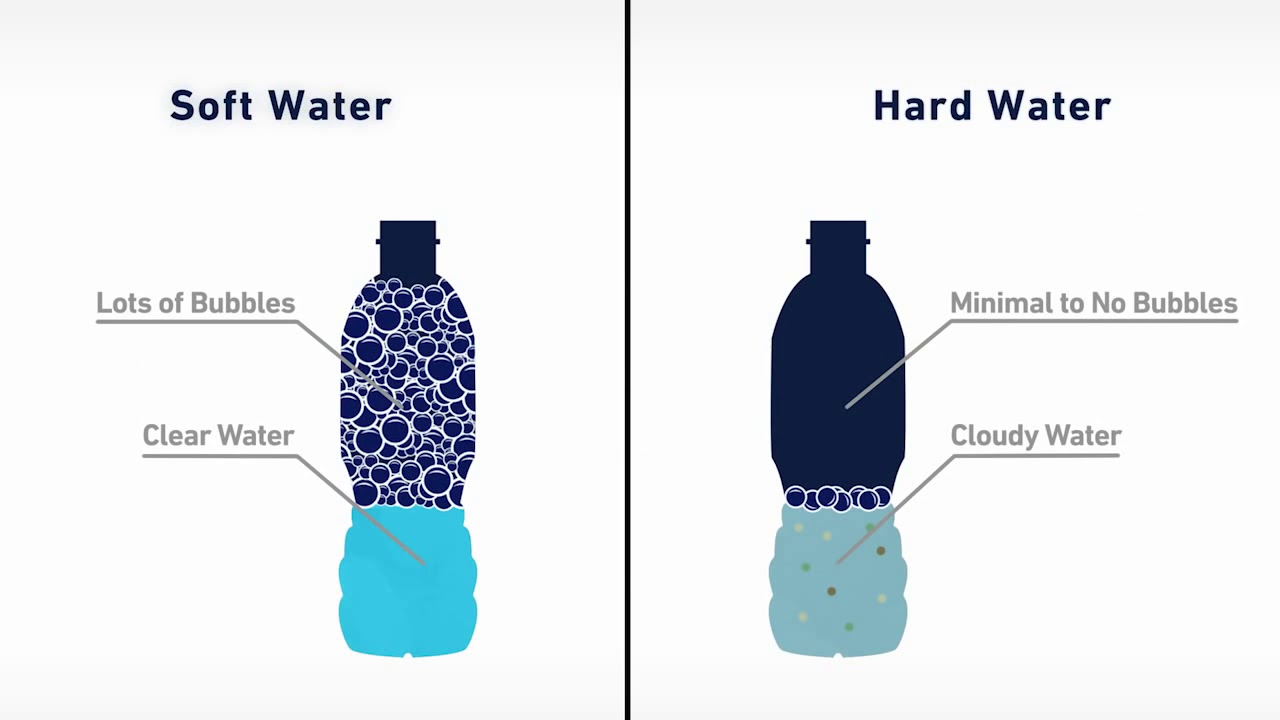
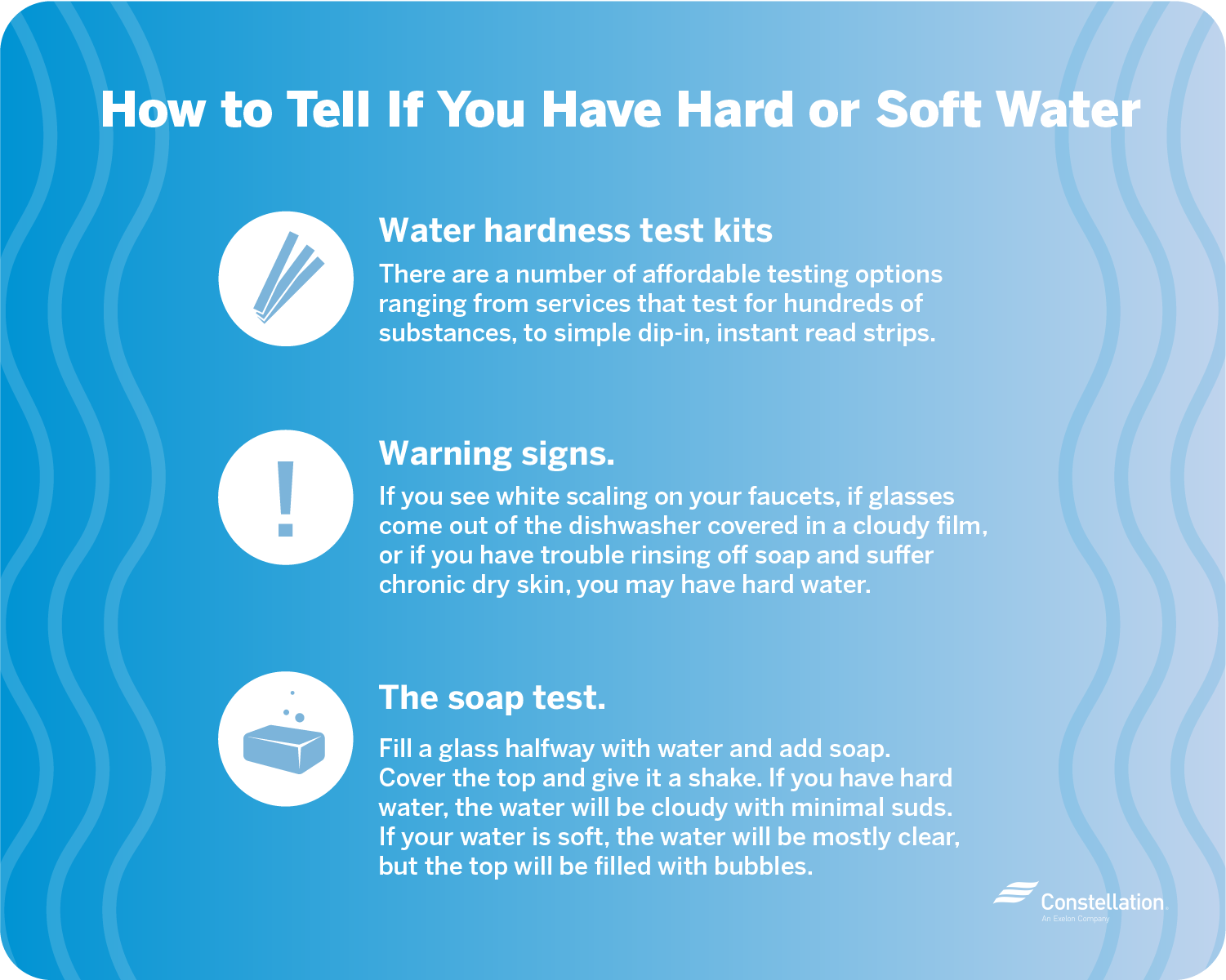
Want to be sure without buying a kit? Fill a clean, clear bottle with tap water, add a few drops of pure liquid soap (not detergent), and shake it. If it creates a fluffy cloud of bubbles, you’re in soft water territory. If it looks like a murky, flat puddle with no foam, bingo—hard water.
Another trick: check your pipes. If your faucets have white crust around the base that chips off like old paint, that’s mineral scale. It’s not mold, so don’t panic—just get ready to scrub or call a plumber. Surprising fact: about 85% of homes in the United States have hard water. You are not alone—you’re part of a crusty, mineral-rich club.
The Final Rinse
Hard water isn’t dangerous to drink, but it’s a total nuisance for your home, skin, and sanity. The good news? A water softener can fix it, or you can adapt with vinegar, specialized shampoos, and a sense of humor. Remember: every time you see a spotty glass or a grumpy shower head, you’re just witnessing nature’s geology in your kitchen. And that, my friend, is oddly impressive—even if it ruins your coffee.
