How To Get Iron Out Of Well Water

So, there I was, staring at my mother-in-law’s pristine, white porcelain sink. It looked like a crime scene. Bright orange stains were everywhere, dripping down the drain like...

So, there I was, staring at my mother-in-law’s pristine, white porcelain sink. It looked like a crime scene. Bright orange stains were everywhere, dripping down the drain like rusty tears. I felt a cold sweat—not from the plumbing, but from the fear of her judgment. “What have you done to my sink?” I could already hear her say.
Relax. It wasn’t blood. It was iron. That nasty, rusty devil that lives in your well water. If you’re reading this, you probably have the same orange demon lurking in your pipes. You’re not alone, and you don’t need a hazmat suit to fight it.
First, Know Your Enemy: What Kind of Iron Are You Dealing With?
Not all rust is created equal. You might have “clear-water iron”, which is sneaky. It comes out of the tap crystal clear, then turns red after it hits the air.
Must Read
Or you might have “red-water iron”, which looks like something from a horror movie right from the start. And then there’s “iron bacteria”—the grossest one. That one leaves a slimy, reddish-brown goo in your toilet tank. Yep, I went there.
How do you know which one you have? Easy. Fill a clear glass with water right from the tap. If it turns rusty in a few minutes, you’ve got clear-water iron. If it’s already orange, hello, red-water iron. If it looks like swamp water, congrats—you’ve got bacteria.
Option 1: The “I’m on a Budget” Trick (Oxidation & Sediment Filters)
This is for the tough guys who don’t mind a bit of hardware. You’re basically going to force the iron to rust on purpose, then catch it. Sounds counterintuitive, right?
Pick up a simple sediment filter housing at a hardware store. Install it after your pressure tank. The filter will catch the rust particles after they’ve oxidized naturally in the pipes.
Pro tip: You’ll be changing those blue filter cartridges a lot. Like, every two weeks at first. Stock up on them. Or get a reusable, washable filter—your wallet will thank you.
Option 2: The “Set It and Forget It” Method (Water Softeners)
This is the gold standard for low to moderate iron. A standard water softener uses resin beads to swap iron for salt. It’s like a magic trick, but with plumbing.
 How To Remove Iron From Well Water? Find Out The Best Ways
But wait—not every softener is built for iron. You need one with a “resin cleaner” or “iron-out” additive feature. Otherwise, the iron will glue your softener up like a bad hair day. I learned this the hard way. The repair guy laughed at me.
If you have more than 5 ppm (parts per million) of iron, a standard softener will fail. You need the big guns. Look for a system with a separate tank or a special resin designed for high iron.
Option 3: The “Nuke It from Orbit” Method (Oxidation Systems)
This is for the hardcore iron problem. If your water tastes like licking a rusty nail, you need chlorination or aeration. These systems literally oxidize the iron instantly and flush it out.
A chlorine injection system adds a tiny bit of bleach to your water. It sounds scary, but the chlorine evaporates off, leaving you with clean water. The iron becomes solid rust particles that a filter catches.
Or try an air-injection oxidizer. It uses compressed air to force the iron to rust inside the tank. It looks like a sci-fi prop in your basement. No chemicals needed, just physics.
Option 4: The “Look, Ma, No Hands” Fix (Reverse Osmosis)
You don’t have to treat the whole house. Sometimes, you just want a glass of water that doesn’t look like iced tea. That’s where reverse osmosis (RO) comes in.
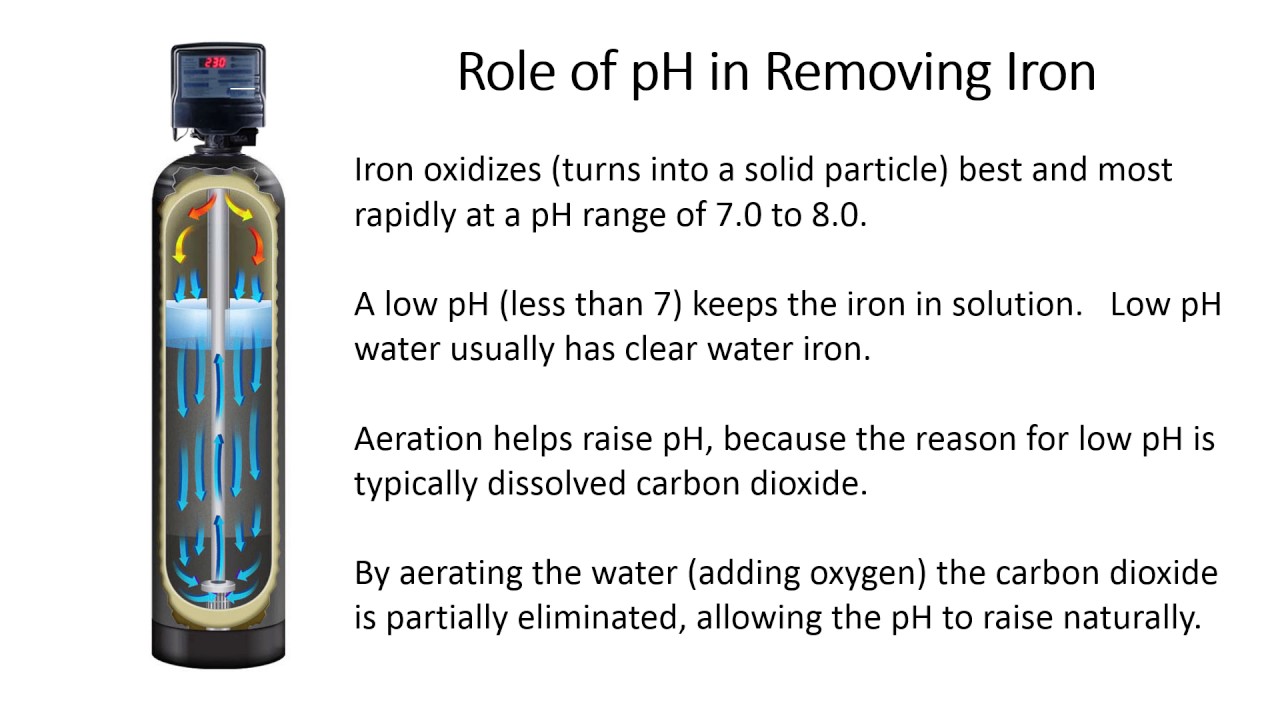 Removing Iron From Well Water Systems at Edward Oneal blog
An under-sink RO system will strip out 99% of the iron for your drinking water. It’s slow and wastes some water, but the result is pure. It won’t stop the orange toilet bowl, though.
Pair it with a cheap point-of-use filter on your kitchen faucet. You get clear ice cubes and coffee that actually tastes like coffee, not metal. That’s a win.
Last, But Not Least: Don’t Forget the Bacteria
If you saw that slimy goo, you need to shock your well with chlorine first. Nothing else will work until you kill the bacteria. It’s a dirty job, but it’s a one-time thing (hopefully).
Follow the “well chlorination” instructions online. Wear gloves. And don’t drink the water until the chlorine smell is gone. Trust me, you’ll know when it’s safe—your nose will thank you.
So, there you have it. From orange sinks to crystal clear—it’s totally doable. You’ve got options, and none of them require breaking a sweat. Or dealing with your mother-in-law’s side-eye.
Now go get that rust out of your life. Your laundry, your coffee, and your bathroom sink will all send you a thank-you note. I’ll be here, sipping my clean water, proudly rust-free.
