How To Get Help For Mental Health

Okay, let’s be real for a second. Life can feel like a chaotic, loud, and sometimes overwhelming video game where you’ve lost the controller. You’re not alone in that—everyone...
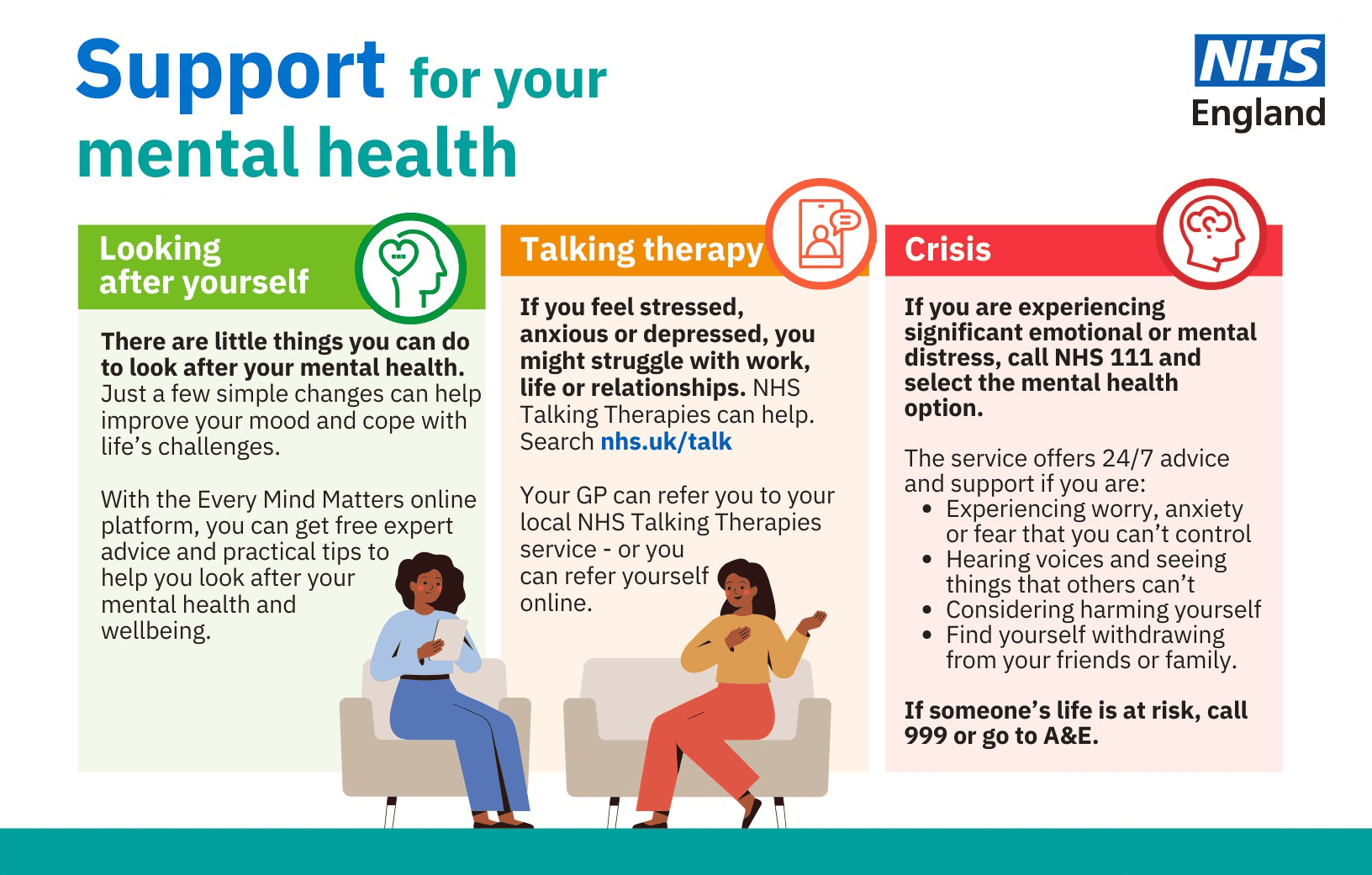
Okay, let’s be real for a second. Life can feel like a chaotic, loud, and sometimes overwhelming video game where you’ve lost the controller. You’re not alone in that—everyone hits a glitch now and then. The good news? You don’t have to play on hard mode forever because asking for help is actually a superpower.
Why This Makes Life More Fun (Seriously!)
Think of mental health care like regular maintenance for your favorite car. You wouldn’t wait for the engine to explode before checking the oil, right? Getting help early means more energy for the stuff you love—like laughing with friends, trying weird hobbies, or just enjoying a sunny afternoon without a cloud of worry.
When your mind feels lighter, everything gets easier. That nagging self-doubt? It fades. That feeling of being stuck? You start moving again. And suddenly, life isn’t just about surviving—it’s about thriving in the fun, messy, wonderful chaos.
Must Read
Step One: Start Small (Like, Tiny)
You don’t need to book a therapist this second—unless you want to, and then go for it! Start by telling one trusted person how you feel. It could be a friend, a parent, or even your barista if they give good advice between lattes.
Pro tip: Use the “one sentence rule.” Say, “I’m having a rough week,” or “My brain feels like a browser with 50 tabs open.” That’s it. No need for a full monologue. Just opening the door lets a little light in.
Step Two: Talk to a Pro (They’re Actual Humans)
Therapists and counselors aren’t mysterious wizards in tweed jackets. They’re trained listeners who help you untangle your thoughts. It’s like having a personal trainer for your brain, but instead of squats, you do self-compassion reps.
Here’s the secret: You can find them online or in person. Apps like BetterHelp, Talkspace, or even local community clinics offer sliding-scale fees. No insurance? No problem—many nonprofits provide free or low-cost sessions. You deserve this.
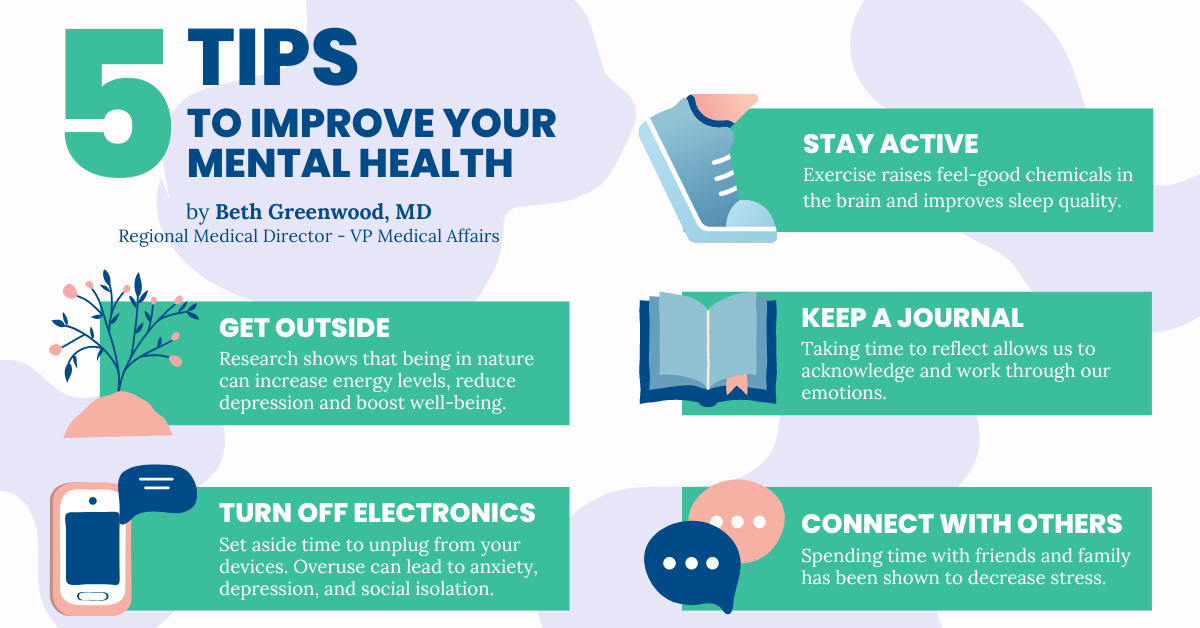 5 Tips to Improve Your Mental Health - Consensus Health
And if the first therapist feels “off”? Try another. Finding the right fit is like dating—sometimes you need a few coffee dates to find your person.
Step Three: Use Your Friends (They’re Free!)
Friends aren’t therapists, but they are witnesses to your life. Tell them, “I need to vent for 10 minutes,” or “Can we just watch cartoons and eat snacks?” Setting boundaries makes support safe and fun—not a chore.
Also, consider peer support groups. Yes, they can feel cheesy, but sharing stories with strangers who get it is oddly healing. You might even laugh. (Laughter is basically brain medicine, right?)
The “Fun” Part: Rewire Your Brain with Tiny Habits
Getting help doesn’t have to be heavy. Try these ridiculously small dopamine boosts: dance in your kitchen for 30 seconds, text a friend a weird meme, or write down three silly things you’re grateful for (like “clouds that look like dinosaurs”).
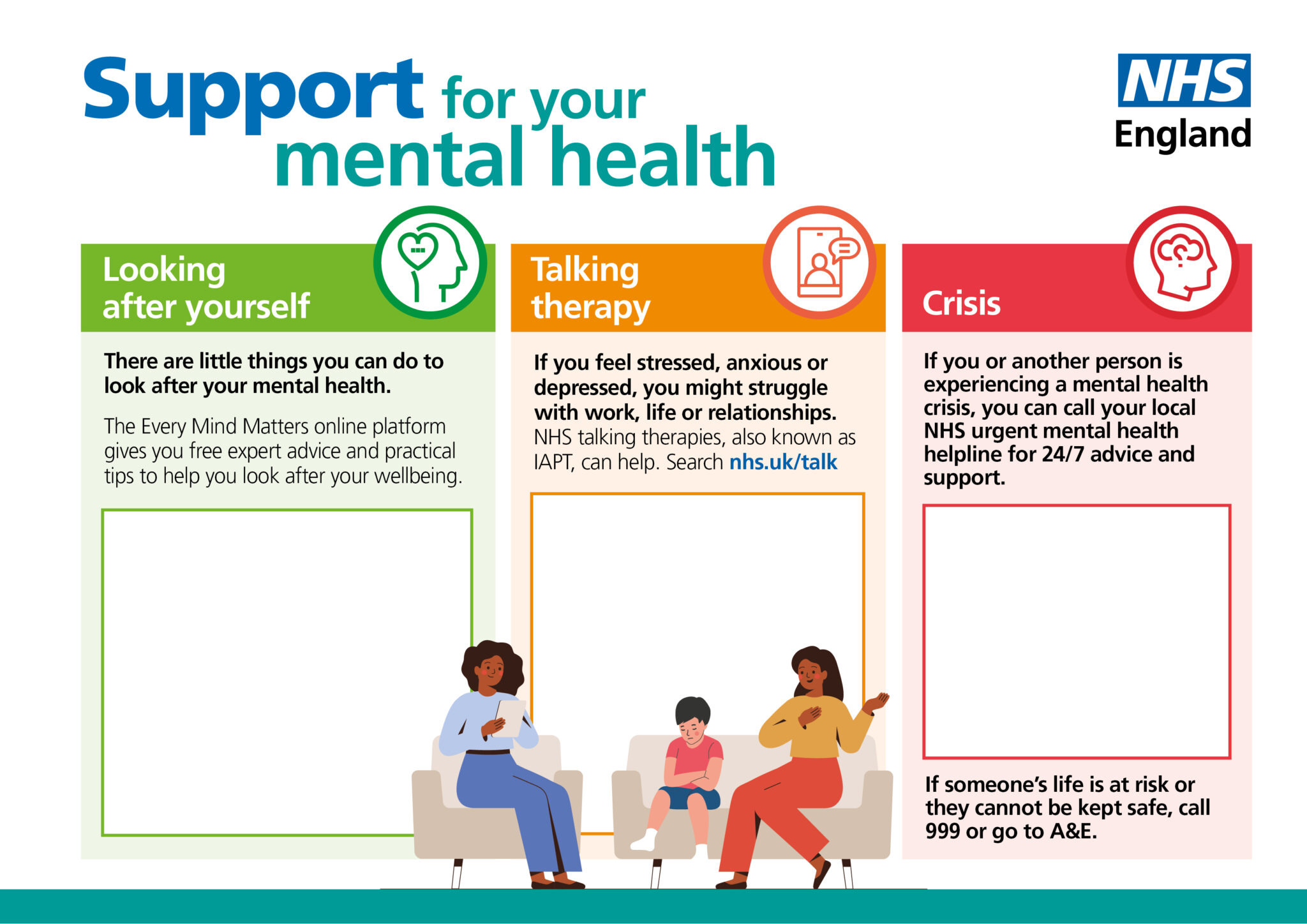 NHS England » Going further for winter – mental health supporting resources
Combine these with professional support, and you’ve got a double-shot espresso of mental wellness. The goal isn’t to never feel sad—it’s to make room for both sadness and joy. Like a playlist that mixes ballads with bangers.
When to Level Up
If you’re feeling stuck, hopeless, or like you can’t get out of bed, that’s a signal to call a crisis line. In the US, dial 988 right now. In the UK, call 111. It’s free, confidential, and the people on the other end are trained to help you breathe again.
Remember: Asking for help is a flex. It shows you value yourself enough to grow. And growth? That’s the ultimate life hack for having more fun, more connection, and more peace.
A Final, Uplifting Nudge
You are not broken. You are human—a glorious, messy, wonderful work in progress. The moment you reach out, you’re already winning. So take a deep breath, pick your first tiny step, and smile because you’ve got this. And if you’re curious about more tools, apps, or stories? Google “mental health podcasts” or “cute therapy memes” and dive in. Your brain will thank you—and your life will get a whole lot more fun.
