Does Reverse Osmosis Remove Salt

You’re staring at your tap water. It tastes like the ocean after a bad breakup. You wonder: can reverse osmosis really yank out all that salt? The short answer? Yes, absolutel...

You’re staring at your tap water. It tastes like the ocean after a bad breakup. You wonder: can reverse osmosis really yank out all that salt? The short answer? Yes, absolutely. It’s like a bouncer for your drinking glass—but a really picky one.
How Does This Magic Trick Work?
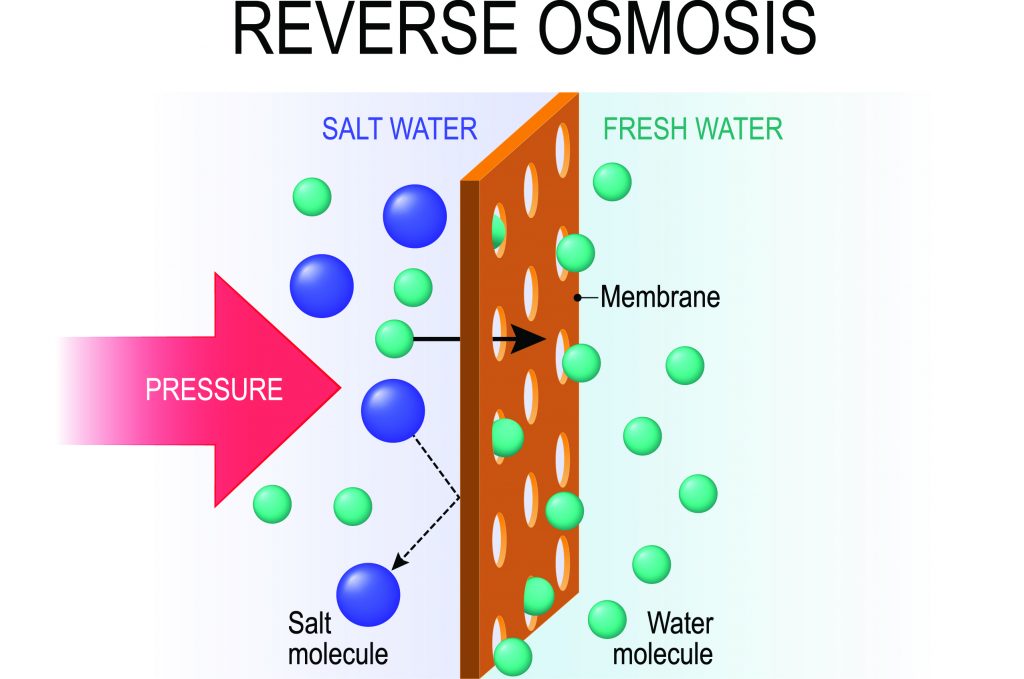
Reverse osmosis uses a semi-permeable membrane. Think of it as a microscopic colander for water molecules. Salt ions are chunky. Water molecules are slim. Guess which one fits through? Only water.
It’s called “reverse” osmosis because it fights nature. Normally, water moves from low-salt to high-salt. Reverse osmosis claps back and shoves water against its will. With a pump. And some serious sass.
Must Read
The system forces water through plastic sheets with teeny-tiny holes. Salt? Blocked. Minerals? Blocked. That weird taste from last night’s pizza? Blocked. It’s like a VIP lounge for H₂O.
But Does It Really Remove All Salt?
Almost. We’re talking 95–99% removal rates. That’s not 100%, but it’s close enough to make seawater drinkable. The U.S. Navy uses these things. Submarines rely on them. If it’s good enough for nuclear subs, it’s good enough for your kitchen counter.
One funny detail: the leftover brine is super salty. It’s called reject water. It’s basically the “you can’t sit with us” outcast. Most systems flush it down the drain. Sorry, fish.
Here’s a wild fact: reverse osmosis was invented in the 1950s by researchers trying to separate uranium isotopes. Uranium. Then someone said, “Hey, let’s try salt.” And now we have fancy faucets. Science is weird.
So, Does It Taste Different?
You bet. Salt-free water tastes... clean. Some say flat. The minuscule left over minerals are gone too. That’s why people add “remineralization” cartridges. They sprinkle back a pinch of calcium for that mountain spring vibe.
But if you’re making coffee with RO water? Prepare for brilliance. No salt means no bitter notes. Just pure, punchy java. Taste buds rejoice.
 Reverse Osmosis (RO) - Definition, Working Principle, Process
One time, my friend asked, “Can I make ocean water into margarita mix?” Technically, yes—but you’d need industrial gear. And then you’d still need tequila. Priorities.
Real-Life vs. Gadget Life
You don’t need a lab. Countertop RO units exist. They look like a robot’s stomach. You pour water in, and it takes an hour to filter a gallon. But it works. Yes, it removes salt from tap water. Also chlorine, fluoride, and that metallic tang from old pipes.
But here’s the punchline: RO systems waste water. For every gallon you drink, about 3 gallons go down the drain. That’s the price of purity. Like ordering a salad and throwing out the croutons.
Also? The filter needs replacing every 6–12 months. If you forget, your salt-free dream turns into a salty nightmare. Set a reminder. Your taste buds will thank you.
Are There Any Weird Side Effects?
Very, very pure water can be a bit aggressive. It’s “hungry” for minerals. If you store it in a metal tank, it might leach tiny amounts of metal. That’s why parts are plastic. Or you get a glass carafe. Problem solved.
Another oddity: RO water can kill aquarium fish if you add too much. Fish need trace minerals. Pure water shocks their gills. Don’t pour your filtered water into a goldfish bowl. Fish are not tiny submarines.
 New Findings May Lead to Sea Change in Desalination Technology - UConn
But for you? It’s harmless. Your body has plenty of minerals. The salt you eat in chips makes up for any loss. Science calls this “balance.” I call it “excuse to eat chips.”
The Big Picture—Why Should You Care?
Reverse osmosis is not just for desalination plants in the desert. It’s for camping trips. For hurricanes. For that time you accidentally filled your water bottle from a tide pool. (Don’t ask.)
And it’s fun to impress your friends. At parties, you can say, “Did you know RO removes 99% of dissolved solids?” They’ll think you’re a wizard. You can then sip your pure water and wink.
Plus, think about the planet. Desalination plants use RO to turn ocean water into drinking water for millions. The largest one? In Israel, near Tel Aviv. It makes 150 million gallons a day. That’s enough to drown your entire family reunion, repeatedly.
Final Splashy Thought
Does reverse osmosis remove salt? Yes. It’s a high-tech sass machine. It’s the reason astronauts drink recycled pee (true story—they use RO). It’s why you can survive on a desert island with a tiny device and a lot of patience.
So next time you sip that crisp, salt-free glass of water, raise it high. Toast to physics. Toast to the 1950s. And toast to never tasting the ocean in your morning coffee again.
Salt, you had a good run. Reverse osmosis took your job. And honestly? Your replacement is perfect.
