Does Bottled Water Have Flouride

Okay, let’s settle this once and for all. You’re standing in the grocery aisle, sweating from the sheer effort of deciding what to drink. You grab a bottle of fancy water—glac...

Okay, let’s settle this once and for all. You’re standing in the grocery aisle, sweating from the sheer effort of deciding what to drink. You grab a bottle of fancy water—glacier-sourced, probably blessed by a Norwegian yak. Then your brain hits you with the big one: “Wait… does this have fluoride in it?” I’m here to solve that mystery, and I promise to keep it more interesting than a dentist's waiting-room magazine.
First, let’s get the boring but crucial part out of the way. Fluoride is a mineral that helps prevent tooth decay. It’s like a tiny bodyguard for your enamel, fighting off sugar-crazed bacteria. Tap water in most developed countries has it added deliberately—about 0.7 parts per million. Yes, your government is basically medicating your drinking water, but for your teeth, not your soul. It’s a public-health victory, even if it sounds like a conspiracy theory your uncle posts about on Facebook.
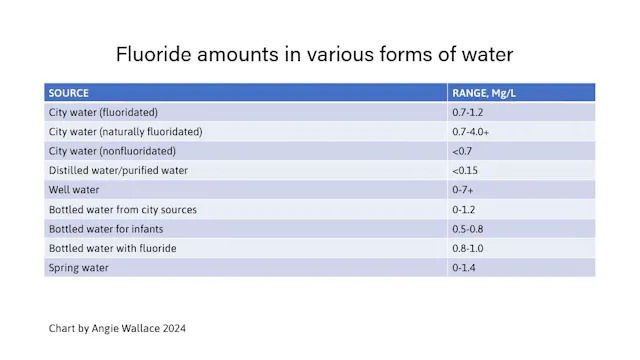
Now, bottled water? It’s a wild west of fluoride. Some brands have none. Some have trace amounts. Others—especially those labeled “spring water”—might have natural fluoride that varies from batch to batch. The shocking truth? Most bottled water companies don’t add fluoride. They want you to think their water is “pure” (read: boring) and untouched by human hands. Unless you’re buying a brand that explicitly markets itself for babies or dental health, you’re probably getting H2O that’s as fluoride-free as a stand-up comedian’s dental plan.
Must Read
Here’s where it gets funny: people freak out about fluoride in water, but they’ll happily chug a soda that dissolves a nail in 24 hours. I’m not judging—I’ve done it. But you’re avoiding “chemicals” in your water while mainlining high-fructose corn syrup? Talk about misplaced priorities. The real horror story is the plastic bottle itself, which sheds microplastics into your drink. Fluoride is the least of your worries when you’re sipping from a container that will outlive your great-grandchildren.
For the paranoid among us: yes, you can find out exactly how much fluoride is in your bottled water. The FDA doesn’t require companies to list it unless they add it, but many brands publish the info online. For example, Dasani and Aquafina (the soda company waters) typically have near-zero fluoride. Conversely, some boutique brands like Evian or Fiji might have natural levels up to 0.2 ppm—still a fraction of tap water. So if you’re trying to avoid fluoride, you’re probably fine. If you’re trying to get it for your teeth? You need to drink about 10 bottles of tap water to match one mouthful of toothpaste. Good luck.
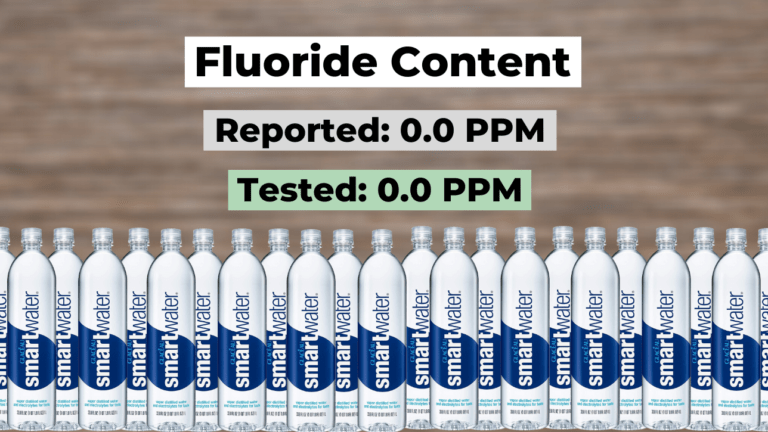 Does Smartwater Have Fluoride? - Truth About Fluoride
Let’s talk about the elephant in the room: “But I heard fluoride is toxic!” Sure, if you down a tube of toothpaste like it’s a protein shake. Fluoride is toxic in massive doses, just like water is (look up “water intoxication”—it’s a real party trick). The amount in tap or bottled water is so low, you’d need to chug a swimming pool’s worth to feel anything. Your dentist didn’t turn into a supervillain by recommending water fluoridation; they just want you to have fewer cavities. Relax.
Now, for the surprising fact that will make you the hero of your next dinner party: In the 1950s, the US government literally put fluoride in some prison water supplies without telling inmates to see if it reduced cavities. It worked. They got better teeth but terrible trust issues. Bottled water today? No such experiments, unless you count the marketing department trying to convince you that “mountain fresh” means something. It doesn’t. It means they filtered tap water and charged you $3.
 Fluoride: What’s new, what’s not, and what do dental patients need to
So what’s the takeaway? If you only drink bottled water, you might be missing out on fluoride for your teeth, especially if you avoid tap. The American Dental Association actually says, “Drink tap water if you want cavity protection.” That’s right—the cheapest water is the best for your mouth. Bottled water is for convenience, not oral health. Unless you find a brand that boasts “fluoride added,” treat it like a luxury break from dental responsibility.
Final verdict: Check the label. If your bottled water doesn’t say “fluoride” anywhere, it probably has zero. And that’s fine—you can get your fluoride from toothpaste, mouthwash, or by licking a rock (please don’t). Just don’t stress about it. Your teeth will survive. Your wallet, however, will weep at the price of that artisanal glacier water. But hey, at least it’s fluoride-free, right?
Go forth and hydrate. And maybe, just maybe, consider filling a reusable bottle from the tap. Your teeth—and the planet—will thank you. Plus, you’ll have a cool story about fluoride conspiracies to tell at your next awkward brunch. Cheers!
