What Does Cold Water To The Body

Let’s be honest: the idea of dumping cold water on your body sounds like something only a prison warden or a very enthusiastic Viking would enjoy. But here we are, in 2024, an...

Let’s be honest: the idea of dumping cold water on your body sounds like something only a prison warden or a very enthusiastic Viking would enjoy. But here we are, in 2024, and people are paying for this experience. They call it “cold exposure,” “ice baths,” or, my personal favorite, “a really bad idea that feels amazing afterward.”
So, what does cold water actually do to your body? Prepare yourself. The answer involves a lot of biological screaming, followed by a surprising amount of happiness. It’s like your nervous system getting hit with a double espresso shot made of panic.
Your Brain Thinks You’re Dying (Spoiler: You’re Not)
The moment that freezing water hits your skin, your brain pulls the fire alarm. It releases a flood of norepinephrine, a chemical that makes you feel hyper-alert, like you just drank three coffees and heard a bear outside your tent. This is the famous “cold shock response.”
Must Read
Your heart rate spikes, your blood vessels constrict, and you gasp like a fish that just remembered it has lungs. It’s terrifying. But here’s the hilarious twist: that panic lasts about 30 seconds. After that, your body goes, “Oh, fine, we’re doing this now,” and shuts up.
The surprise benefit? You get a massive mood boost. Studies show that cold water can increase dopamine levels by 250% for hours afterward. That’s like winning a small lottery, but you just had to stand in a bucket of ice to claim your prize.
Your Immune System Gets a Shock Tactic
Imagine your immune system as a lazy cat. Cold water is like throwing a cucumber behind it. It doesn’t hurt the cat, but it wakes it the heck up. Cold exposure has been shown to increase the production of white blood cells and anti-inflammatory molecules.
One Dutch study even found that people who practiced cold showers and breathing exercises got 29% fewer sick days. That statistic is so good it feels like a lie, but it’s true. You trade 30 seconds of screaming for a week of not coughing on the bus.
But be warned: if you already have a cold, jumping into icy water won’t cure it. That’s just an excellent way to make your nose run faster than a marathon cheat. Don’t be that person.
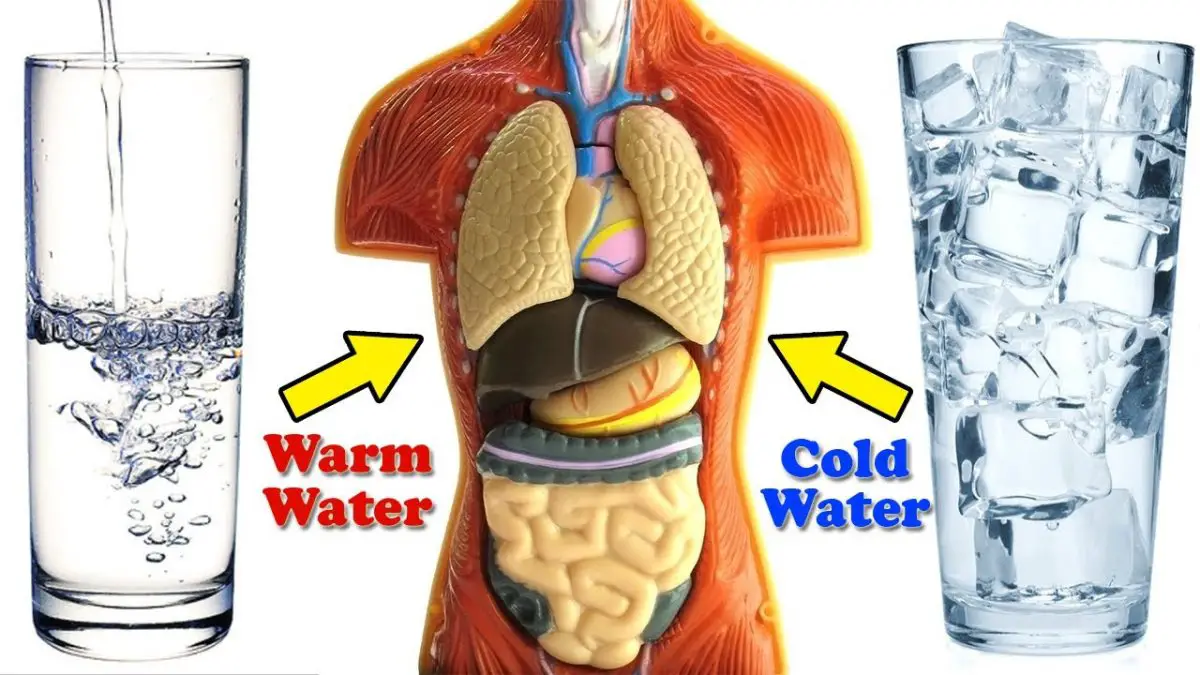 Should I Boil Warm Or Cold Water at Judith Shoup blog
Your Muscles Stop Complaining (Eventually)
Athletes love ice baths for a reason: they reduce inflammation and muscle soreness. When you finish a brutal workout, your muscles look like they threw a tiny riot. Cold water tells that riot, “Party’s over. Go home.”
The science is simple: cold constricts blood vessels, which reduces swelling. Then, when you get out and warm up, blood rushes back in and flushes out all the metabolic junk—like your muscles hired a cleaning crew paid in shivers. For best results, try it within 30 minutes of exercise.
Just don’t do what I did and take an ice bath after a 5K while eating a popsicle. That’s not recovery; that’s performance art.
The Fat That Burns Calories While You Shiver
Here’s a fact so weird it sounds like science fiction: you have brown fat. Unlike the white fat you can pinch, brown fat is like a space heater for your organs. Cold water activates it, and it literally burns calories to keep you warm.
One study showed that people who sat in cold rooms for two hours a day burned an extra 150 to 200 calories. That’s the equivalent of a small cookie, which you will absolutely eat immediately after to recover your dignity. But still—free calorie burning while you shiver and curse your ancestors.
 Four stages of cold water immersion - YouTube
The trick is consistency. You don’t get the benefit from one dunk. You need to do it regularly, like a subscription service to self-loathing that somehow pays dividends in health. But the payoff: a metabolism that works harder without you doing jumping jacks.
How to Survive Your First Attempt
I’m not saying you should fill your bathtub with ice right now. But if you’re tempted, start stupid small. Try 30 seconds of cold water at the end of your shower. It feels like a betrayal of everything warm and good.
Graduate to a full cold bath at 50–60°F (10–15°C). Do not go alone. This is a social activity, like a book club where the only book is “Get Tough or Get Out.” Keep a towel and a warm drink nearby. And for the love of all that is holy, breathe.
Your first time, you will gasp, your teeth will chatter, and you will question your life choices. But when you get out, wrapped in a hoodie, you’ll feel like you just wrestled a polar bear and won. That feeling—that ridiculous, shivering victory—is what keeps people coming back.
The Bottom Line
Cold water to the body is a controlled crisis. It’s a temporary stress that makes your brain, muscles, and fat cells all do a little dance of panic and repair. The result? Better mood, stronger immunity, less inflammation, and a story so weird your friends will think you joined a cult.
So go ahead. Turn the tap to the blue side. Your future self, shivering but victorious, will thank you. And if they don’t, just tell them the science says so. The water is cold. The benefits are real. The joke is entirely on your past self.
