How Long Does Water Bottles Last

So, you just picked up a shiny new water bottle. It’s pristine, it’s perfect, and you swear you’ll never lose it. But then reality hits: how long does this thing actually last...
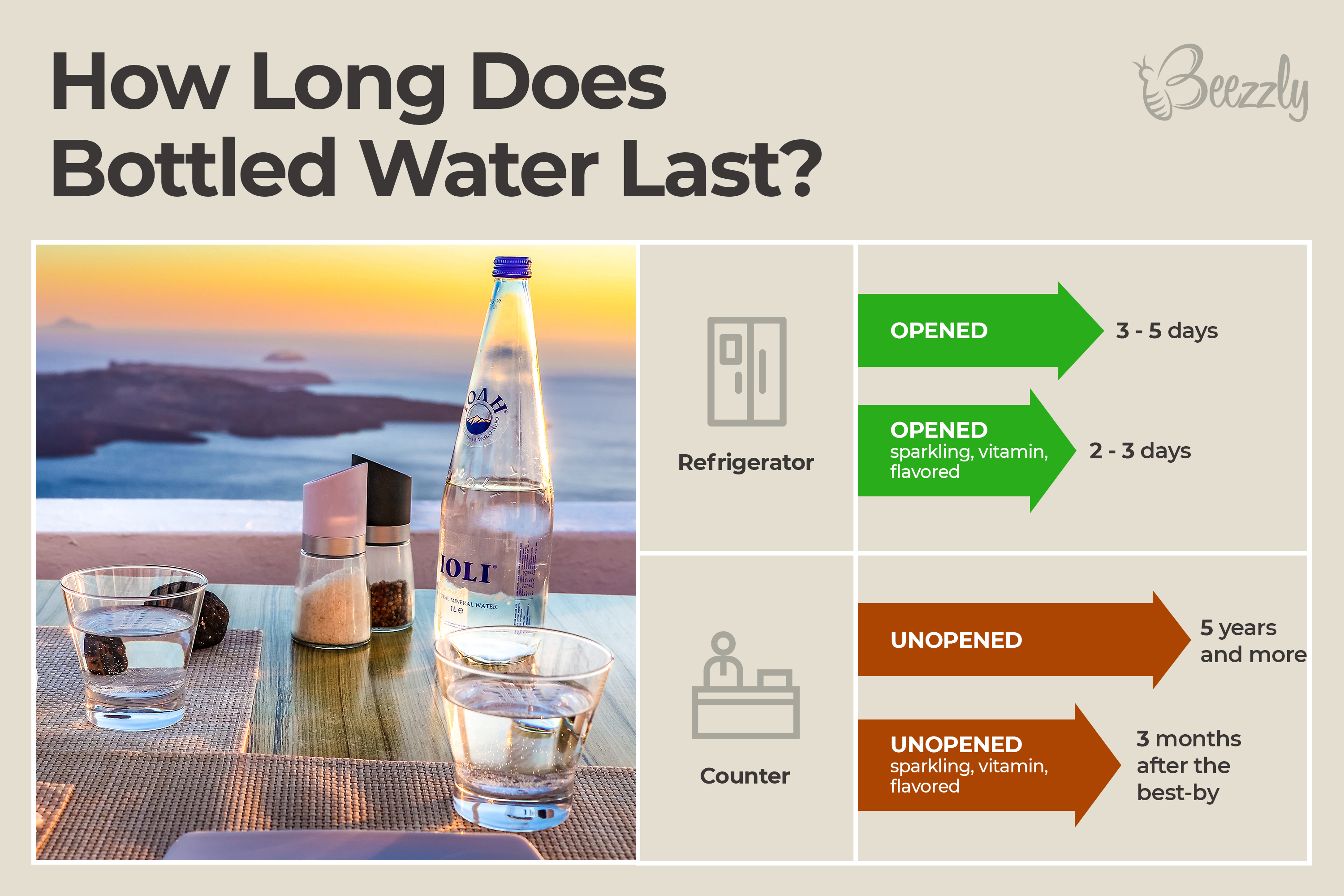
So, you just picked up a shiny new water bottle. It’s pristine, it’s perfect, and you swear you’ll never lose it. But then reality hits: how long does this thing actually last? Let’s spill the tea—or better, the water—on that subject.
First, let’s tackle the gross stuff. Your water bottle is a battleground. Bacteria, mold, and mystery gunk love dark, damp places. Your bottle is basically a tiny, portable petri dish. That’s why experts scream that you shouldn’t keep the same water inside for more than a day or two. Refill it daily, or your “refreshing sip” becomes a science experiment.
But what about the bottle itself? How many years can it survive before it’s a sad, scratched relic? Well, it depends heavily on what it’s made of. Plastic bottles—the most common kind—have a secret life. Most are made from #1 or #7 plastic, which can leach chemicals over time. Experts say replace plastic bottles every 6 to 12 months. Yes, that’s shorter than your New Year’s resolution.
Must Read
The Stainless Steel Superstars
Metal bottles? They’re the tortoises of the hydration world. A good stainless steel bottle—like a Hydro Flask or a Yeti—can last 5, 10, even 20 years. That’s practically a lifetime in water-bottle years. The catch? The inner liner can get dinged, and those vacuum seals can fail. Drop it hard, and you might hear a sad, useless rattle. Then it’s a fancy paperweight.
Glass bottles are the pretty but fragile friend. They’re non-toxic and won’t hold smells. But one tumble onto concrete, and you’re sweeping up a thousand tiny tragedies. They last as long as your coordination holds up. For most of us? That’s about two months, tops.
The Real Culprit: The Lid and Mouthpiece
Here’s where it gets nasty. The lid and the straw are the real time bombs. They’re full of cracks and crevices where bacteria throw parties. If you have a flip-top or a pop-up straw, replace that lid every 3 to 6 months. Seriously. That little silicone seal gets funky fast. No amount of baking soda paste can save it forever.
 How Long Does Bottled Water Last? Is Bottled Water Safe after Its
You know that faint, wet-dog smell your bottle gets after a month? That’s biofilm. It’s a bacterial colony saying hello. If you can’t scrub it off with hot soapy water and a brush, toss the bottle. You’ll taste the difference. Trust me, your tongue will thank you.
Signs It’s Time to Say Goodbye
How do you know when your bottle is past its prime? Look for these glowing red flags. If you see cracks, dents, or cloudiness in plastic, it’s over. Cloudy means micro-plastics are flaking into your drink. Yum, right? Or if the lid doesn’t seal tightly anymore, it’s time. A leaky bottle is just a wet bag that lies to you.
Another tell: mold in the straw or under the lid gasket. If you’ve scrubbed and it still looks like a tiny, fuzzy forest, toss it. You can’t bleach your way out of every mess. And for the love of all that is holy, don’t just soak it in vinegar for a week. That’s a science myth. Just buy a new lid.
So, what’s the final verdict on longevity? For plastic: 6 months to a year. For stainless steel: up to a decade with care. For glass: until you drop it. (Which is, statistically, Tuesday.) And for insulated copper bottles? They last forever, but they dent like a soda can. Your call.
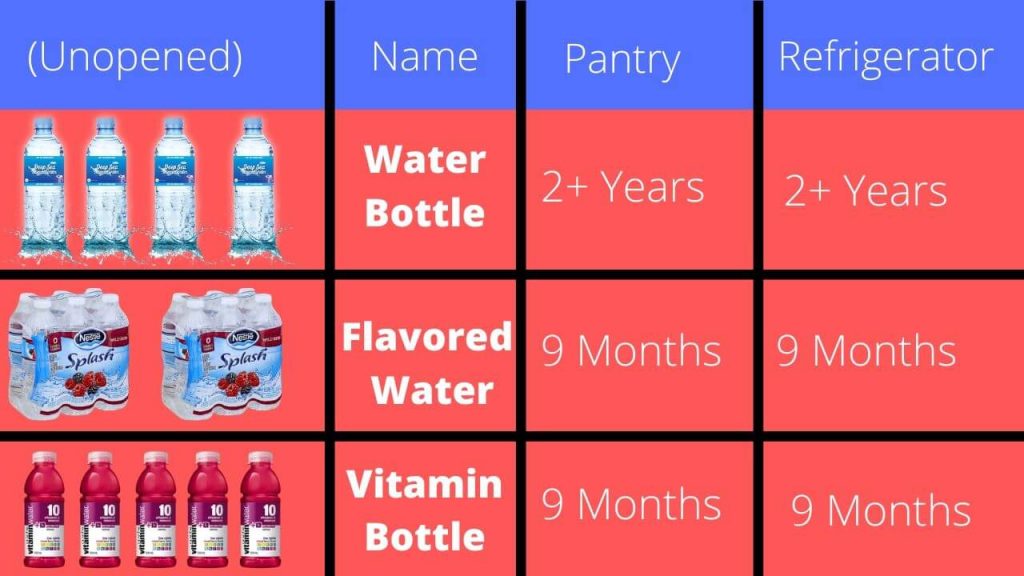 How Long Does Water In Plastic Bottles Last | Detroit Chinatown
Pro Tips to Extend the Party
Want your bottle to last longer than your ex’s favorite hoodie? Do this: wash it daily with hot water and soap. Use a long brush for the straw. Don’t put it in the dishwasher unless it says it’s safe—the high heat can warp plastic seals. And never, ever leave it in a hot car. That turns plastic into a chemical soup. You are not a soup person.
Also, banish the miracle thought that you can use a bottle forever. That’s like keeping a toothbrush until the bristles fall off. It’s not cute. Set a calendar reminder. Buy a new one every year. Your body—and your taste buds—will high-five you.
In the end, water bottles are like friendships: they need maintenance, they have expiry dates, and sometimes you just need to move on. So, inspect your trusty sidekick. Does it smell? Is it leaky? If yes, do the hard thing. Say goodbye. Then buy a new one. Your hydration game will never be sorry.
Now go chug some fresh, non-science-experiment water. You earned it.
