Does Soda Make Acid Reflux Worse

Let’s be real for a second. You just chugged a cold soda, and now your chest feels like it’s hosting a tiny volcano. Does soda actually make acid reflux worse? Or is that just...
Let’s be real for a second. You just chugged a cold soda, and now your chest feels like it’s hosting a tiny volcano. Does soda actually make acid reflux worse? Or is that just a rumor from your aunt who swears by herbal tea?
Well, science says your gut isn’t a fan of the fizzy stuff. It’s not just a feeling—it’s a chemical chain reaction. And honestly, it’s kind of fascinating how a drink can cause so much chaos.
The Carbonation Trap
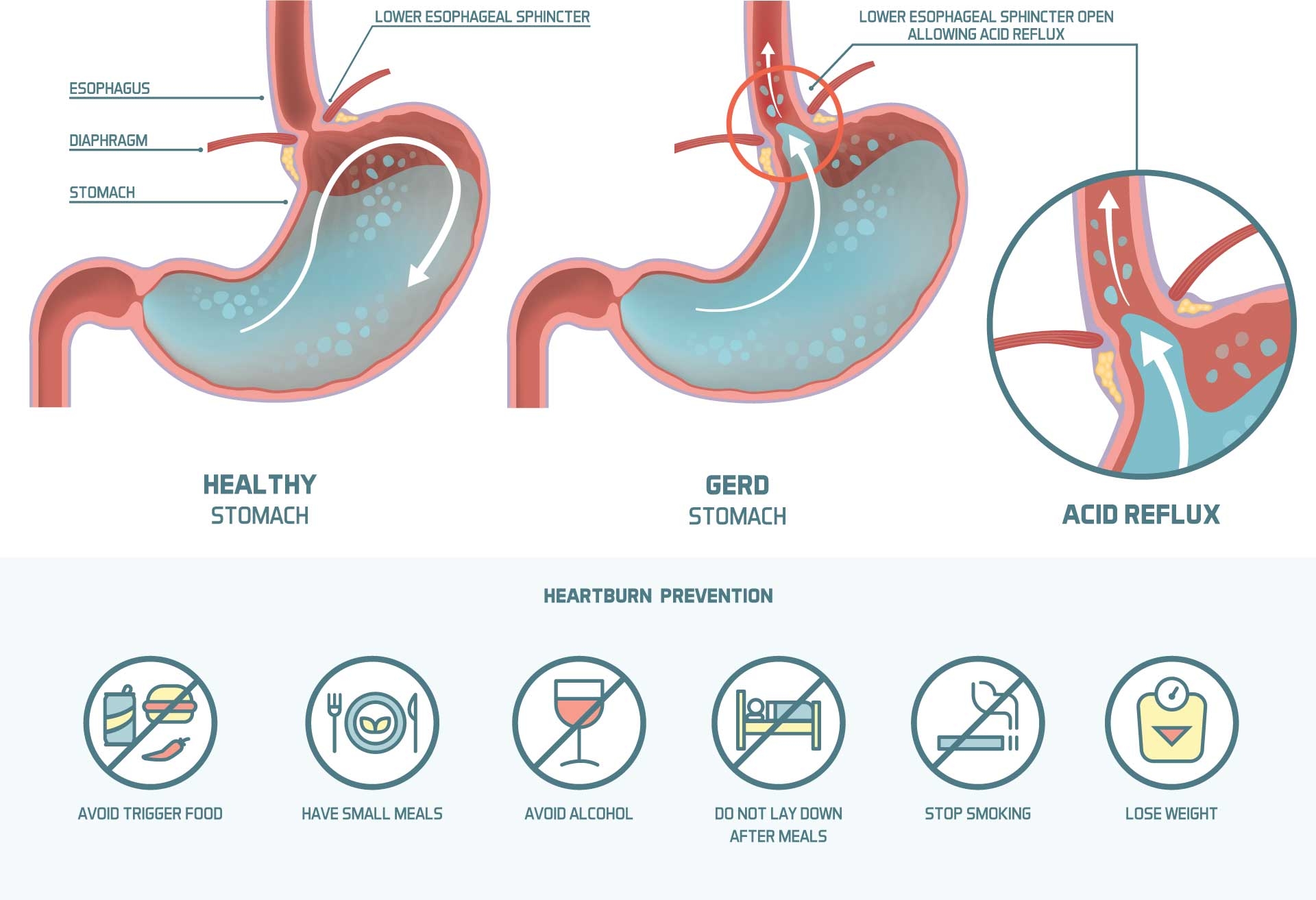
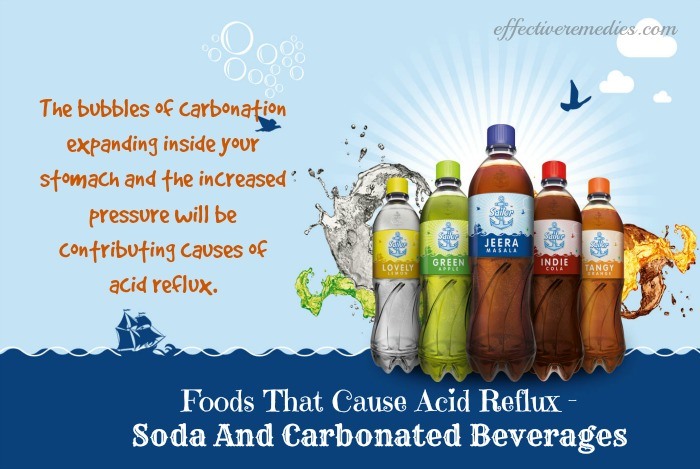
First up: those bubbles. Carbon dioxide is what makes soda fizzy, but here’s the trick. When you swallow those little gas pockets, they expand in your stomach like a tiny balloon.
Must Read
That extra pressure pushes against your lower esophageal sphincter—the tiny muscle that keeps stomach acid where it belongs. Pop goes the seal. Suddenly, acid splashes up into your throat, and you’re reaching for antacids instead of another sip.
Think of it this way: drinking soda is like shaking a bottle of soda and slowly unscrewing the cap. The first burp is just the warm-up act for the real burn.
Acid-on-Acid Violence
Now, let’s talk about what’s actually inside that can. Most sodas have a pH around 2.5 to 3.5. For context, battery acid is around 1.0. Your stomach acid is normally around 1.5 to 3.5. So you’re essentially pouring more acid onto a pile of acid.
That doesn’t just make things acidic—it makes things angry. Your stomach sends a signal: “Hey, we need to neutralize this!” And then it pumps out even more acid to do the job. It’s an acid arms race.
And you? You’re just sitting there, wondering why your chest feels like it’s being microwaved from the inside. The irony is almost painful—literally.
The Caffeine Kick That Kicks Back
We can’t ignore the caffeine factor. Soda is packed with it, and caffeine is a known relaxer for that lower esophageal sphincter we mentioned earlier. When that muscle gets sleepy from caffeine, it lets acid sneak through more easily.
So you drink a soda to feel awake, but your belly muscle takes a nap. Great trade-off, right? It’s like hiring a bouncer for a club and then giving him a glass of warm milk right before the rowdy crowd shows up.
 List of 12 Foods That Cause Acid Reflux Symptoms
Some studies even show that caffeine increases gastric acid secretion. So you’ve got weaker barriers and more acid production. Not exactly a chill combo.
Sugar, the Silent Agitator
Then there’s the sugar. High-fructose corn syrup or regular sugar—they both do a number on your digestion. Sugar can slow down how fast your stomach empties its contents into your small intestine.
When food and liquid hang out in your stomach longer, they have more time to ferment and create gas. More gas means more pressure. And you already know what happens with too much pressure, don’t you? Yep—more reflux.
Plus, sugar feeds the bad bacteria in your gut, which can lead to bloating. A bloated belly pushes upward on your diaphragm, which squishes your stomach. It’s like playing Jenga with your internal organs.
But Wait—Is It Always This Bad?
Here’s where it gets interesting. Not everyone reacts the same way. Some people can chug a liter of cola and burp like a champion without a single hiccup of heartburn. Genetics, diet, and your general gut health matter a ton.
If you have a strong lower esophageal sphincter or low stomach acid to begin with, soda might not trigger a full-blown episode. You might just get a burp and go on with your day. Lucky you.
But if you’re reading this because your chest is currently on fire? Then yeah—soda is probably making it worse. In fact, a 2021 study in the Journal of Clinical Gastroenterology found that carbonated beverages significantly increase reflux symptoms in most people with GERD.
 How Baking Soda Can Help With Acid Reflux & Heartburn - YouTube
What About Diet Soda?
You might think swapping regular soda for diet is the smart move. Think again. Diet soda is still carbonated, still acidic, and often contains artificial sweeteners like aspartame.
Aspartame can mess with your gut microbiome, potentially causing gas and bloating—which, again, equals more pressure. Some people even report that artificial sweeteners relax the esophageal sphincter more than sugar does. It’s like a lose-lose-lose situation with a zero-calorie bow on top.
So no, diet isn’t a free pass. Your esophagus doesn’t care about your calorie count—it cares about chemistry.
The Cool Part: Why Your Body Reacts This Way
Okay, so soda makes acid reflux worse. But why is that actually interesting? Because your body is a brilliant feedback system. It feels the acidic drink coming, tries to protect itself by adding more acid, but ends up creating a mess.
It’s like when you panic and make a problem worse by trying to solve it too fast. Your stomach is you, freaking out about a small spill, and then accidentally flooding the whole kitchen.
The cool takeaway? Once you understand the science, you can make better choices. Maybe swap soda for sparkling water with a splash of lemon (though lemon is acidic too, so tread lightly). Or try herbal tea, which can actually soothe your throat.
But if you’re going to drink soda anyway? At least don’t lie down for an hour after. Gravity is your one loyal friend in this fizzy warzone. Drink up, but know the bubble truth: soda and acid reflux are basically that ex who can’t stop causing drama—but you keep inviting them back for the fun flavor.
