Does Water Give You Electrolytes

We’ve all been there. You’re sweating through a hot yoga class, or nursing a hangover on a Sunday morning, and someone hands you a bottle of water with a knowing look. “Drink...
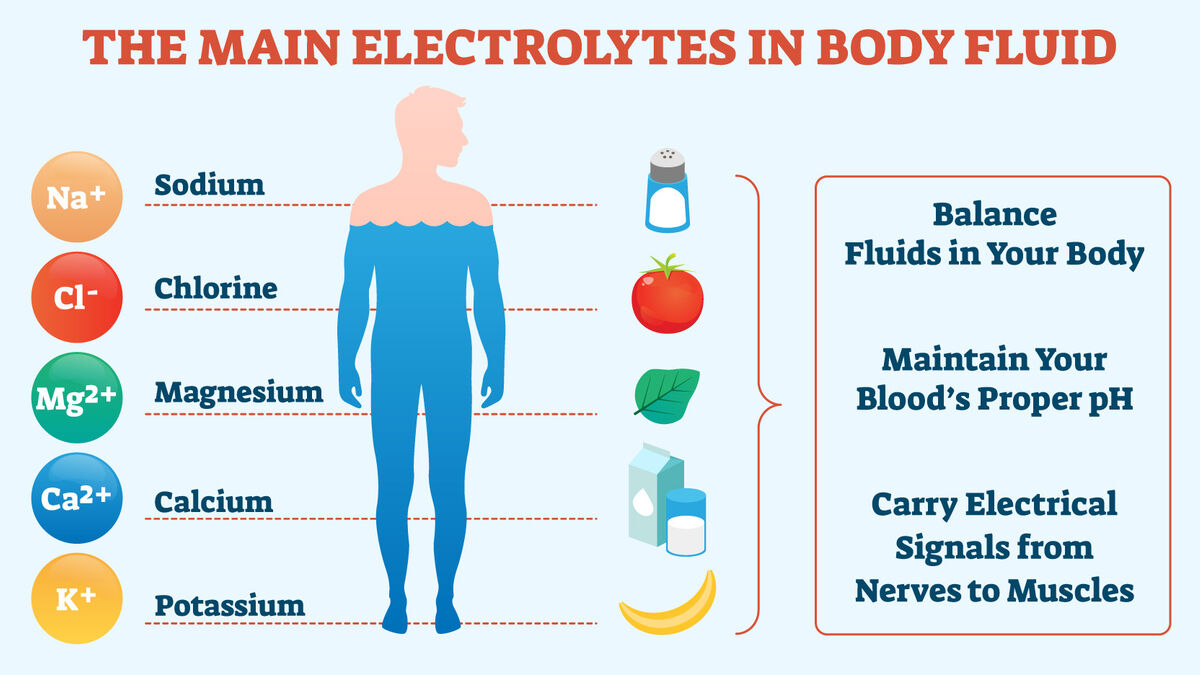
We’ve all been there. You’re sweating through a hot yoga class, or nursing a hangover on a Sunday morning, and someone hands you a bottle of water with a knowing look. “Drink up,” they say, “you need the electrolytes.” But here’s the quiet, buzzy truth that might surprise you: plain water doesn’t actually contain electrolytes in any meaningful amount. Not the way your body craves them, anyway.
Let’s get the science out of the way, but keep it breezy. Electrolytes are minerals like sodium, potassium, magnesium, and calcium that carry an electric charge. They help your muscles contract, your brain fire signals, and your heart keep its steady rhythm. Water is the vehicle for these minerals, but tap or bottled water typically has only trace amounts—think of it as the blank canvas, not the paint.
So, does water give you electrolytes? The short answer is no, not really. But before you toss your reusable bottle in despair, let’s look at what’s really happening in that glass of H₂O. Municipal tap water does contain small traces of minerals, but we’re talking about levels so low they’d make a Gatorade chemist yawn. The same goes for most bottled spring waters—they’re refreshing, sure, but they won’t rebalance your system after a long run.
Must Read
Now, here’s the fun cultural twist: think of a classic Italian Nonna. She doesn’t sip sports drinks after lunch. Instead, she might add a pinch of sea salt to her water on a hot day. That’s her old-world electrolyte hack—and it works. A tiny bit of salt adds sodium, which is the primary electrolyte lost through sweat. It’s a low-key, home-style move that’s way ahead of the marketing curve.
Even better? Squeeze a lemon wedge into that water. Lemons contain potassium and magnesium, plus vitamin C, making your simple glass of water suddenly feel like a spa treatment. You’re not just hydrating; you’re literally adding electrolytes to your water. That’s the trick: water is the stage, but you have to bring the performers.
The Hype vs. The Hydration
Let’s talk about the $5 billion electrolyte drink industry. It’s clever, isn’t it? They’ve convinced us that water alone is somehow insufficient. But here’s a reality check: for most people during daily life—sitting at a desk, walking the dog, running errands—plain water is perfectly fine. You don’t need a neon-colored sports drink unless you’re actually exercising intensely for over an hour, or trapped in a sauna with no exit.
Everyone loves a good celebrity wellness trend, from the “lemon water in the morning” crowd to the influencers chugging coconut water. Coconut water is Mother Nature’s electrolyte cocktail. It’s naturally rich in potassium, sodium, and magnesium, with about half the sugar of a sports drink. But even that’s not magic—just a smarter swap than artificially flavored blue juice.
Here’s a practical tip straight from a marathon runner’s handbook: if you feel a headache coming on after a sweaty workout, don’t just chug water. Try water plus a pinch of salt and a squeeze of citrus. That’s your DIY electrolyte solution, and it’s been used for centuries. Think of it as your personal hydration hack, no plastic bottle required.
 Electrolytes Water
Water Myths We Love to Believe
There’s a persistent myth that “electrolyte-enhanced” waters on the shelf are superior to everything else. Most of them have barely more electrolytes than tap water, but they cost three times as much. The real advantage comes from the added sugar and flavoring, which just encourages you to drink more—which isn’t bad, but it’s not a mineral miracle.
Another fun fact: your body is a master regulator. When you drink plain water, your kidneys balance electrolyte levels by flushing excess water or holding onto minerals as needed. You don’t get electrolytes from water; you get water to help your body manage its own storehouse of electrolytes. It’s like the difference between buying a new phone and just charging the one you already have.
What about those fancy stone-filtered waters from artisanal brands? They often tout “mineral-rich” profiles, but the dosage is negligible. A glass of milk has more potassium than a liter of mineral water. A banana has more magnesium than a whole bottle of electrolyte water. Food is the real MVP here, not the water itself.
When Water Alone Isn’t Enough
There are moments when plain water will actually dilute your electrolyte balance, especially if you’re sweating buckets. This is called hyponatremia—too much water, not enough sodium. Runners who only drink water during a marathon sometimes collapse from it. That’s when you need to reach for something with actual electrolytes, like a sports drink, an oral rehydration solution, or a salty snack.
But for a Tuesday afternoon, when you’re just feeling a bit parched? Water is perfect. Don’t let the electrolyte hype make you feel inadequate. Your body knows what it’s doing. If you eat a balanced diet with fruits, vegetables, and the occasional salty chip, you’re already topping off your electrolyte tank without thinking about it.
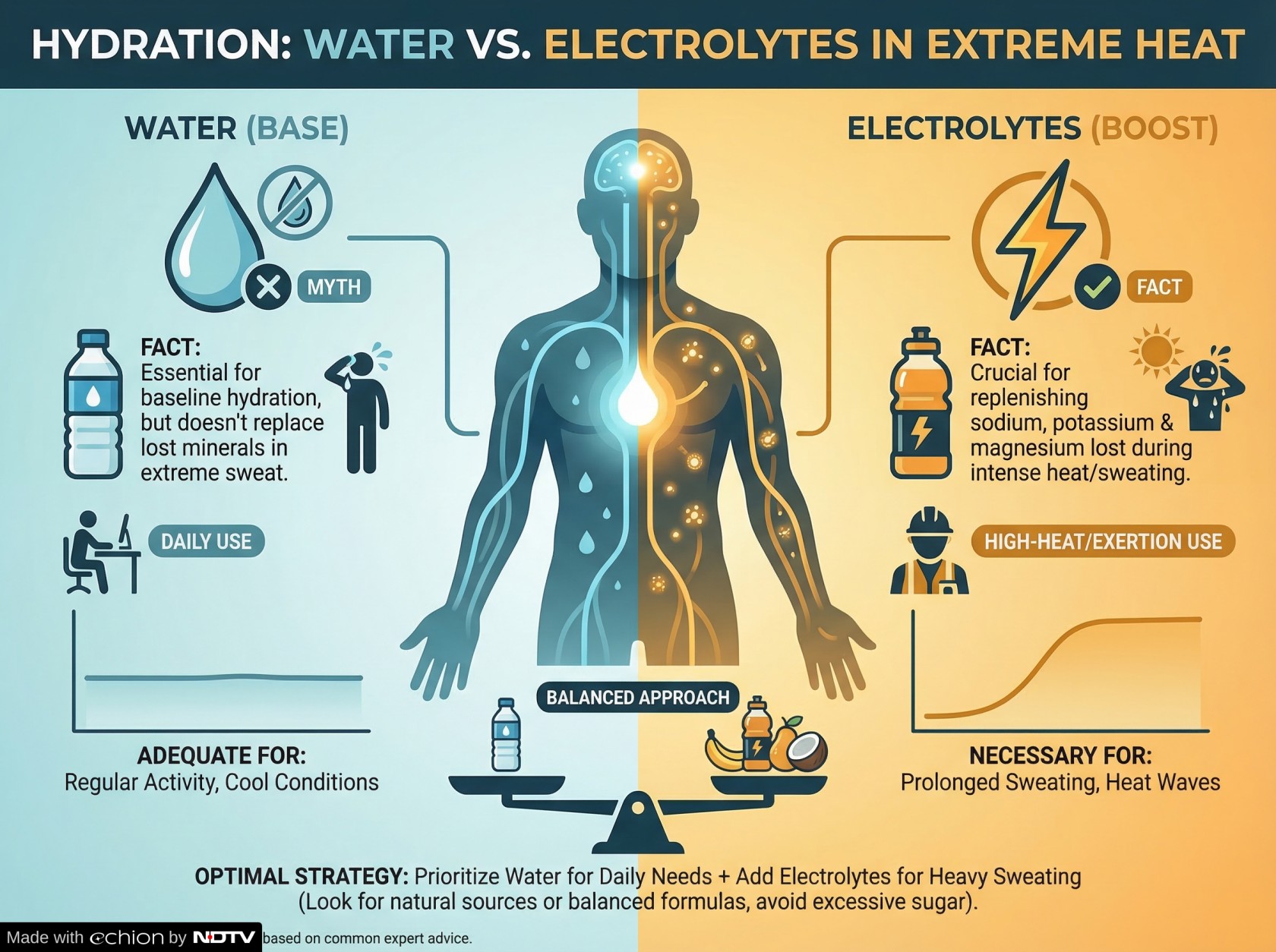 Hydration Myths vs Facts: Are Electrolytes Better Than Water In Extreme
Here’s your new mantra: Hydration is a partnership. Water is the messenger; electrolytes are the message. They work together, but they’re not the same thing. So next time you fill your glass, you can smile knowing the difference—and maybe add a pinch of sea salt, just for the vibe.
Practical Tips for the Everyday
Start your morning with a glass of water and a piece of fruit. The fruit provides natural electrolytes and fiber, setting you up for a balanced day. Don’t fall for the “electrolyte powder” trap unless you’re actually sweating a lot. They taste great, but they’re mostly sugar and marketing.
If you’re traveling or flying, pack a few electrolyte tablets in your bag. Airplane cabins are dehydrating, and the water on planes is often flat and mineral-poor. Drop a tablet in your bottle, and suddenly you’re the calmest person on the flight. That’s a travel hack worth stealing.
And please, please ignore the influencer who says you need to drink gallons of electrolyte water to be “detoxed.” Your liver and kidneys handle detox just fine, thank you. Water is the delivery system, not a cure-all.
The bottom line? Water doesn’t give you electrolytes, but it lets your body use the ones you already have. So drink your water, eat your greens, and save the fancy sports drinks for when you actually run that half-marathon. Your wallet—and your kidneys—will thank you.
Reflection time: next time you’re at a dinner party and someone raves about their “electrolyte-infused” water bottle, you can nod knowingly. You’ll be the person who understands that hydration is a quiet, daily act of care—not a performance. That glass of water you’re holding? It’s perfect. Just maybe add a lemon slice for the joy of it.
