Does Tap Water Have Electrolytes

Let’s be real for a second. You’re probably reading this while standing in your kitchen, staring at a glass of tap water, wondering if it’s actually doing anything for you. Ma...

Let’s be real for a second. You’re probably reading this while standing in your kitchen, staring at a glass of tap water, wondering if it’s actually doing anything for you. Maybe you just finished a workout, or you’re battling that 2:00 PM slump at your desk. The question bubbling up is: does tap water have electrolytes?
The short, happy answer is: yes, it does. Tap water isn’t just a blank, boring liquid. It’s a little mix of minerals that play a big role in how your body feels. Think of it as the unsung hero hiding inside your faucet.
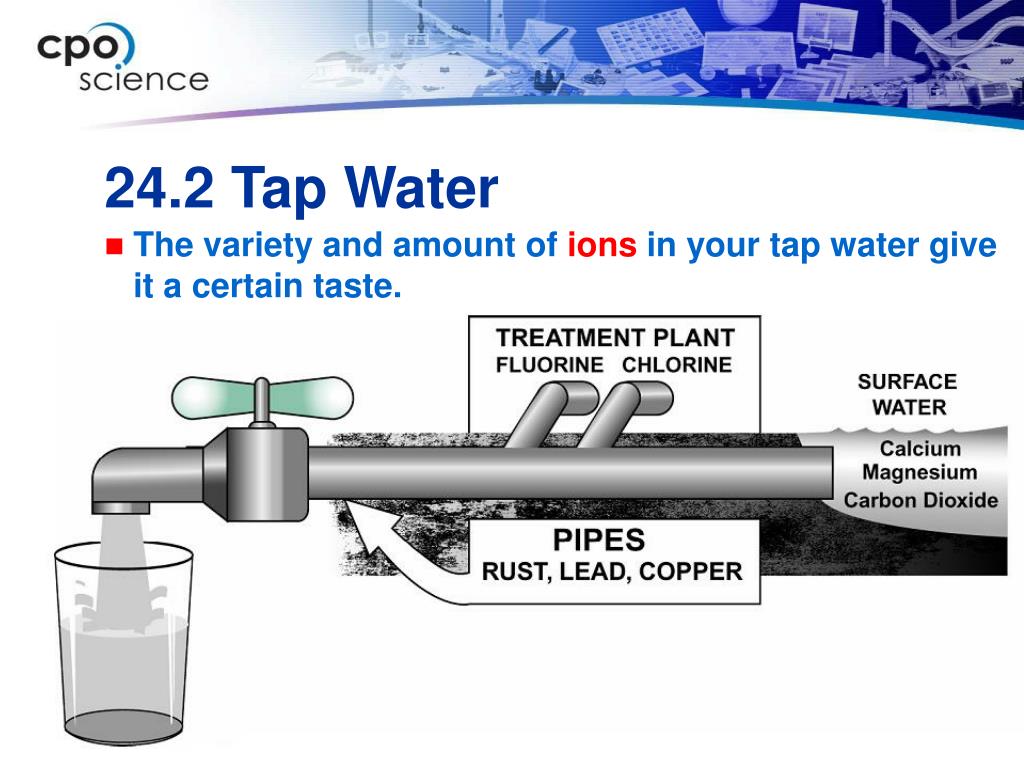
So, what exactly are we talking about when we say “electrolytes”? They’re fancy-sounding things like calcium, magnesium, potassium, and sodium. Your tap water naturally picks up tiny amounts of these as it travels through pipes and soil.
Must Read
Remember that scene in a movie where a robot gets a little jolt of energy to keep going? That’s basically what electrolytes do for your nerves and muscles. They help your body send signals and keep everything humming along smoothly.
Now, don’t expect tap water to match the hype of a neon-colored sports drink. The amount of electrolytes in your tap is small—we’re talking milligrams, not the big numbers on a Gatorade bottle. But here’s the kicker: it’s often just enough for your everyday life.
Think about a typical Tuesday. You wake up, grab some coffee, sit in traffic, and maybe take a walk at lunch. Your body loses a little fluid just by living. That glass of tap water at dinner? It’s gently topping off your electrolyte tank without all the sugar or artificial color.
I once tried to explain this to my neighbor, Mark, who swore by coconut water after his morning jog. “Mark,” I said, “you’re not running a marathon. You just got the mail.” He laughed, but the truth is, plain tap water is fantastic for moderate, daily activity.
The actual electrolyte content varies depending on where you live. If you’re in a place with hard water, you’re probably getting a nice boost of calcium and magnesium. Soft water might have more sodium. It’s like a little geological lottery in your glass.
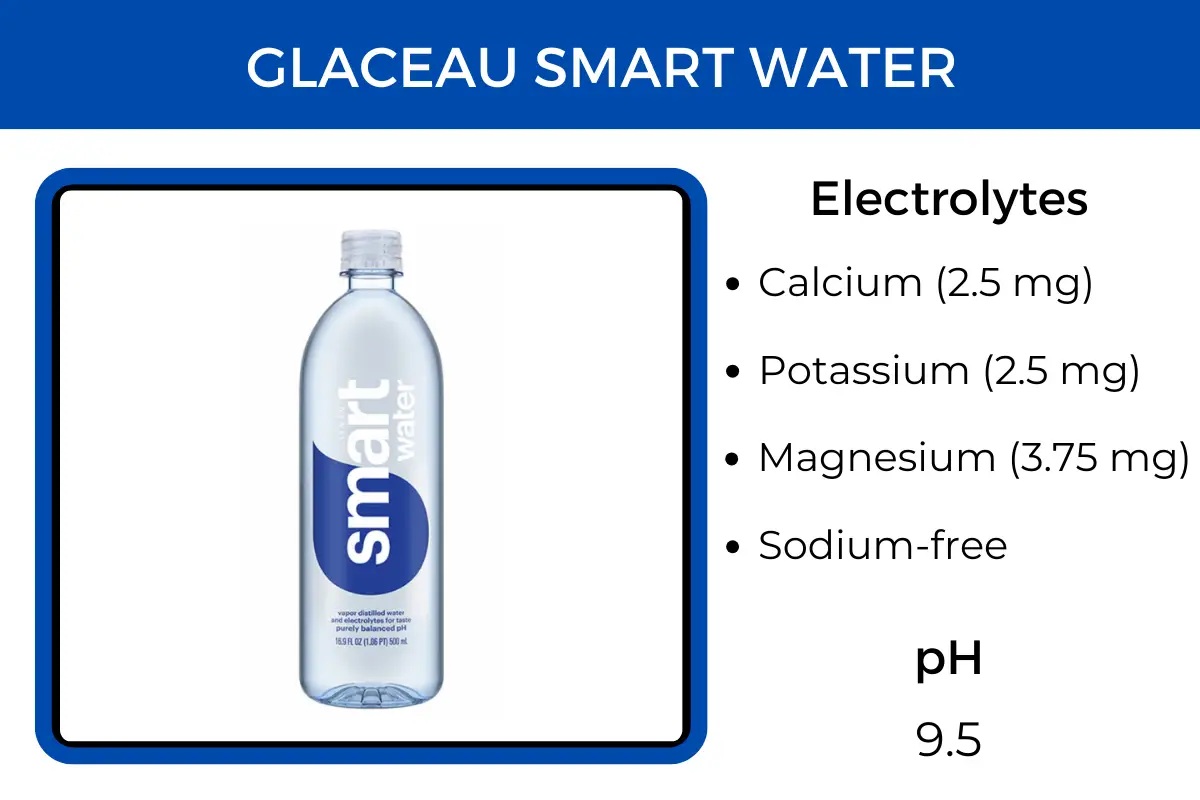 Brands Of Bottled Water With Electrolytes (Confirmed By Lab Tests
You can check your local water quality report online. It sounds boring, but it’s actually kind of fun—like reading a tiny biography of your town’s water. You might find out your tap is a secret source of potassium, which is great for your heart.
So why should you care? Because you don’t always need to buy a fancy bottle to feel good. If you’re sweating lightly from a walk or just trying to stay hydrated at work, your tap is already doing the job. It’s cost-effective and reliable.
But What About Intense Exercise?
Here’s where we get real. If you’re doing hot yoga and dripping everywhere, or you just ran six miles in the summer sun, tap water might not cut it. In that case, you lose a lot of sodium and potassium through sweat.
Your modest tap water can’t replace those losses fast enough. That’s when you might want a sports drink, an electrolyte powder, or even a pinch of salt in your water. But for 80% of your day? Tap water wins.
I remember a friend who trained for a half-marathon. He tried to save money by only drinking tap water. After a long run, he felt dizzy and crampy. He learned the hard way that context matters. Listen to your body—it’s smarter than any bottle.
How to Boost Your Tap Water Naturally
Let’s say you want a little extra kick without buying a neon drink. You can turn your tap water into a homemade electrolyte blend. It’s easy, and it feels like a science experiment in your kitchen.
 PPT - Unit 8, Chapter 24 PowerPoint Presentation, free download - ID
Squeeze half a lemon into your glass. Add a tiny pinch of sea salt and a splash of fruit juice like orange or watermelon. Stir it up, and you’ve got a natural, cheap electrolyte drink that tastes like summer.
This is what I do when I’m feeling sluggish on a hot afternoon. It’s not fancy, but it works. Plus, you get to feel a little proud that you solved the problem yourself, without a trip to the store.
Another trick? Eat a banana with your glass of tap water. The potassium in the banana pairs beautifully with the minerals already in the water. It’s like a hydration power couple.
The Bottom Line, Served with a Smile
Tap water is a quiet, reliable friend. It has electrolytes, just not a ton of them. For your average day of living, breathing, and maybe doing a little dance in the kitchen, it’s perfect.
So next time you fill up a glass from the sink, give it a little nod of respect. It’s not a sports drink, and it’s not coconut water. But it’s yours—cheap, accessible, and quietly keeping you going.
And honestly? There’s something nice about that. A tiny, invisible support system, right there from your faucet. Cheers to your tap water—the unsung hero of your Tuesday afternoon.
