How Long Does Water Bottled Last

Have you ever found a forgotten bottle of water in your car, under the seat, and thought, Hmm, is this still okay? You’re not alone. The answer is surprisingly chill, but also...
Have you ever found a forgotten bottle of water in your car, under the seat, and thought, Hmm, is this still okay? You’re not alone. The answer is surprisingly chill, but also a little more interesting than you might expect.
So, Does Water Actually Expire?
Here’s the thing: water itself doesn’t really “go bad.” Pure H₂O is basically eternal—it’s been around since the dinosaurs. What does change is the bottle and the way the water interacts with it over time.
That’s why you see a “best by” date on the plastic. That date isn’t about the water turning into poison—it’s about quality, not safety. Think of it like a stale bag of chips: edible, but not very fun.
Must Read
What Actually Happens to Old Bottled Water?
Over months, plastic bottles can start to leach tiny amounts of chemicals into the water. It’s called “leaching,” and it’s why older water can taste a bit like plastic or cardboard.
Another thing? Bacteria can sneak in. If the bottle’s been opened, or if it got warm, microscopic critters might have a little party. It’s usually harmless, but not exactly refreshing.
Imagine leaving a sandwich in your car for a week. The water is more like leaving a loaf of bread—it’s probably fine, but the texture and taste get weird.
How Long Is “Long Enough”?
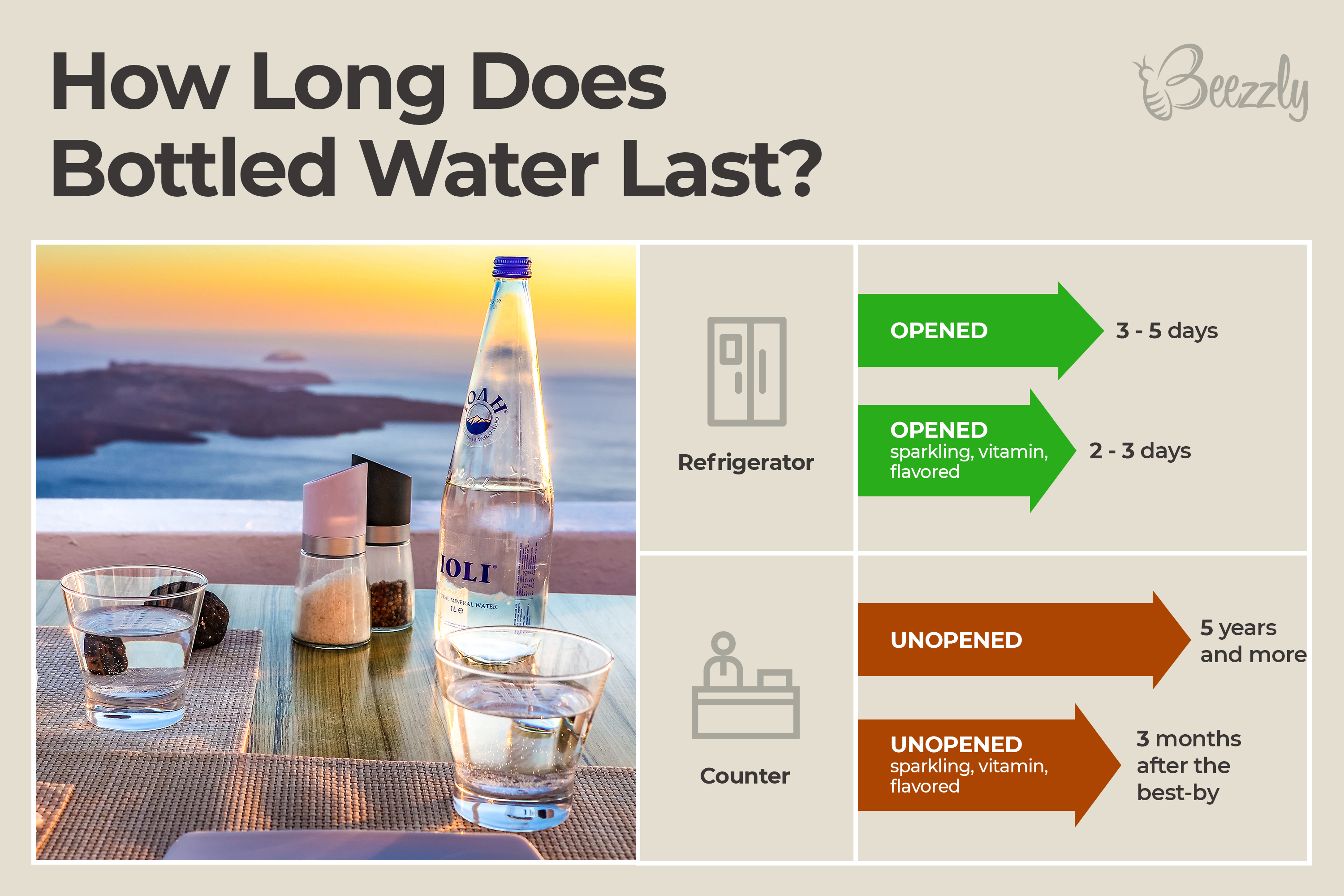
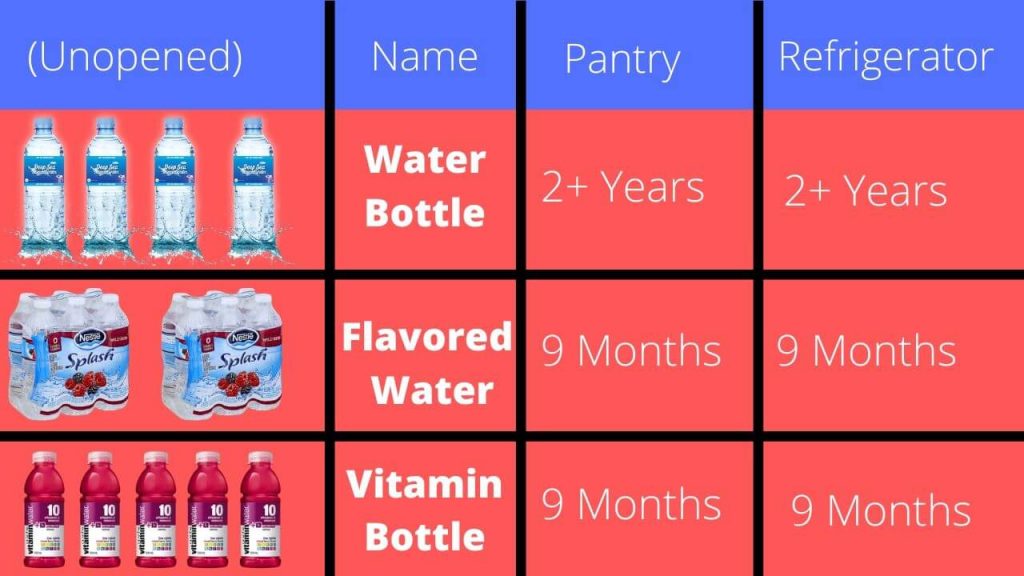
For unopened, store-bought plastic bottles, most experts say they’re at their best for about 1 to 2 years after the production date. After that? The taste declines, but you won’t get sick.
Once you open the bottle, though, the clock ticks faster. You’ve just introduced air and mouth bacteria. Drink it within a few days if you can—like a cup of coffee you left out overnight.
 How Long Does Bottled Water Last? Tap Water? - TrueEmergency.com
And glass bottles? They’re the heroes of the story. Glass doesn’t leach anything, so water in glass can last almost indefinitely if stored properly. It’s like a time capsule for your hydration.
What About That Bottle You Found in the Attic?
Let’s be real: if your bottle is dusty, warped, or smells weird, don’t risk it. Your instincts are smarter than a date stamp. It’s like finding a mystery can of soda from 2015—possible, but why bother?
Also, heat is the enemy. A bottle left in a hot car for weeks will degrade faster. The plastic can release bisphenol A (BPA) and other compounds. Not ideal for your vibe.
So, the cool part? Water is basically immortal. But the container and environment are what decide if it’s still tasty and safe.
Why This Is Actually Interesting
Think of it this way: water is the ultimate survivor. It cycles through oceans, clouds, and your kidneys. A plastic bottle is just a temporary home—not a permanent one.
 How Long Does Water In Plastic Bottles Last | Detroit Chinatown
What’s even cooler? Ancient water trapped in glaciers is thousands of years old. That’s the real “bottled water” holy grail. Your store-bought bottle is just a baby in comparison.
And if you’re feeling eco-savvy, reusable bottles win every time. Stainless steel or glass? They keep water fresh for ages, and you save the planet a little plastic grief.
Quick Cheat Sheet for the Curious
Plastic (unopened): 1–2 years, but taste might fade after 6 months. Plastic (opened): A few days, max. Glass or metal: Practically forever—just rinse and refill.
Remember: smell it, taste a tiny sip. If it’s fine, you’re fine. Your nose knows more than any label.
So next time you find a mystery bottle, don’t panic. Just ask yourself: “Would I drink this if it were a slightly stale cookie?” If the answer is yes, chug away—just don’t make it a habit.
