What Does Tds Stand For In Water

So, you’ve seen the mysterious letters “TDS” on a water filter pitcher, a fish tank guide, or maybe your hydroponic basil setup. What does it actually mean? Don’t worry—it’s n...
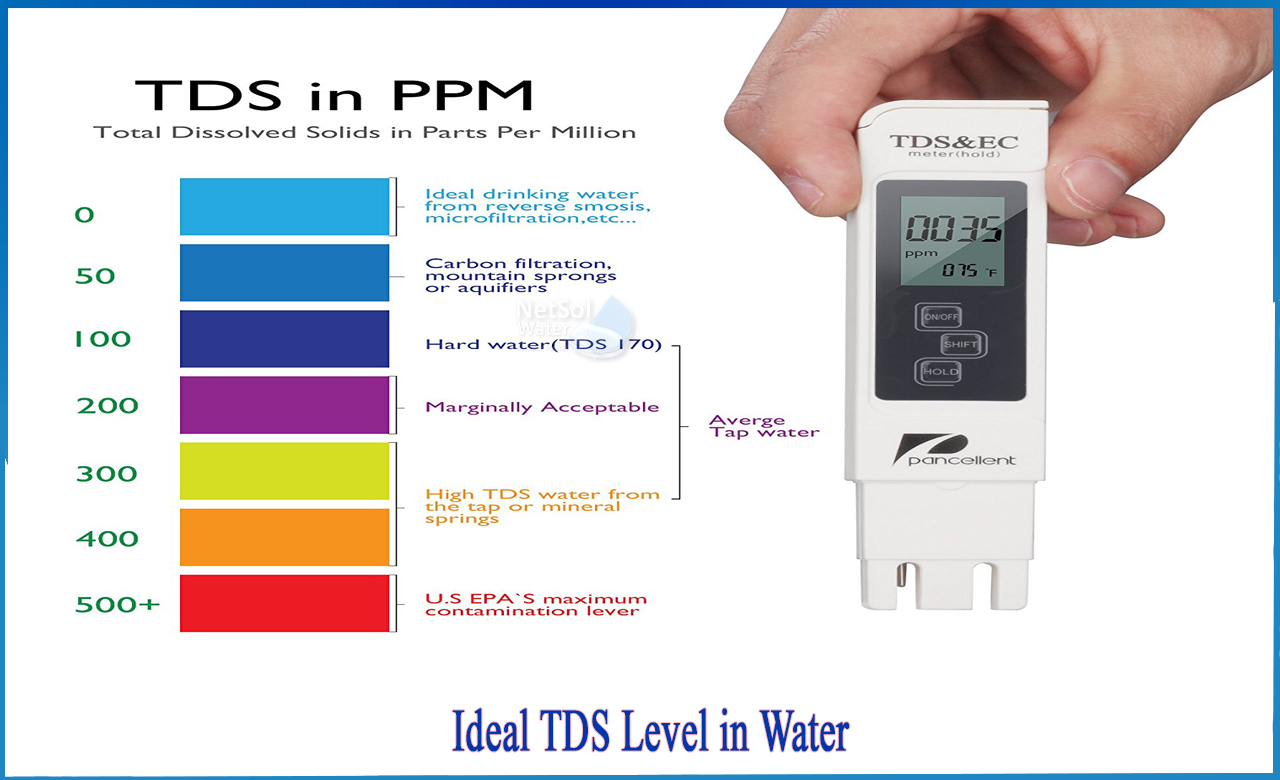
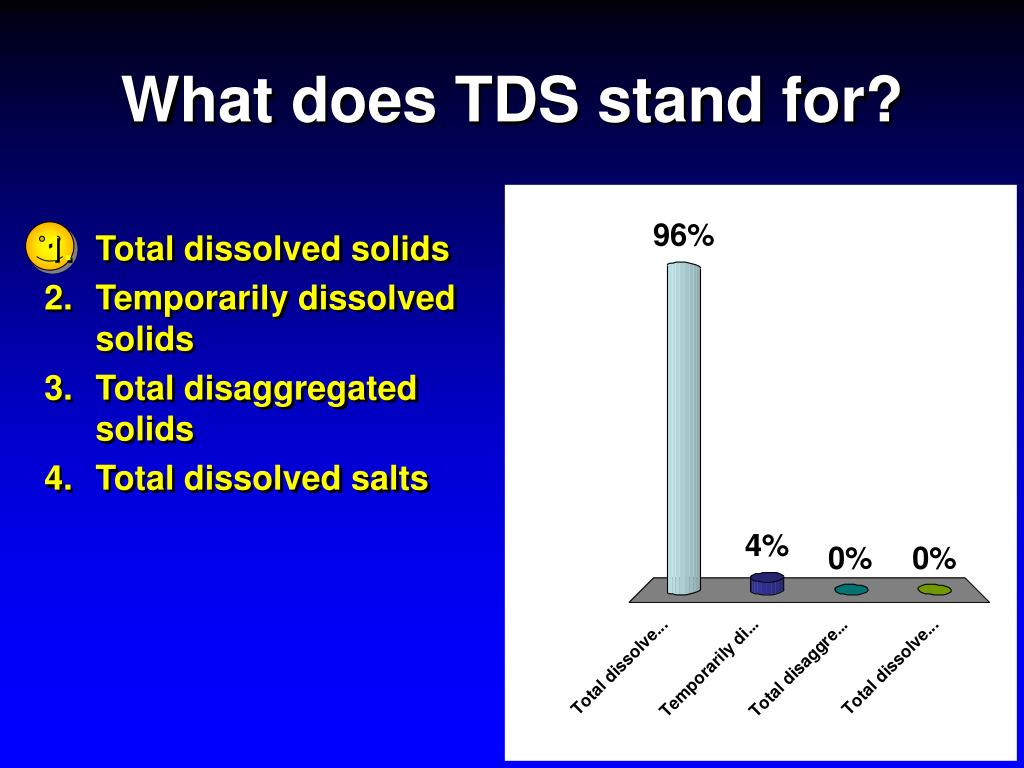
So, you’ve seen the mysterious letters “TDS” on a water filter pitcher, a fish tank guide, or maybe your hydroponic basil setup. What does it actually mean? Don’t worry—it’s not a secret government code or a new dance move (though your water might be trying to boogie). TDS stands for Total Dissolved Solids, and understanding it can turn you from a casual water drinker into a true hydration hero.
What Are “Dissolved Solids” Anyway?
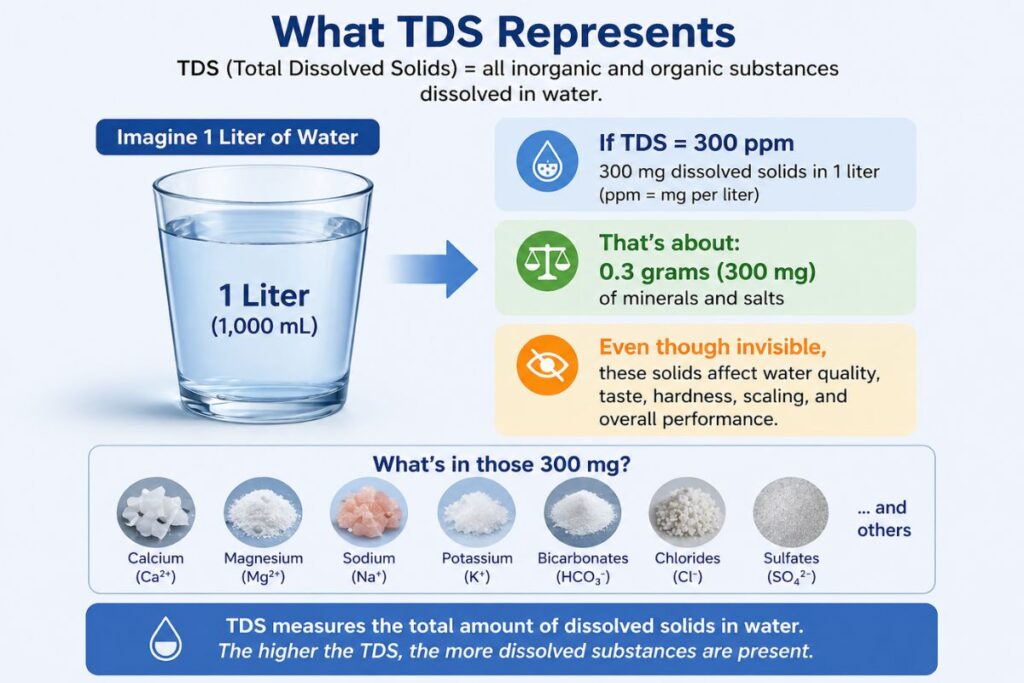
Imagine your glass of water as a tiny pool party for minerals and other microscopic guests. These guests are things like calcium, magnesium, sodium, and even traces of potassium—all dissolved into the water like sugar in tea. TDS is simply the total weight of all those invisible party-goers in a given volume of water.
Don’t freak out—most of these solids are completely harmless and actually good for you! Those minerals are what give your tap water a specific taste, from “mountain stream crisp” to “chalky backyard hose.”
Must Read
Why Should You Care About TDS?
Honestly, you probably already care more than you think. If you’ve ever complained that your coffee tastes “off” or your ice cubes look cloudy, TDS is likely the culprit. High TDS water can leave white spots on your dishes, scale in your kettle, and weird flavors in your tea.
But here’s the fun part: knowing your TDS level lets you hack your home barista game. Low TDS water (under 50 ppm) is perfect for delicate green teas, while medium TDS (150–300 ppm) can make your espresso taste like it was pulled in a five-star café. You’re basically a liquid DJ, mixing the perfect mineral track for every drink.
How Do You Measure This Stuff?
You don’t need a lab coat—just a tiny gadget called a TDS meter that costs about the same as a fancy sandwich. Dip it in your tap water, and boom: a number appears. Pure distilled water reads near zero, while average tap water hovers around 100–300 ppm. If your number is 500+ (like some well water), you might notice that “mineral-rich” flavor.
 PPT - Water Quality Chapter 6 Water Sources PowerPoint Presentation
Pro tip: test your tap water, your filtered water, and even your friend’s tap water for comparison. It’s the new party trick—everyone will think you’re a freshwater wizard.
You’re Not Just Drinking Water—You’re Drinking Personality
Here’s where it gets inspiring: every water source has its own unique TDS “fingerprint.” A spring in the Alps might have 50 ppm of gentle mountain minerals, while an ancient aquifer in Texas could have 800 ppm of robust limestone. Your own local water has a story, shaped by the rocks and soil it traveled through for thousands of years.
When you check your TDS, you’re connecting to that invisible geography. It’s like reading a secret diary written by the Earth, one sip at a time. Suddenly, that glass of water isn’t boring—it’s a geography lesson and a chemistry lab combined.
A Quick Reality Check: When High TDS Isn’t Fun
Look, I’ll be honest: very high TDS (over 900 ppm) can taste like you’re drinking a spoonful of salt, and it might not be great for your plumbing. If your water tastes metallic or leaves a chalky film, a simple reverse osmosis filter can bring that TDS down. But don’t panic—most municipal water is perfectly safe and delicious right out of the tap.
 What Is TDS In Water & Why Should You Measure It?
Remember: TDS is a guide, not a judge. It tells you what’s in the water, not whether the water is “bad” or “good.”
Why This Makes Life More Fun
Armed with TDS knowledge, you become a curator of your own daily hydration. You can choose a filtered water with specific minerals for your morning lemon water, or use a splash of tap water to give your houseplants a nutrient boost. You can even test the bottled waters at the grocery store and find out which fancy brand is just glorified tap water (spoiler: many are).
It turns a boring chore—drinking water—into a small, delightful experiment. And experiments make life sparkling.
So here’s the uplifting note: You don’t need to become a scientist to appreciate the hidden world in your glass. Just grab a TDS meter, dip it in, and smile at the fact that you’re now in on the universe’s little mineral secret. Every drop has a story, and you just learned to read it. Cheers to that—you beautiful, inquisitive water detective.
