Does Reverse Osmosis Waste Water

Let’s be honest: the first time you hear someone say “reverse osmosis wastes water,” it feels like hearing your favorite health kick has a secret, wasteful habit. You picture...
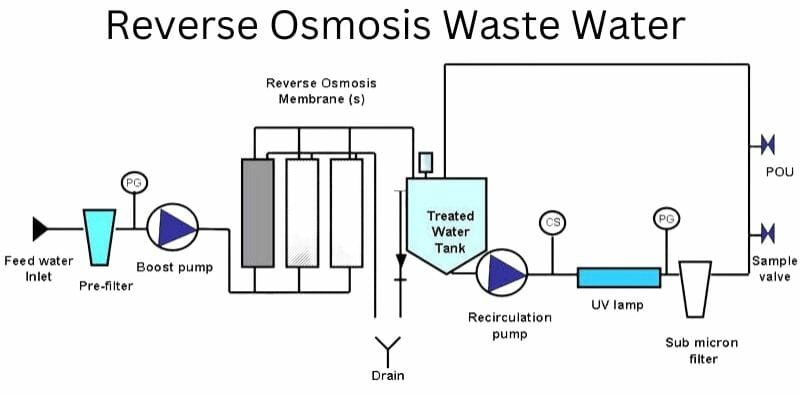
Let’s be honest: the first time you hear someone say “reverse osmosis wastes water,” it feels like hearing your favorite health kick has a secret, wasteful habit. You picture gallons of perfectly good H2O just going down the drain. It’s like finding out your beloved juicer also produces a big pile of dry, sad pulp.
But before you swear off that fancy under-sink filter, let’s grab a coffee (or tea, no judgment) and chat about what’s really happening. Yes, reverse osmosis (RO) systems do create wastewater. It’s a fact, but it’s not the scandalous story it first seems. Think of it less like waste and more like a necessary byproduct of getting water that’s almost impossibly pure.
The Simple “How” and “Why”
Imagine you’ve got a very fine sieve, and you’re trying to push muddy water through it with your bare hands. That’s hard work. Reverse osmosis uses pressure to force water through a super-tight membrane that catches pretty much everything—lead, chlorine, even microscopic nasties.
Must Read
But here’s the kicker: the membrane gets clogged with all that bad stuff. To keep the filter clean and functional, the system uses a little stream of water to constantly wash the membrane’s surface. That “washing” water is the wastewater.
So, the water you’d normally call “waste” is actually the water that carried away the dirt. It’s not dirty in a scary way; it’s just a bit more concentrated with minerals and whatnot. It’s the leftover rinse water from your super-efficient car wash, not a toxic spill.
How Much Are We Really Talking About?
Here’s where the panic usually sets in. Most home RO systems have a ratio of about 3 to 1 (waste to clean water) for every gallon of filtered water you get. Some newer efficient models get down to 1 to 1. So, to fill your reusable water bottle (about 20 ounces), the system might use 60 ounces of incoming water total.
That sounds like a lot until you compare it to your daily routine. A standard shower uses about 2 gallons per minute. A five-minute shower is 10 gallons. Your ten-minute shower is 20 gallons. Suddenly, the three gallons of “waste” you produced today for your drinking and coffee water feels like a tiny drop in the proverbial bucket.
 Chromatography Wastewater Analysis at Greg Booth blog
We’re talking about pennies per day on your water bill. It’s less than the water you accidentally run while brushing your teeth or waiting for the shower to get hot. It’s the water you might spill when your cat decides the kitchen floor needs a bath.
The Real “Waste” You Should Worry About
Let’s flip the script for a second. What is actually wasteful? Buying cases of single-use plastic water bottles. That’s not only a waste of water to manufacture them (about 1.5 gallons of water to make a one-liter bottle), but also a huge plastic waste problem.
An RO system at home dramatically reduces your need for bottled water. You’re cutting out the plastic, the truck fuel, and the store markup. The little bit of wastewater from your machine is a rounding error compared to the environmental footprint of Big Water Bottle.
Think of it this way: if you use your RO water to make tea and fill your pet’s bowl, you’re already getting a massive water-quality win. The “waste” is the price of admission for water that tastes like a mountain spring and saves you from dragging heavy cases from the grocery store.
What Can You Do with the “Waste” Water?
Here’s the fun part: that wastewater is totally fine for most household chores. It’s not toxic. You can collect it in a bucket and give it to your garden plants (most plants love the extra minerals, actually). Use it to wash your car, flush your toilet, or mop the floor.
 Does Reverse Osmosis Waste Water? - Guide to RO Water Waste
I’ve got a five-gallon bucket under my sink that I use for my indoor fern. That plant is now the thirstiest, happiest green monster in my house. My wife calls it the “reject water” fern. It’s a conversation starter.
And if you don’t feel like bucket-duty? Don’t sweat it. Your local water treatment plant is thrilled to get that water back. It’s clean enough for them to process easily. It’s not a crime against the planet; it’s just a slightly more concentrated version of your tap water.
The Bottom Line (With a Smile)
So, does reverse osmosis waste water? Technically, yes. But does it “waste” it in a way that should keep you up at night? Not really. It’s a trade-off. You trade a few gallons of water for incredibly pure, delicious, bottle-free hydration.
It’s like asking if your lawnmower “wastes” gas. It does, but you’re using it for a purpose. You wouldn’t mow your lawn with scissors to save fuel, right? Same logic applies here. Don’t let the perfect be the enemy of the good—and good water is delicious, healthy, and easy.
So go ahead, fill that glass. The water is crisp, the planet is fine, and your fern is thriving. That’s a win-win-win in my book.
