Why Does Data Centers Need Water

Let’s be honest: when you think of the internet, you probably picture fluffy clouds or a cozy server room, not a gushing fire hose. But the truth is, your late-night Netflix b...
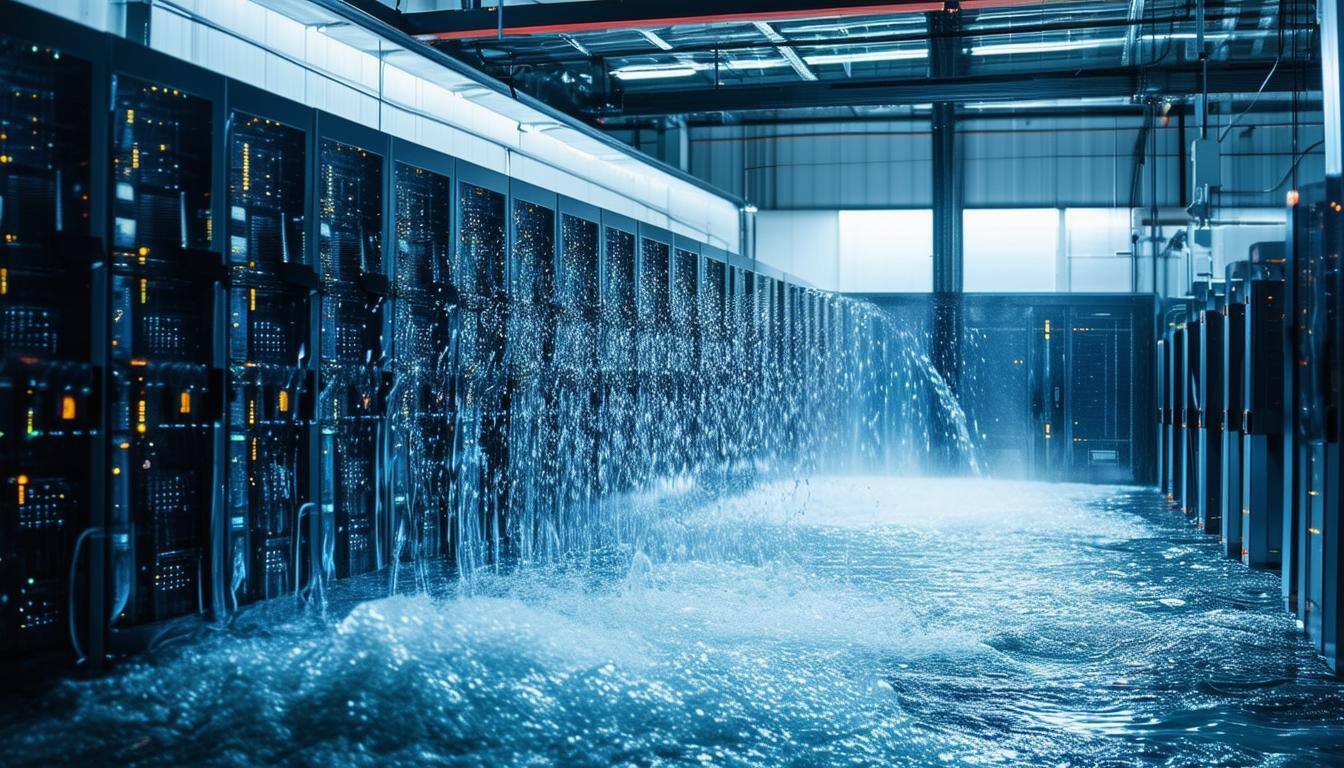
Let’s be honest: when you think of the internet, you probably picture fluffy clouds or a cozy server room, not a gushing fire hose. But the truth is, your late-night Netflix binges and endless Zoom calls are secretly powered by gallons of water. It’s a weird thought, like realizing your car’s engine drinks from a garden hose. So, why does a pile of circuits and wires need a swimming pool?
The heat is real, my friend
Think about your own laptop after you’ve been gaming or editing photos. It gets hot, right? Now imagine a million laptops, all crammed into one building, running at full blast for twenty-four hours a day. That’s a data center.
These places are essentially giant ovens, and if you don’t cool them down, the whole thing turns into a sad, smoky brick of metal. Humans sweat to cool off. Data centers… well, they evaporate water.
Must Read
The “swamp cooler” for giants
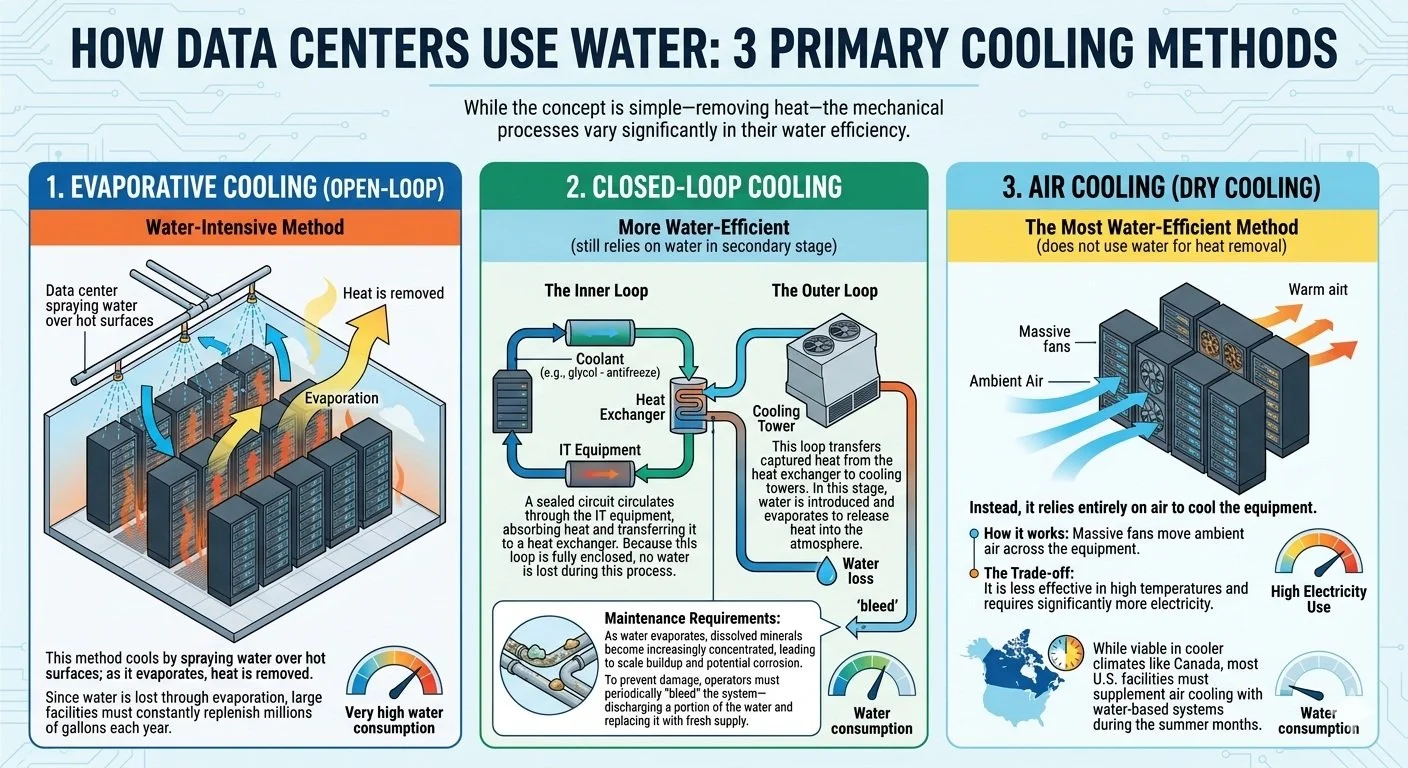
Remember those old-school swamp coolers your grandpa used in the garage? They blow air over a wet pad, and the evaporating water chills the air. Data centers use a much fancier, bigger version of that same trick.
They spray water into a hot airstream, and as the water turns to vapor, it sucks away the heat like a thirsty vampire. It’s cheap, it’s effective, and it’s why your cat video doesn’t arrive as a melted puddle of data.
Not just for cooling: a spa day for servers
It’s not only about cooling the air. Some data centers use water directly to cool the computer chips. They run water-filled pipes right up to the hot parts, like a personal water cooler for your Instagram feed.
Imagine giving your overworked phone a tiny, constant shower. That’s essentially what happens in a “liquid-cooled” facility. It’s so efficient that the water leaves the server room almost as hot as your morning coffee.
 Sustainable by design: Transforming datacenter water efficiency | The
The weird water cycle of the internet
Here’s the kicker: most of that water isn’t wasted. It evaporates into the air, gets captured, and is often treated and recycled back into the system. It’s like the earth’s rain cycle, but for your TikTok algorithms.
But wait, there’s more. Some data centers are even built next to wastewater treatment plants. Yes, the water from your toilet can be cleaned up and used to cool a supercomputer. Gross? A little. Brilliant? Absolutely.
A confession: we’re all water vampires
I’ll admit, I used to feel smug about not printing documents or driving to the library. But then I learned that one AI query (like asking ChatGPT a joke) can use up to a small bottle of water. My bad.
Every time you stream a 4K movie, upload a 100-photo dump, or do a quick search, you’re sipping a tiny bit of a data center’s water supply. It’s not your fault—you didn’t invent the system—but it’s a fascinating “oh, that’s where it goes” moment.
 Why Do Data Centers Use So Much Water? Understanding the Hidden
The great drought dilemma
This is the serious part. In places like California or Arizona, where water is a precious commodity, building a giant water-slurping data center can feel like a party in a desert. Tech companies are now in a mad race to use less water.
They’re experimenting with air-cooling techniques, building centers in cooler climates, and even dunking entire servers in special non-conductive liquids (it looks like a giant fryer full of oil, but for computers). It’s the world’s nerdiest game of “how not to run out of water.”
The hidden hero of your Wi-Fi
So next time your Wi-Fi works flawlessly, don’t just thank the router. Thank the thousands of gallons of water that quietly steamed away to keep that router from melting. It’s the unsung hero of the digital age.
It’s a little funny—and a little humbling—to realize that the great digital cloud isn’t just made of code and dreams. It’s also made of H2O, sweating and steaming to keep you watching that cooking show at 2 AM. Cheers to the thirsty giants keeping the internet alive.
