How Does Water Get Into Aquifers

Ever wonder where the water in your tap actually comes from before it hits your glass? Sure, it might come from a river or a lake, but a huge chunk of it—like, a massive under...
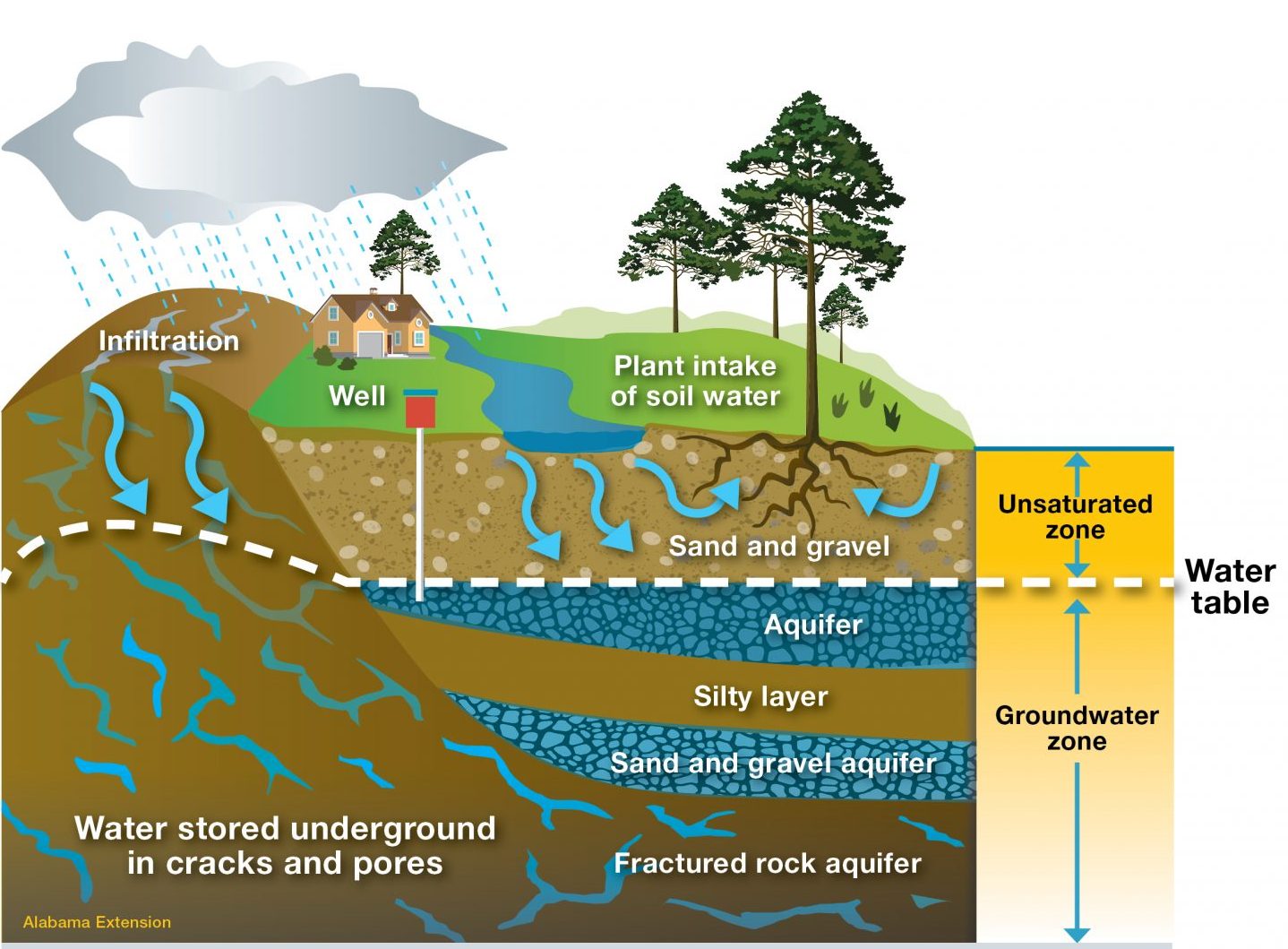
Ever wonder where the water in your tap actually comes from before it hits your glass? Sure, it might come from a river or a lake, but a huge chunk of it—like, a massive underground secret—is hiding in aquifers. And the story of how water gets down there? It’s way more fun and magical than you’d think.
The Great Underground Sponge
Imagine the ground beneath your feet isn't solid rock, but a giant, slow-motion sponge made of sand, gravel, and cracked stone. That’s basically an aquifer: a natural, rocky reservoir that holds incredible amounts of fresh water.
But here’s the kicker: that water doesn't just appear out of thin air. It has a journey, and it all starts with a single raindrop.
That raindrop? It’s about to become part of a legendary, hidden ocean.
Must Read
Step One: The Raindrop’s Great Escape
Picture a storm. Rain pounds the sidewalk, runs into gutters, and whooshes away—that’s runoff. Boring. But watch what happens in a park, a farmer's field, or a forest.
There, the rain gets a little help. It hits the soil and starts to infiltrate—a fancy word for “sneaking in.” It’s like the ground is politely saying, “Come on in, the party’s downstairs.” This is where the real adventure begins.
Step Two: The Slowest Road Trip Ever
Once that water is inside the soil, it doesn't just fall straight down like an elevator. Nope. It wiggles, twists, and drips through tiny spaces between grains of sand and pebbles. This process is called percolation.
Think of it as the universe’s slowest, most relaxing road trip. A single drop might take days to travel a few feet, or it could take thousands of years to reach the bottom of a deep aquifer. Talk about taking your sweet time!
This journey also cleans the water naturally. As it filters through layers of soil and rock, it picks up minerals (making some water taste amazing) but leaves dirt and germs behind. It’s nature’s own Brita filter.
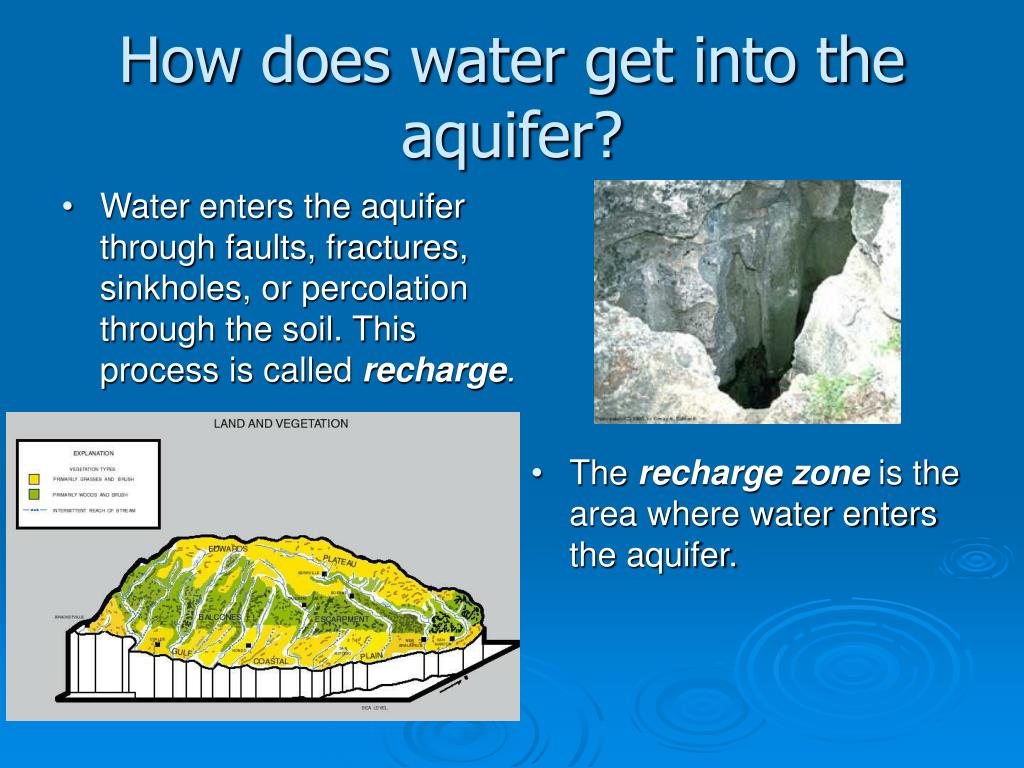 PPT - Understanding the Edwards Aquifer: Source, Flow, and Significance
Step Three: Finding the Zone of Saturation
The water keeps traveling down until it hits a layer of something solid—like dense clay or bedrock—that it cannot get through. Think of it as the floor of the underground pool.
Once it hits this barrier, the water starts to back up. It fills every single crack and gap in the rock or sand above it. This area, where all the spaces are completely filled with water, is called the zone of saturation. Congratulations, raindrop! You’ve officially joined an aquifer.
And the top of this soaked zone? That’s the water table. It’s not a flat line, either. It moves up and down like a giant, invisible belly breathing with the seasons.
But Wait—Doesn’t the Water Just Stop There?
Here’s the cool part: aquifers aren’t sealed boxes. Water is always, always moving. Some of it will slowly seep into rivers or lakes, creating that steady flow you see even when it hasn't rained in weeks.
That’s called baseflow. It’s the aquifer saying, “Hey, I’ve got some spare change for the stream today.” Pretty helpful, right?
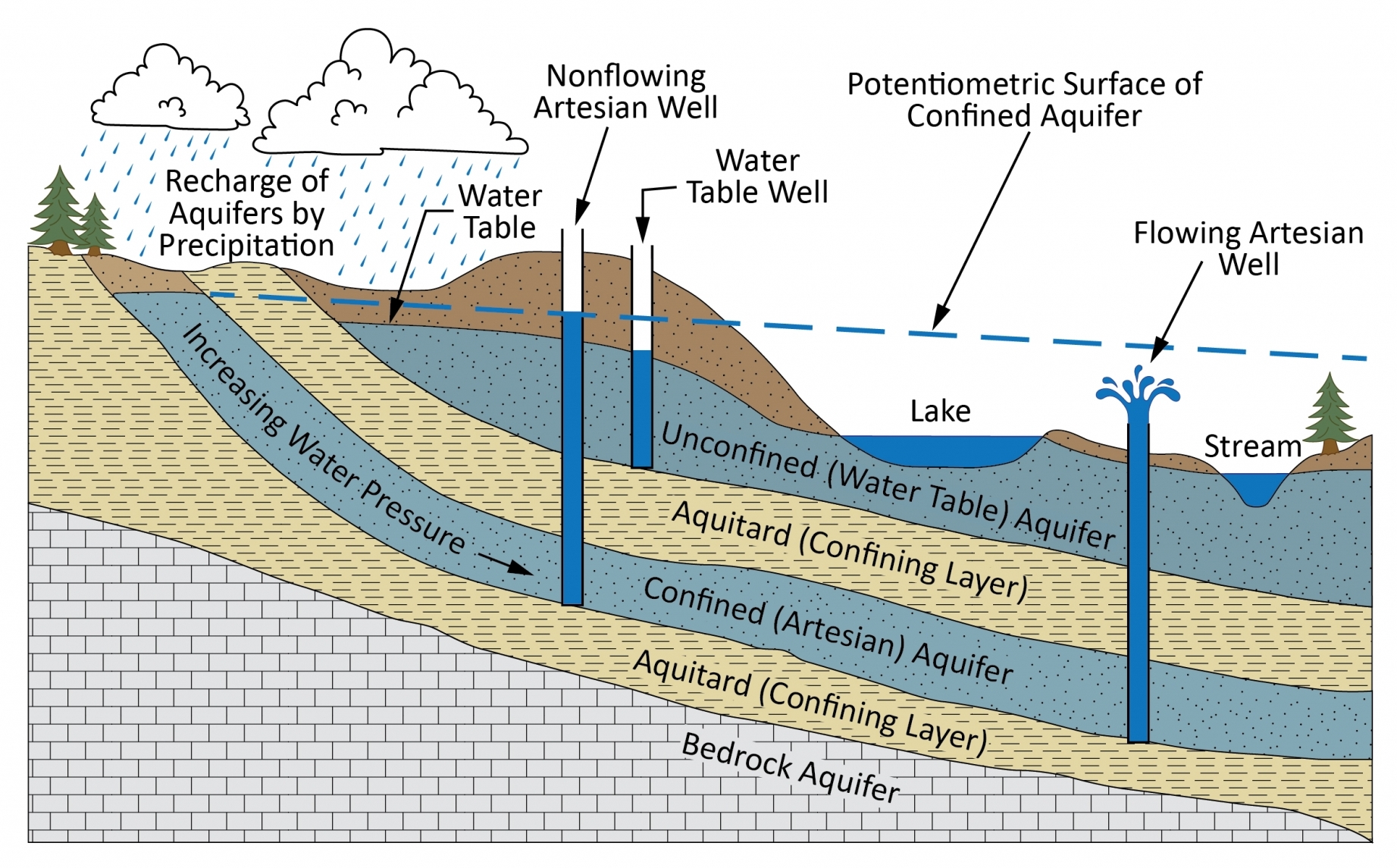 Unveiling The Hidden Waters: Understanding Maps Of Aquifers - Map of
And then, of course, we drill wells to pull that ancient, filtered water up for our coffee, showers, and lemonade stands. You’re literally drinking a piece of history from a rainstorm that happened before you were born. How cool is that?
The Recharge Riddle
But here’s the honest truth: we take it out of these aquifers way faster than nature can put it back in. That slow, gentle rain we talked about? It needs time to fill the tank again.
This is why protecting the places where water recharges—like forests, wetlands, and grassy parks—is so vital. When we pave over the ground, we’re putting a raincoat on the Earth and blocking the water’s front door.
So next time you see a puddle slowly shrinking on a lawn, give it a little nod. It’s not vanishing—it’s going on a journey. It’s joining an epic, silent, underground ocean that keeps our whole world ticking.
And that’s the real takeaway here. The water that quenches your thirst has been on a wild, slow-motion adventure through dark, ancient spaces. It’s a reminder that just beneath our feet, a whole world is quietly, patiently, and brilliantly working for us. So go ahead—pour a glass of water, toast to the raindrops, and feel just a little bit more connected to the incredible planet we call home. Now go explore what’s hiding in your local park!
