What Is The Ph Of Drinking Water

You’ve seen the bottles: sleek labels boasting “alkaline,” “pH 8.8,” and “ionized.” It feels less like shopping for water and more like auditioning for a science fair. But bef...

You’ve seen the bottles: sleek labels boasting “alkaline,” “pH 8.8,” and “ionized.” It feels less like shopping for water and more like auditioning for a science fair. But before you swap your tap water for a bottle that costs more than your morning latte, let’s demystify the hype. The pH of your drinking water is a simple measure—but its role in your body is anything but simple.
The Short & Sweet Chemistry Lesson
pH stands for “potential of hydrogen.” It’s a scale from 0 to 14 that tells you how acidic or alkaline a liquid is. Pure water sits perfectly in the middle at pH 7—neutral. Anything below 7 is acidic (think lemon juice at pH 2), and anything above 7 is alkaline (like baking soda at pH 9).
Your tap water usually falls between 6.5 and 8.5, which is perfectly safe. So why the obsession with shifting it higher? Marketing, mostly. The idea is that alkaline water can “neutralize” acid in your body, but your lungs and kidneys already handle that job like the overachievers they are.
Must Read
The Celebrity Water Myth
Remember when everyone was chugging “pH 9+ water” and claiming it cured hangovers? Science isn’t quite there yet. While a 2012 study suggested alkaline water might help with acid reflux, the evidence is thin. Your stomach is a sac of hydrochloric acid (pH 1.5 to 3.5). Swigging alkaline water is like throwing a pebble into an ocean—it barely registers.
Fun fact: The human body maintains a blood pH of about 7.35 to 7.45. If that number shifts by even a tiny fraction, you’re in the hospital. So no, drinking alkaline water won’t “alkalize” your blood—your body is far too stubborn for that.
What About Acidic Water?
On the flip side, acidic water (below pH 6.5) can be a problem. If your tap water tastes metallic or stains your sinks blue-green, it might be acidic enough to leach copper or lead from pipes. That’s a health risk, not a lifestyle trend. Most municipal water is regulated, but if you’re on a well, test your water annually. Your pipes—and your kidneys—will thank you.
The sweet spot? Most experts agree: Any water between pH 6.5 and 8.5 is fine. The real priority is staying hydrated, not chasing a number on a bottle label.
 What Is Alkaline Antioxidant Water
Cultural Quirks & Global Sips
Around the world, people have strong opinions about water. In Japan, “ionized alkaline water” machines are a common kitchen appliance, often used for cooking rice or brewing tea. In Europe, many people prefer still water with a more neutral pH, and carbonated water is seen as a treat, not a health hack. In Mexico, agua de jamaica (hibiscus tea) is naturally acidic and incredibly refreshing—no one worries about its pH.
Fun little fact: The pH of rainwater is about 5.6—slightly acidic because it mixes with carbon dioxide in the atmosphere. That’s not pollution; it’s just chemistry. So when you water your plants with rain, you’re giving them a touch of acidity that many plants actually love.
Practical Tips for the Water Curious
Don’t overthink it. If you love the taste of a high-pH bottled water, drink it—but know you’re paying for marketing, not medical benefits. A simple squeeze of lemon into your glass actually makes water more acidic, but once metabolized, it has an alkalizing effect. Confusing, right? That’s why your body is smarter than any bottle.
If you want to test your home water, a digital pH meter costs about $15 online. Test it once for curiosity, then move on with your life. The real game-changer? Filters that remove chlorine, lead, and other contaminants. That’s a bigger health win than chasing a pH of 9.
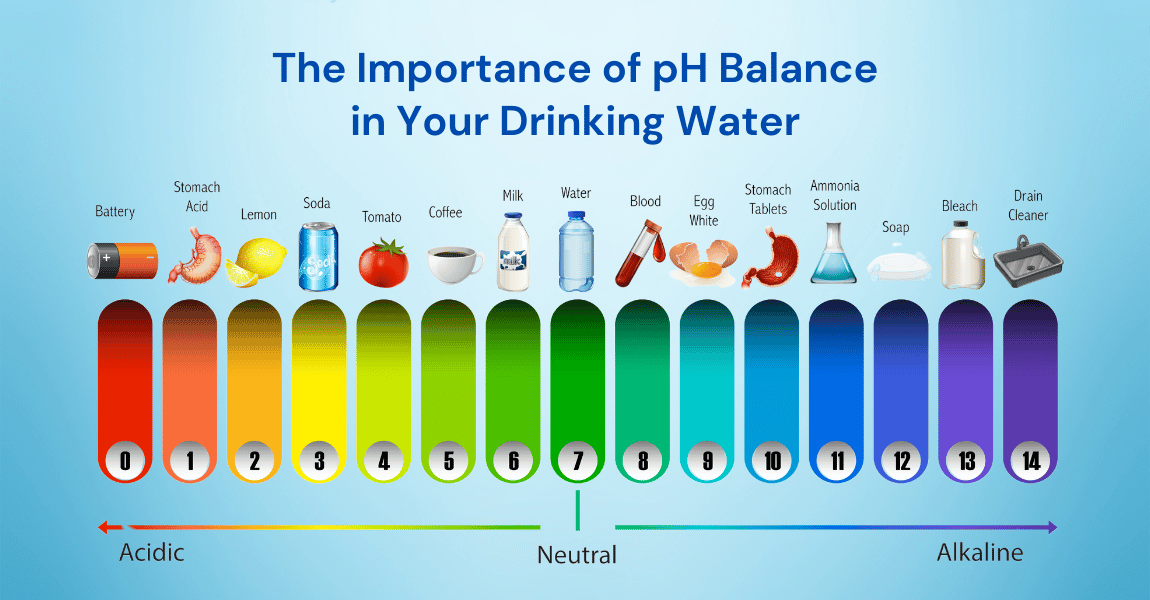 Discover the Importance of pH Balance in Drinking Water for Health
A Quick Reality Check
Here’s the fun part: Your saliva pH fluctuates throughout the day based on what you eat and drink. But your urine pH can vary wildly from 4.5 to 8.0—depending on your diet and how much you’ve hydrated. That’s why testing urine pH as a health indicator is about as reliable as reading tea leaves.
Bottom line: Drink water that tastes good to you. If it’s clean, safe, and keeps you from feeling like a dried-up sponge, you’re winning.
Connect It to Your Daily Life
This week, notice how you feel after drinking a glass of regular tap water versus a fancy alkaline bottle. I bet you’ll feel the same—hydrated. The ritual of choosing a bottle might make you feel healthier, and that placebo effect has real power. Just don’t let it drain your wallet.
The most important pH in your life isn’t in your water. It’s the balance between stress and ease, between overthinking and just taking a sip. So fill your glass from the tap, add a slice of cucumber or a sprig of mint, and enjoy the simple act of drinking. Your body knows what to do with it—whether it’s pH 7 or pH 9.
And honestly? That’s water you can live by.
