How To Clean Water Softener Tank

So, you’ve got a water softener tank, and it’s been working hard for you, turning that “hard” water into something your hair and dishes actually like. But after a while, that...

So, you’ve got a water softener tank, and it’s been working hard for you, turning that “hard” water into something your hair and dishes actually like. But after a while, that tank can get a little… grungy. Think of it as the unsung hero of your plumbing, taking one for the team by collecting all that calcium and magnesium gunk so you don’t have to drink it. Today, we’re going to give that hero a spa day—and yes, I promise it’ll be fun (or at least not boring).
First, What on Earth Are We Cleaning?
Before we dive in—pun completely intended—let’s talk about what you’re cleaning. Your water softener tank is the big resin-filled cylinder that actually does the softening magic. It doesn’t hold the salt brine (that’s a separate little tank). The tank itself can get slimy, smelly, or crusty over time, especially if you’ve got iron or manganese in your water. Gross, but fixable! And no, you won’t need a hazmat suit—just a few simple tools and a sense of adventure.
Why should you bother? Because a clean tank means your softener lasts longer, your water tastes better, and your pipes don’t throw a tantrum. Plus, it’s a great excuse to put on rubber gloves and feel like a mad scientist for an hour. Ready? Let’s do this.
Must Read
What You’ll Need (Grab Your Googly Eyes, Maybe)
Gather your supplies like you’re preparing for a tiny, plumbing-themed party. You’ll need: a bucket (big enough to hold a few gallons), an old toothbrush or soft scrub brush, white vinegar (the unsung hero of cleaning), and some resin cleaner (you can find it online or at the hardware store). Oh, and a garden hose if you want to save your back from lifting heavy water. Also, a towel—you will splash yourself; it’s a rite of passage.
Pro tip: Wear old clothes you don’t love. Water softener gunk has a way of finding your favorite jeans. You’ve been warned. If you have a bypass valve, crank it to “bypass” so you don’t accidentally flood your house while you’re elbow-deep in tank guts. That’s the kind of surprise nobody wants.
Step 1: Drain the Beast
First, unplug your softener from the power source. We want to clean it, not give it a jolt. Then, find the drain line (that little hose that usually drips into a floor drain) and let the water from the tank drain into your bucket or hose. It might take a few minutes—use that time to sing a song or practice your stand-up routine. The water will be brownish or cloudy; that’s normal, just concentrated “hard water sadness.”
Once the tank is empty (or mostly empty), you can disconnect it from the plumbing head. This is the scary part for some people, but don’t panic. Just unscrew the inlet and outlet connections (they’re usually plastic nuts) and lift the tank off the head. It’s like separating two very wet friends at a party. Proceed gently, and don’t force anything—plastic breaks if you’re mean to it.
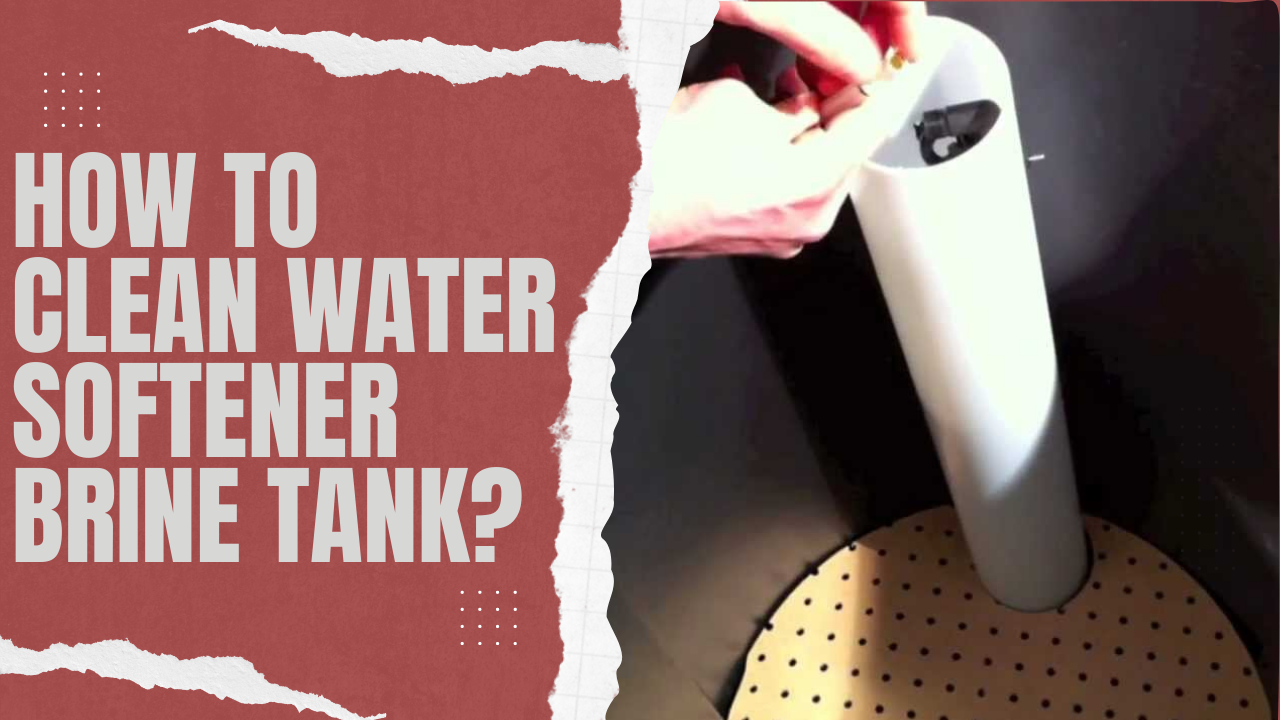 How To Clean Water Softener Brine Tank? (Saftey & Instructions
Step 2: The Resin Shake-Up
Now you’ve got the tank in your hands, full of little resin beads that look like orange or yellow sand. Those beads are the real champions—they trap the hardness ions. But over time, they can get coated in iron slime or mineral crust. Time to give them a bath. Pour about a cup of white vinegar into the tank (through the top opening), then add warm water until the tank is about half full. Put the tank lid back on loosely and shake it like a polaroid picture for a minute or two.
This acidic vinegar soak loosens up all that calcium and iron gunk. Let it sit for 10-15 minutes while you admire your handiwork. If you have serious iron stains, use a resin cleaner instead of vinegar—just follow the label instructions. Warning: Your tank might burp out a few bubbles. It’s cute, not scary. After the soak, dump the nasty liquid into a bucket (or down the drain) and rinse the resin beads with fresh water a couple of times.
Step 3: Scrub-a-Dub-Dub
Take that old toothbrush and gently scrub the inside walls of the tank—the areas the vinegar may have missed. You’ll see a film of ugliness coming off, which is oddly satisfying. If you’re feeling extra fancy, scrub the tank lid and the O-ring (the rubber seal) with a little vinegar and water. A clean O-ring means zero leaks later, and leaking is the enemy of a happy basement.
Rinse everything thoroughly with fresh water until no suds or vinegar smell remains. This rinse is key—you don’t want your water tasting like a salad dressing. Use your garden hose or a gentle stream from the sink to flush out all the loose junk. When the water runs clear, you’ve won the battle.
 How to Clean Your Water Softener: A Simple Weekend DIY Guide
Step 4: Reassemble Like a Boss
Now, put everything back together. Reconnect the tank to the plumbing head, making sure the O-ring is seated correctly and the nuts are snug but not Hulk-tight. Hand-tighten is perfect—plastic threads are fragile and they don’t forgive torque. Turn the bypass valve back to “normal service,” plug the unit back in, and let it go through a regeneration cycle (check your manual; it’s usually a button press).
During that regen cycle, do a happy dance. Your tank is now as clean as a whistle—a very expensive, water-softening whistle. Check for any drips around the connections. If you see a tiny leak, just tighten a little more. If it’s a gusher, you might have misaligned the O-ring. No shame—just restart and try again. We believe in you.
You Did It! And Here’s the Smile-Worthy Conclusion
Congratulations! You just cleaned your water softener tank, and your home’s water is now thanking you in tiny, mineral-free whispers. Your dishes will sparkle, your skin will feel like silk, and your pipes will stop whispering about you behind your back. And the best part? You saved yourself a call to a plumber, which means you now have enough money to buy a pizza (or two, if you’re feeling generous).
Remember, cleaning your water softener tank is like giving your plumbing a hug—a messy, vinegar-scented hug that leaves everything fresh and happy. So go ahead, pat yourself on the back. You’re a water softener whisperer, a calcium crusher, a slime-slaying legend. And the next time someone asks, “Hey, how do you keep your water so soft?” you can smirk and say, “I gave my tank a little TLC. Want me to show you?” Now go enjoy a glass of water that’s so clean, it practically sings. Cheers to you, you magnificent maintenance wizard.
