How To Get Hard Water Stains Off

You know that moment. You fill your pristine glass kettle, make a cup of tea, and glance inside to find what looks like the aftermath of a tiny, chalky snowstorm. Yes, we’re t...
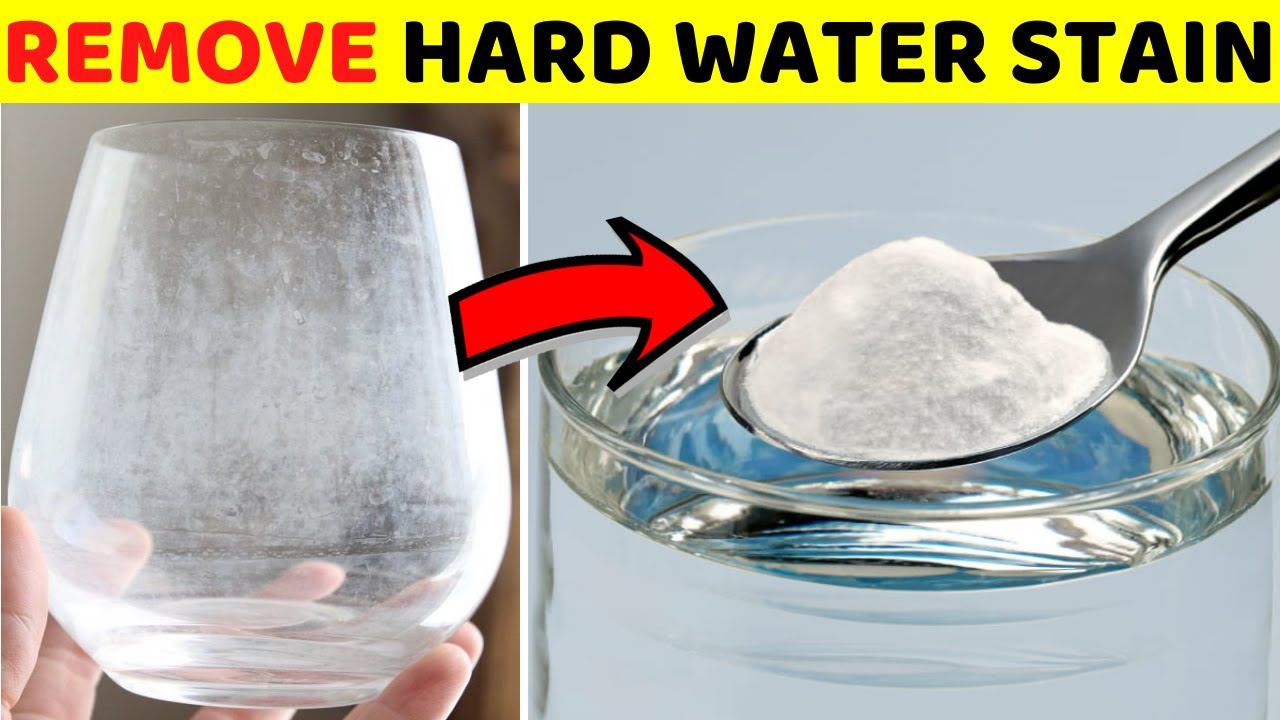
You know that moment. You fill your pristine glass kettle, make a cup of tea, and glance inside to find what looks like the aftermath of a tiny, chalky snowstorm. Yes, we’re talking about hard water stains. They’re the uninvited guests at every dinner party, clinging to your faucets and shower doors like stubborn barnacles on a yacht.
But before you reach for a bottle of something that smells like a chemistry lab explosion, take a deep breath. We’re going to handle this with a little style, a little science, and absolutely zero harsh drama. Think of it as a spa treatment for your taps, not a workout.
The Culprit: A Mineral Romance
Hard water isn’t your enemy. It’s just water that’s been on a mineral-rich road trip, picking up calcium and magnesium along the way. When it dries, these minerals—like tiny, clingy tourists—leave their white, crusty calling cards.
Must Read
Interestingly, your ancestors knew this struggle well. In 19th-century London, people used vinegar and beer to polish brass; they were basically fighting the same battle, just with more ale. Today, our kitchens are cleaner, but the problem is timeless. It’s a universal truth: water that’s good for your bones is also great at ruining your tiling.
The All-Star Cleaner: White Vinegar
White vinegar is the Beyoncé of natural cleaners—versatile, powerful, and always reliable. Its secret weapon is acetic acid, which breaks down those stubborn mineral bonds like a gossip columnist at a high-society wedding.
Here’s the move: Fill a spray bottle with equal parts white vinegar and warm water. Spritz it generously on your stained glass shower door or faucet. Let it sit for five to ten minutes—long enough to stream a single TikTok dance tutorial, but not so long your cat starts judging you.
For really stubborn spots, like a ring inside a toilet bowl or a kettle’s limescale, heat is your friend. Boil a 1:1 vinegar-to-water solution in the kettle, let it cool, then rinse. It’s like a hot yoga class for your appliance—sweaty, effective, and oddly satisfying.
The Magic of Texture: Baking Soda’s Dance
Sometimes, a stain needs a little grit—metaphorically and literally. Enter baking soda. It’s the introverted best friend of vinegar: gentle, but with surprising abrasive strength. Make a paste of three parts baking soda to one part water; it should have the consistency of frosting.
 How to Remove Hard Water Buildup From Faucet | Easy Hard Water Stain
Apply it to a slightly damp sponge—not a rough scrub pad, which can scratch glass or chrome—and gently polish the stain in small circles. Think of it as a slow waltz, not a mosh pit. The baking soda particles physically break down the crust without damaging your shiny surfaces.
This duo—vinegar and baking soda—is the Pepé Le Pew and Penelope of cleaning romances. They fizz, they react, and they leave your home looking loved, not lab-tested. Just remember: don’t mix them in a closed bottle, unless you enjoy a vinegar-scented geyser in your kitchen.
When Life Gives You Lemons (and Limescale)
Let’s talk about the trinity of natural acids: lemon juice. It’s like vinegar’s trendier, more fragrant cousin who just returned from a trip to the Amalfi Coast. For small, delicate stains on brass fixtures or glass, cut a lemon in half, dip it in salt, and scrub directly. The acid does the heavy lifting; the salt provides the exfoliation.
Fun fact: The ancient Romans used lemon juice to preserve food and clean their marble statues. If it was good enough for a Roman senator’s toga-stained fountain, it’s good enough for your bathroom sink. Plus, your bathroom will smell like a summer cocktail, not a janitor’s closet.
For a truly deep clean on your shower head, try the bag trick. Fill a plastic sandwich bag with lemon juice or vinegar, tie it around the shower head so the nozzle is submerged, and leave it overnight. Wake up, remove the bag, and run the water—watch that crust dissolve like a bad memory.
The Tools: Soft is the New Strong
Here’s where most people go wrong: they use a steel wool pad and think they’re winning. Stop. Chrome, glass, and enamel are delicate flowers. You want a microfiber cloth or a soft sponge. Think of it as petting a nervous cat—gentle motions get you further than aggressive scrubbing.
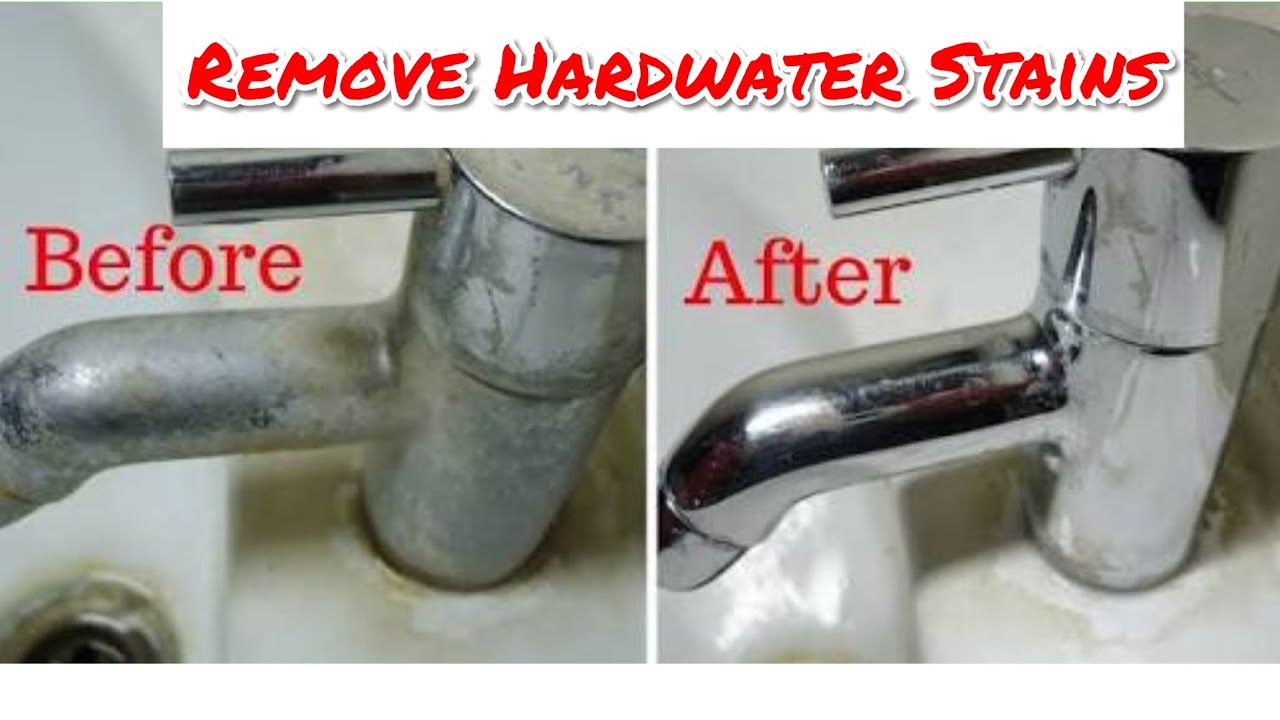 How To Get Hard Water Stains Off Crystal at Melissa Morris blog
For those hard-to-reach crevices around your faucet, an old toothbrush is your best friend. Dip it in your vinegar solution and get in there like a dental hygienist on a mission. It’s oddly therapeutic, like adult coloring, but with more mineral satisfaction.
And if you’re feeling fancy, invest in a squeegee. After every shower, a quick swipe across your glass door prevents new stains from forming. It’s the same energy as putting your phone on ‘Do Not Disturb’ before bedtime—a small habit that prevents a bigger mess later.
A Cultural Detour: The Limescale Museum
Did you know there’s an unofficial “limescale museum” in the UK? It’s a small collection of mineral deposits from household kettles that look like cave formations. Think of your own hard water stains not as a problem, but as a tiny, temporary sculpture. A piece of minimalist art.
Of course, you don’t want that art in your tea cup. So embrace the mindset of the Japanese kintsugi philosophy—repairing broken pottery with gold lacquer. Here, you’re not hiding the imperfection; you’re restoring the shine with a touch of elegance. Every clean faucet is a small, shiny victory.
The Final Glimpse
So there you are, standing in a sparkling bathroom. The water runs clear over a gleaming surface, and the morning light catches the chrome. It’s a tiny moment of domestic triumph, like finding a perfectly ripe avocado at the store.
Hard water stains are a reminder that beauty requires a little maintenance, but it doesn’t have to be a chore. With vinegar, patience, and a good playlist, you can transform a nuisance into a ritual. And isn’t that what modern life is about? A little effort, a lot of clarity, and a deep appreciation for the things that make your home—and your tea—feel just right.
