How To Use The Zero Water Tester

So there I was, staring at a glass of water that looked perfectly clear. Crystal clear. The kind of water that belongs in a fancy spa commercial. I took a sip, felt fancy, and...

So there I was, staring at a glass of water that looked perfectly clear. Crystal clear. The kind of water that belongs in a fancy spa commercial. I took a sip, felt fancy, and then my friend casually said, “You know that’s basically tap with a fancy filter, right?” My ego? Deflated. My curiosity? Piqued. That’s when I met the Zero Water Tester—and it turned my water game upside down.
You see, that little handheld gadget is less of a tester and more of a truth-teller. It’s the nosy neighbor of your kitchen, revealing the dirty secrets hiding in your H2O. If you’ve ever wondered why your tea tastes weird or why your ice cubes look cloudy, this thing is your new best friend. And I’m here to walk you through it—like a slightly sarcastic, overly-caffeinated friend who’s already made all the mistakes.
The Big Reveal: What Is This Thing?
First off, forget everything you think you know about water testers. The Zero Water Tester (technically a TDS meter) doesn’t care about taste or color. It measures Total Dissolved Solids—the invisible junk floating in your water: minerals, salts, nitrates, and sometimes stuff you don’t want to name. Think of it as a lie detector for your tap.
Must Read
When you dunk it in water, it zaps a tiny electrical current between two prongs. The more dissolved solids, the higher the number. Simple, right? But here’s the twist: a high number doesn’t mean your water is dangerous. It just means it’s busy. (Side note: if the number is over 900, maybe don’t water your prize-winning orchids with it. They’re divas.)
Step 1: Open The Package Without Panic
Your tester arrives in a blister pack that feels designed by someone who hates joy. Breathe. Use scissors. Do not try to bite it open—I’ve seen the aftermath, and it’s not pretty. Inside you get the tester and a little instruction sheet that you’ll probably lose within the hour.
Pro tip: remove the protective cap from the tip. Yes, it’s obvious, but I once spent five minutes pressing buttons and wondering why it showed “000.” Don’t be me. Be smarter. (You’re welcome.)
Step 2: The First Dip—Your “Before” Photo
Fill a glass with tap water. Press the ON button (it’s the only button, don’t overthink it). Dip the tip about an inch into the water, hold it steady, and watch the magic happen. The numbers will climb like a nervous stock market. Write that number down. This is your “before” photo—and trust me, you’ll want to brag about the “after.”
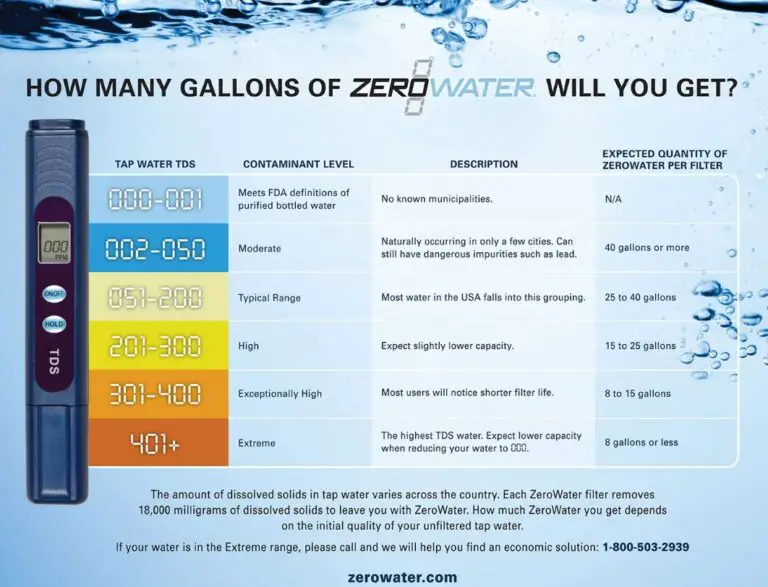
My tap water read 312. I almost fainted. My ice cubes? Basically math rocks. But here’s the thing: don’t panic. Most tap water in the U.S. falls between 100 and 400. Above 500? You might want to consider a filter. Above 900? Call a priest. Just kidding. Call a plumber.
 How To Use Zero Water Tds at Oscar Godson blog
Now, The Fun Part: Testing Your Filtered Water
If you own a Zero Water pitcher (or any filter, really), this is where the tester earns its keep. Fill a fresh glass with filtered water, dip the tester, and watch the number plummet. My filtered water dropped to 003. Three. That’s basically the water equivalent of a monk’s vow of silence. I felt like a scientist who just discovered a new element named “Boring Purity.”
And no, it’s not a gimmick. The lower the number, the less stuff floating around. That means your coffee will taste cleaner, your kettle won’t build up crust, and your skin might even throw a tiny party when you wash your face. (Okay, that last part is not proven, but I believe it.)
When To Test Again: Don’t Be That Person
Here’s where people get lazy. They test once, get a great number, and assume life is good forever. Newsflash: your filter does expire. The Zero Water pitcher has a little sticker on the side? That’s not decoration. When your filtered water starts reading above 006, it’s time to change the filter. Ignore that, and you’re basically drinking expensive tap.
So test weekly. Make it a ritual. Light a candle if you’re extra. (I don’t, but I won’t judge if you do.) Just dip, read, and replace as needed. Your taste buds will send you a thank-you note.
The Ironic Twist You Didn’t Ask For
You’d think the Zero Water Tester would make you paranoid about every drop you drink. But honestly? It does the opposite. Once you know your numbers, you stop worrying. The mystery is gone. You become the smug friend who shows up at parties with a bottle of “003” and watches everyone’s eyebrows rise.
 How Does The ZeroWater TDS Meter Work? - Water Purification Guide
Just don’t test bottled water from corner stores. I tested a “spring water” brand once and it read 215. That’s not spring water, my friend—that’s a lawsuit waiting to happen. Or at least a very angry hydrologist.
The Unofficial Rules
Here are the rules they don’t tell you: Don’t store the tester near the stove. Heat messes with the sensor. Also, don’t drop it in the sink while distracted by a cat video. (Been there. The tester survived. The cat was unimpressed.) Always rinse the tip with distilled water after use, and never submerge it past the max line—it’s not a submarine.
Oh, and if the batteries die? It comes with a tiny screwdriver. You’ll lose it in a week. Buy a backup. Or just use a butter knife like a normal person. I won’t tell.
Final Sip: Your Water, Your Story
The Zero Water Tester is not a toy, but it’s not a medical device either. It’s a tool for the curious—for the person who wants to know what’s really happening in their cup. It’s a conversation starter, a party trick, and a humble reminder that even something as simple as water has layers.
So go ahead. Test your tap. Test your fridge water. Test that fancy bottle you bought at the gas station. You might be shocked, you might be relieved, or you might laugh. Either way, you’ll never look at a glass of water the same way again. Now go hydrate with power. You’ve earned it.
